Explore every significant MLB trade deadline deal with in-depth grades and analyses for each major move made this season.
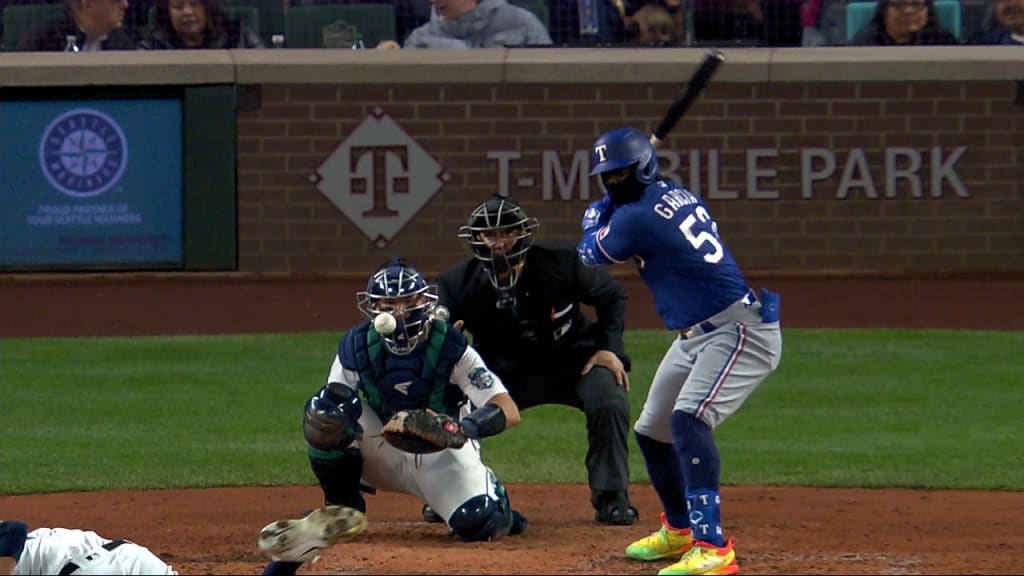
Explore every significant MLB trade deadline deal with in-depth grades and analyses for each major move made this season.
As the MLB trade deadline approaches at 6 p.m. ET on Monday, numerous major deals have been completed. Below is a comprehensive list of prominent trades along with grades assessing the outcome of each transaction.
On August 3, the New York Yankees made headlines by acquiring Heliot Ramos from the San Francisco Giants. This deal, however, came at a steep cost. Noting the pressure on general manager Brian Cashman and manager Aaron Boone, who face intense scrutiny despite past successes, the move raises questions about the depth of the price paid. Ramos, not set to become a free agent until 2030, adds complexity to an already intriguing narrative.
In a different vein, the Milwaukee Brewers enhanced their postseason hopes by acquiring Dustin May and JoJo Romero. Though this trade may not have the same buzz as the notable Baltimore-Boston deal involving Adley Rutschman, it is seen as a significant win for St. Louis, which gained valuable prospects rising in the rankings.
The Houston Astros also improved their roster with the addition of Daulton Varsho, while the Toronto Blue Jays received a reliable starter in return. Varsho’s acquisition comes with its own set of expectations, especially given Arrighetti’s mixed performance in previous seasons.
Meanwhile, the Pittsburgh Pirates strengthened their bullpen by getting Luke Weaver from the New York Mets, though not without some consequence. David Stearns, the Pirates’ general manager, faces the daunting challenge of reshaping a struggling franchise amidst their current challenges.
In a high-stakes trade, the Boston Red Sox and the Baltimore Orioles both emerged as winners in the bold swap involving Adley Rutschman. While long-term risks accompany this swap owing to the star potential shifting to Baltimore, it nevertheless marks a decisive move for a Red Sox team that appears to finally commit to a strong strategy.
The trade of Jo Adell signifies a disappointing end for the Los Angeles Angels. Known for certain flaws in both his offensive and defensive abilities, Adell did not attract the valuation that the industry might typically assign to a player with his background.
On August 3, the Tampa Bay Rays traded prospects to the Miami Marlins to secure Liam Hicks, who has shown limitations against left-handed pitching in his career. The deal reflects the teams’ broader strategies in this period.
Additionally, the San Francisco Giants came away well with a solid prospect return in a deal for Robbie Ray, while the Toronto Blue Jays obtained a potential ace in José Soriano, sending a promising prospect to the Angels.
During the same eventful day, the Philadelphia Phillies accomplished what they needed with the acquisition of Luis Arraez, aimed at fortifying their roster as they work towards a win-now approach. Brooks Raley was also acquired to enhance the Phillies’ bullpen depth.
Earlier deals became fodder for discussion as well. The Chicago Cubs managed to secure a package for Kevin Gausman, while the Atlanta Braves made a calculated move to acquire Tyler Mahle.
The increasing activity on July 31 saw the Minnesota Twins elevate their pitching staff with A.J. Minter as the Mets embarked on a selling strategy. The Rangers made an intelligent move, acquiring Logan O’Hoppe and Chase Silseth at a minimal cost, indicating a shift in their roster strategy.
In a notable swing, the Boston Red Sox took a chance on Curtis Mead, betting on his promising season despite previous injuries hampering his play.
This trade period continues to demonstrate the kinetic nature of MLB rosters, setting the stage for both immediate impacts and long-term ramifications for the franchises involved.
Keep in touch with our news & offers
Subscribe to Our Newsletter
Thank you for subscribing to the newsletter.
Oops. Something went wrong. Please try again later.