Iran’s new security chief threatens retaliation against neighbors collaborating with the US in economic sanctions aimed at Iran’s economy.
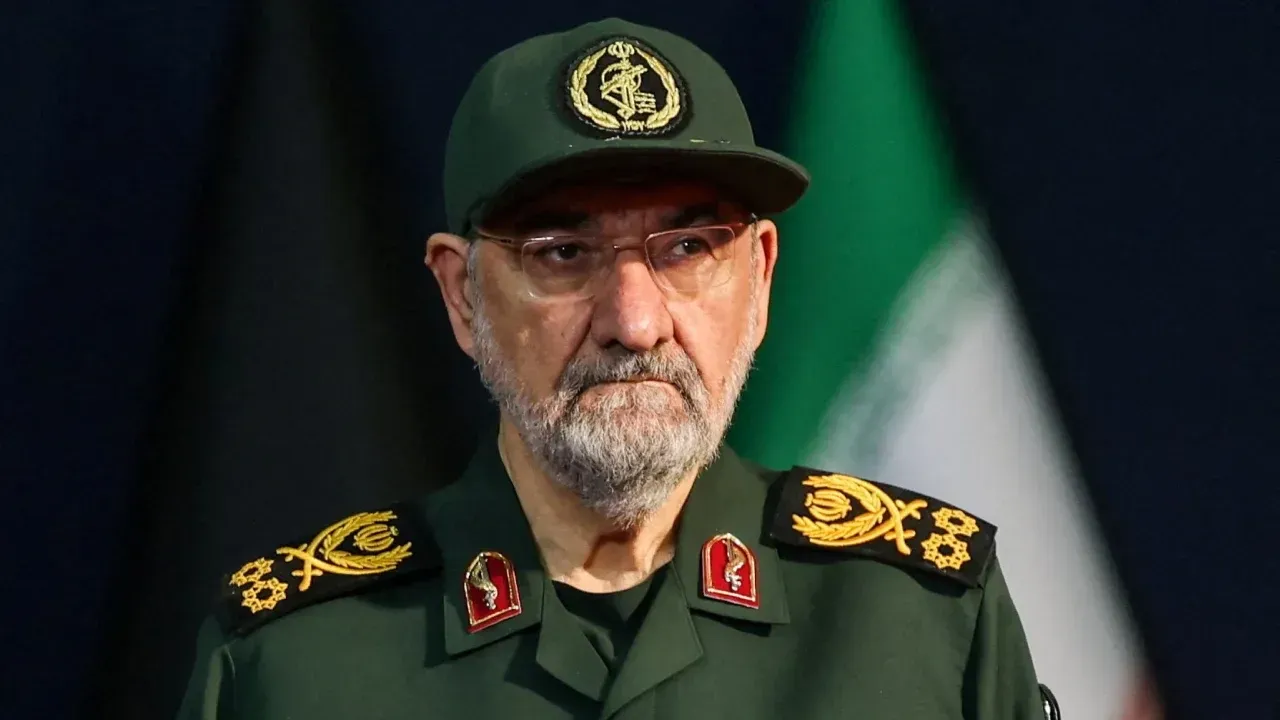
Iran’s new security chief threatens retaliation against neighbors collaborating with the US in economic sanctions aimed at Iran’s economy.
In a decisive statement following his recent appointment, Iran’s supreme national security council head, Mohsen Rezaei, has made it clear that the country will consider any neighboring nations that join the United States in its economic efforts against Iran as enemies. This warning comes amidst rising tensions with the US, especially after President Trump’s announcement of a new initiative aimed at crippling Iran’s economy.
In a televised interview, Rezaei emphasized that Iran would take action against oil-shipping routes from the Gulf if neighboring countries sided with the US in this so-called economic war. He asserted, “Those neighbors will be considered an enemy, and we will target their interests.” The statement marks a significant escalation in rhetoric amid ongoing American sanctions designed to isolate Iran economically.
Trump described these sanctions as the “most crushing economic operation ever taken against any country,” with the US Treasury Secretary Scott Bessent expected to announce even more stringent measures very soon. Despite this pressure, Iran’s foreign minister Abbas Araghchi has rejected the notion of new sanctions, referring to them as a desperate tactic by the US.
Araghchi pointedly remarked, “We have never been afraid. All of their actions… have failed, and this new issue of theirs will fail as well.” His comments reflect a fierce determination from Iran’s leaders to withstand external pressures while acknowledging the many challenges facing their economy.
In a separate statement, President Masoud Pezeshkian shared the harsh realities faced by the Iranian populace, declaring the country is in a state of “full-scale economic, military, and security war” against the US. While he highlighted ongoing struggles with inflation and unemployment, Pezeshkian reaffirmed the government’s commitment to improving the situation for citizens.
The Iranian government has experienced significant unrest over the years, often ignited by economic hardships, including surging inflation. Previous protests have led to violent crackdowns, with officials claiming international actors, particularly the US and Israel, were behind the turmoil.
Against this backdrop, Rezaei stated that Iran has yet to retaliate against American economic interests but warned, “If they want to impose economic sanctions on us, the United States has oil and economic companies around Iran, and we will strike them.”
Meanwhile, international dynamics are shifting, as evidenced by developments in the Gulf region. The United Arab Emirates recently announced it would halt all trade with Iran until further notice, heightening the economic isolation imposed by the US.
China, a strategic partner for Iran, has also criticized the American sanctions, highlighting that such measures will not resolve conflicts in the Middle East. The call for greater cooperation in securing energy logistics was underscored during discussions between French and Saudi leaderships, with proposals aimed at expanding trade routes and alternative shipping plans to mitigate dependency on the Strait of Hormuz.
As tensions continue to escalate, the global community watches closely, particularly in relation to Gulf shipping routes that are critical for oil supplies. Iran’s military as well as diplomatic strategies will be further scrutinized in the coming days as it responds to the ongoing challenges facing its economy and regional influence.
Keep in touch with our news & offers
Subscribe to Our Newsletter
Thank you for subscribing to the newsletter.
Oops. Something went wrong. Please try again later.