EU ambassadors discuss new sanctions against Russia amid growing discontent, aiming to finalize the 21st package following previous attempts.
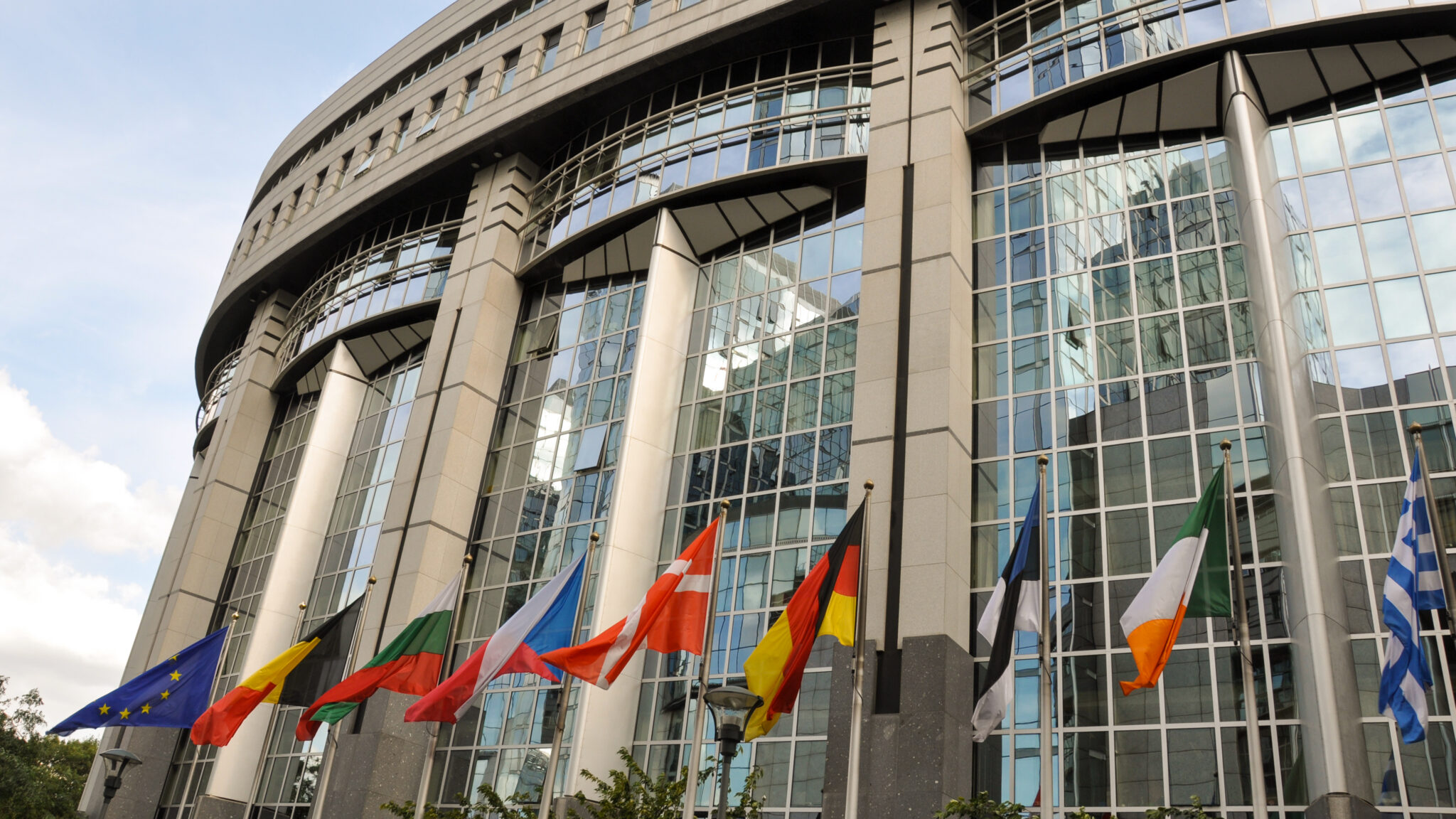
EU ambassadors discuss new sanctions against Russia amid growing discontent, aiming to finalize the 21st package following previous attempts.
EU ambassadors gathered in Brussels to negotiate the 21st package of sanctions against Russia, amid rising tensions as previous attempts to finalize measures were unsuccessful. Critics within the bloc express concerns that the EU’s sanctions policy may be nearing its limits, with some member states resisting certain proposed measures.
Meanwhile, the situation in Ukraine remains critical. The new commander in chief of Ukraine’s armed forces, Mykhailo Drapatyi, has been charged with enhancing counteroffensive operations. He stated on Facebook, “The president of Ukraine has set clear objectives for us: to continue and intensify offensive operations in all domains, to plan new operations behind enemy lines, to develop our military and its technologies, and to build up the capabilities of the Armed Forces of Ukraine.” This directive comes as Ukraine’s military seeks to shift momentum in the ongoing war.
In another significant development, Ukrainian President Volodymyr Zelenskyy is preparing to welcome US officials for discussions centered on enhancing the nation’s air defense capabilities. He emphasized the importance of more supplies of Patriot missile systems and stated that achieving a robust air defense is crucial, particularly given the ongoing, relentless assaults from Russia.
Earlier, Zelenskyy praised recent Ukrainian military actions targeting Russian logistics hubs, signaling a shift in offensive strategy. He remarked, “We are bringing the war back home, to Russia,” reflecting an aggressive stance toward recapturing lost ground.
Negotiations in Brussels are expected to continue as EU officials seek a consensus on the sanctions package before the next scheduled talks later in the day. On the sideline of these discussions, Hungary’s former prime minister Viktor Orbán voiced his frustrations concerning recent government actions against his Fidesz party, indicating internal EU discord that may complicate the sanction approval process.
As diplomatic efforts unfold, the EU remains focused on intensifying actions against Russia, aiming to apply pressure on President Putin’s regime through economic measures while navigating the complexities of member state consensus. The outcome of these discussions is critical not only for the geopolitical landscape but also for the ongoing conflict in Ukraine, as sanctions play a key role in the broader strategy to counter Russian aggression.
Keep in touch with our news & offers
Subscribe to Our Newsletter
Thank you for subscribing to the newsletter.
Oops. Something went wrong. Please try again later.