US military newspaper editor Erik Slavin warns of rising censorship after being fired, highlighting concerns over press freedom in military reporting.
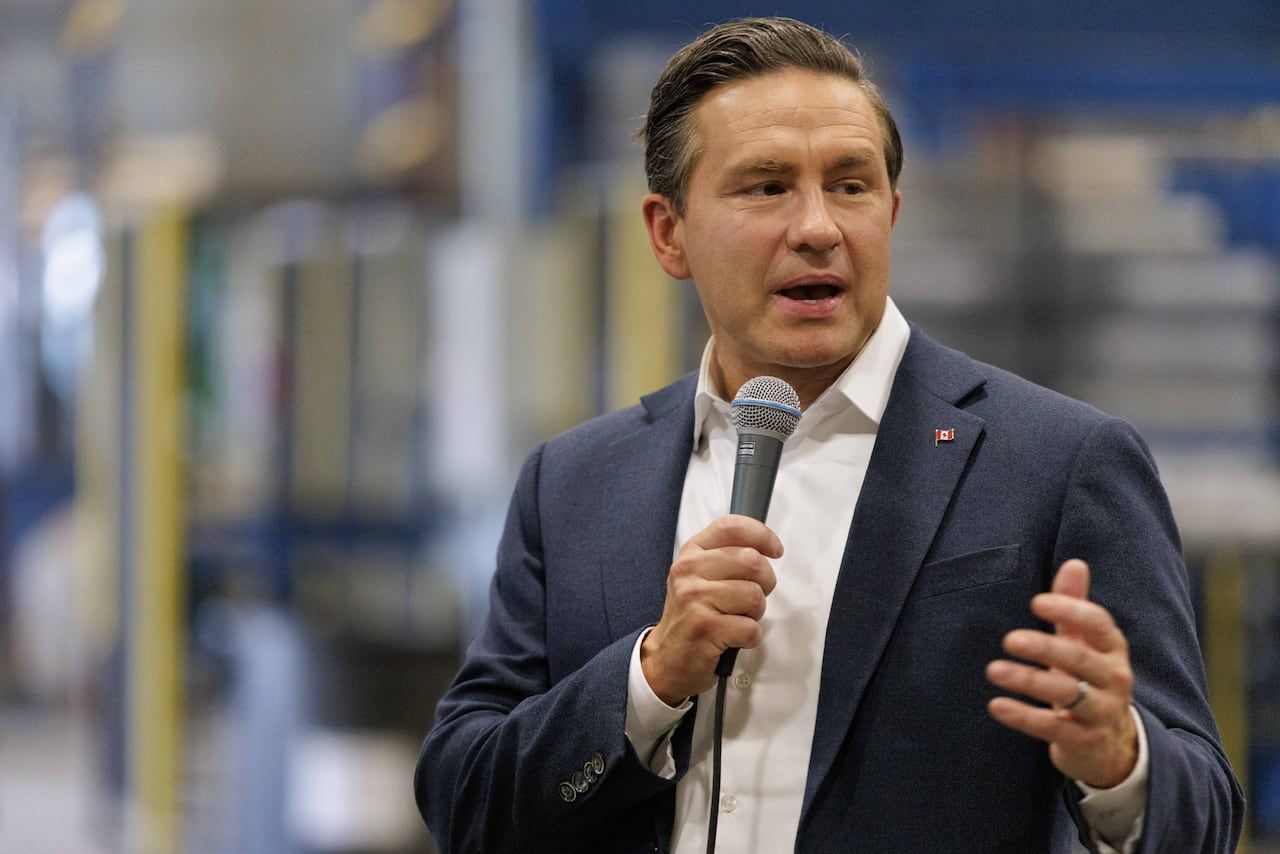
US military newspaper editor Erik Slavin warns of rising censorship after being fired, highlighting concerns over press freedom in military reporting.
The editor-in-chief of the US military newspaper Stars and Stripes, Erik Slavin, has voiced his concerns about increasing censorship following his dismissal by the Department of Defense (DoD) for alleged insubordination. Slavin, who had worked for the publication for 21 years, stated, “This is a time when we really need to hear what’s happening,” emphasizing the need for transparency during a period of significant military engagements.
Slavin’s firing appears to be linked to his comments in a recent interview, where he expressed that “in a hypothetical situation, censorship would be a red line.” Alongside Slavin, a reporter and the paper’s publisher, Max Lederer, were also dismissed, marking a troubling shift for a publication that has traditionally operated with editorial independence due to congressional mandates.
Despite partial funding from the Pentagon, Stars and Stripes has maintained a degree of autonomy that allows for critical reporting. Lara Korte, the paper’s Middle East reporter, confirmed her own dismissal in light of similar insubordination claims related to their CBS interview. The Pentagon has refrained from commenting on the issue directly, but the circumstances surrounding these firings reflect growing tensions between military officials and the media.
Slavin speculated that his dismissal could be connected to the paper’s previous reporting on the USS Abraham Lincoln, a warship currently deployed in response to ongoing tensions in the Gulf region regarding the US-Israeli conflict with Iran. The vessel has achieved a historic milestone, being at sea for over 240 days without a break, raising concerns among families about the mental health of sailors aboard.
Adding to the climate of uncertainty, Slavin pointed out that the Pentagon has not held a press conference since May, a worrisome trend that highlights the administration’s reluctance to engage with the press on critical issues.
In a statement on social media, Korte lamented the impact of the dismissals, saying it is a loss for the soldiers who rely on a free and independent press to inform them of pressing matters. Mark Schoeff Jr, president of the National Press Club, condemned the firings as an alarming attempt by the Pentagon to control media narratives and called for immediate reversal of the decision.
Stars and Stripes boasts an impressive readership, with an average of 1.4 million people accessing its content daily, primarily through online channels. The publication also continues to print issues for service members stationed in areas where internet access may be unreliable, reinforcing its importance as a news source for the military community.
Earlier in October, numerous prominent news organizations rejected new Pentagon policies intended to limit journalistic access, emphasizing a commitment to independent reporting. The ongoing dispute illustrates broader issues of press freedom and government transparency, especially during times of crisis.
The dismissals have sparked concerns about the potential for censorship within military reporting, a critical issue as the nation navigates complex geopolitical conflicts.
Keep in touch with our news & offers
Subscribe to Our Newsletter
Thank you for subscribing to the newsletter.
Oops. Something went wrong. Please try again later.