Statistics Canada reports that Canadians cut US travel by 25.4% in 2025, favoring trips to Europe and Asia instead.
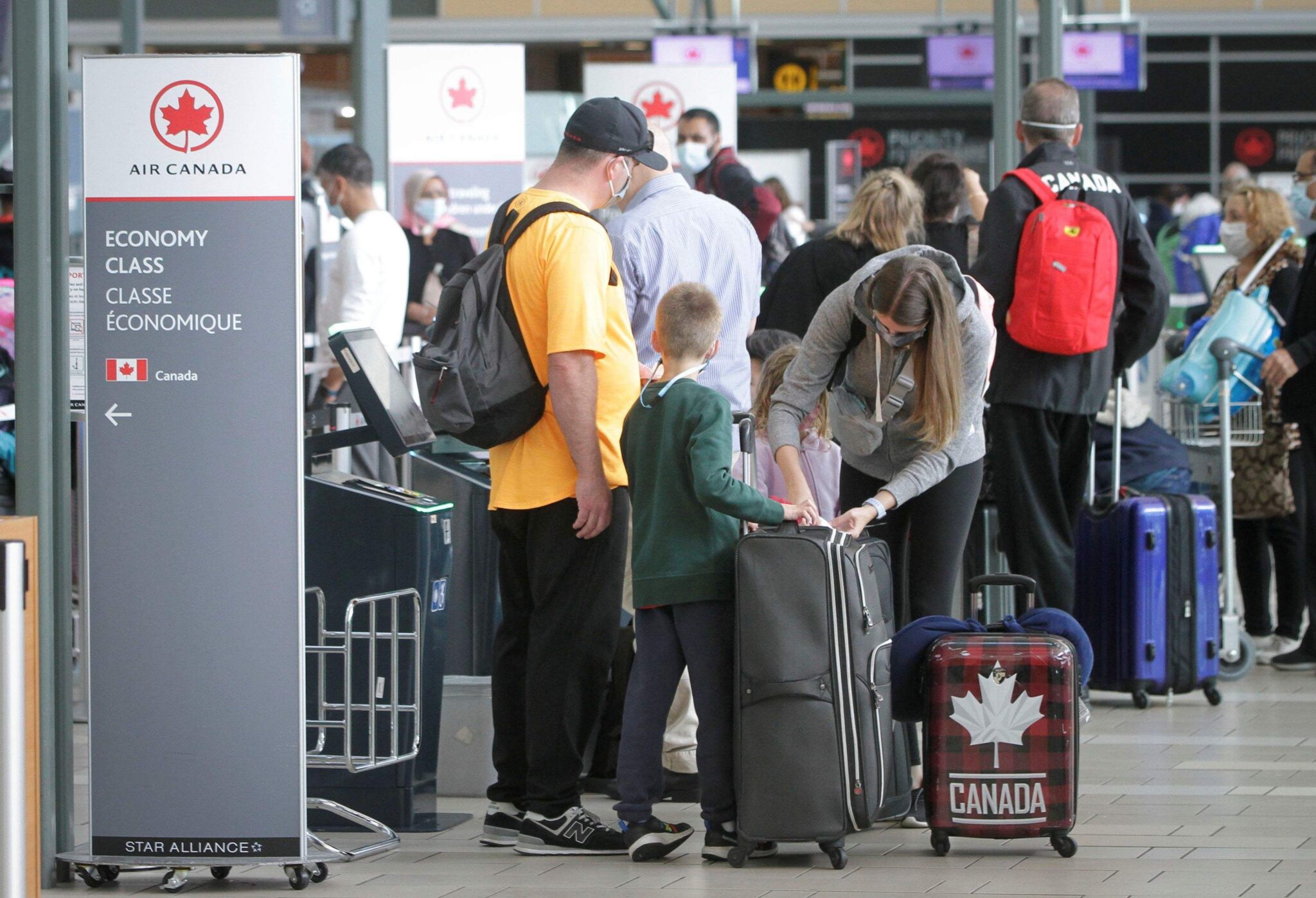
Statistics Canada reports that Canadians cut US travel by 25.4% in 2025, favoring trips to Europe and Asia instead.
Canadians are increasingly turning away from travel to the United States, with significant reductions reported in 2025. According to a recent release from Statistics Canada, Canadian residents took only 5.5 million trips to destinations in the US during the first three months of 2026, marking a 10.6% decline from the same period the previous year.
This decline is part of a larger trend initiated by a substantial pullback from US travel, which began last year. A report from Statistics Canada revealed that the number of Canadians returning from trips to the US fell by a staggering 25.4% in 2025 compared to 2024. This drop represents the deepest and most sustained decline outside of the pandemic, with 11 consecutive months of year-over-year decreases.
Early 2026 border crossing statistics indicated levels remained consistent with late 2025, signaling a persistent shift in travel patterns away from the US. The decline coincided with President Donald Trump’s decision to impose broad tariffs on Canada and Mexico in early 2025, which sparked public calls for a boycott of US goods and holiday destinations.
As the trade relationship between the US and Canada has soured again, recent talks broke down, and US tariffs of 50% on approximately $20 billion of Canadian imports took effect, further exacerbating the situation. In retaliation, Canada has committed to matching these tariffs and has announced additional duties on 700 US products, including steel, aluminum, and various seafood.
Rachel J.C. Fu, chair and professor at the University of Florida’s Department of Tourism, highlighted that the current numbers suggest a lasting alteration in Canadian travel preferences rather than a mere reaction to political developments. According to Fu, “We are seeing evidence of a broader change in Canadian travel sentiment and, potentially, travel habits.”
Data from Flight Center Travel Group Canada indicates that while US leisure bookings improved from last year’s lows, they still remain under pre-decline levels. From January to August of this year, new US leisure bookings were down by 7.4% compared to the same time frame in 2025, and total sales decreased by 1%. Although July bookings saw a 5.7% increase from July 2025, they were still 39% below figures from July 2024.
Fu added that the risk for US tourism spots is significant, suggesting that travelers may have developed new vacation habits that could be difficult to reverse. “Once travelers establish new vacation patterns, destinations have to compete to win them back,” she commented.
While domestic travel in Canada surged by 5 million visits in 2025, trips abroad also rose by 1.3 million, with a notable jump in travel to Europe (up 13.6%) and Asia (up 16.7%). This migration away from US tourism carries potentially high financial implications for businesses that rely on Canadian visitors, particularly in border areas and warmer climates.
Statistics Canada reported a 21.5% drop in leisure trips to the US last year, equating to 3.2 million fewer visitors. Additionally, Canadian expenditure on trips to the US decreased by $3.3 billion, totaling $18.8 billion for 2025—most of which stemmed from leisure travel, which declined by $2.2 billion to $12.1 billion.
Fu concluded, “This is not simply lost demand; it is demand being captured by competing destinations.” The impacts of these shifts are likely to be felt most severely in sectors that serve tourists, including hotels, restaurants, and various attractions.
Keep in touch with our news & offers
Subscribe to Our Newsletter
Thank you for subscribing to the newsletter.
Oops. Something went wrong. Please try again later.