Trump plans to escalate tariffs on Canadian automobiles as trade talks collapse, prompting strong responses from Canadian officials.
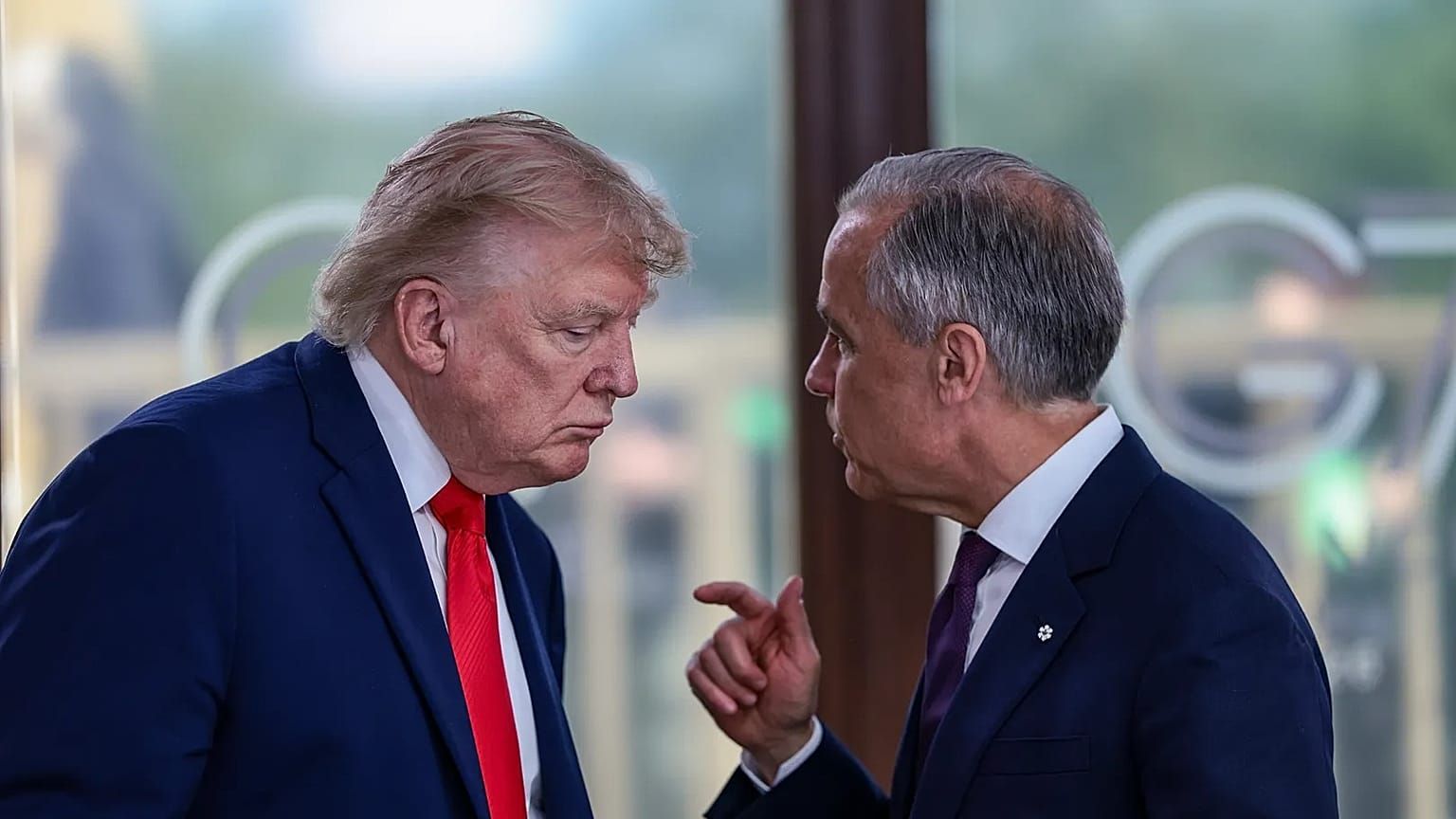
President Donald Trump has escalated tensions in the US-Canada trade conflict by threatening to raise tariffs on automobiles imported from Canada. His announcement came following the recent collapse of trade negotiations between the two countries, which ended in mutual accusations of unreasonable demands.
On Monday, Trump revealed plans to increase tariffs on Canadian cars and trucks, along with auto parts, from 25% to a staggering 50%, set to take effect on January 1. This aggressive move has only heightened an already strained relationship.
Canada’s Prime Minister Mark Carney responded strongly to Trump’s threats, labeling them as an attempt to “destroy” Canada’s auto industry. He stated that the country would be willing to resume trade talks, but only if the US approached discussions with a more constructive attitude.

The two nations had previously seemed optimistic about finding common ground earlier in the week; however, those hopes diminished rapidly as the deadline for new tariffs loomed. Canada walked away from discussions late Friday, just before US tariffs were scheduled to impose a 50% levy on approximately $20 billion of Canadian goods.
Canadian officials criticized the US for introducing last-minute conditions they found unacceptable, including clauses that would limit Canada’s ability to enter into trade agreements with other countries. In contrast, US trade representatives claimed that Canada was the one making unexpected changes.
The escalating conflict promotes a war of words, with Carney emphasizing Canada’s commitment to supporting local businesses affected by these tariffs, along with plans for infrastructure investments aimed at diversifying trade routes away from their historic dependency on the US.
As part of this response, funding of C$11 billion (approximately $7.95 billion) was announced for the construction of six new icebreakers at a Quebec shipyard, designed specifically for the Canadian Coast Guard, to assist in maintaining year-round access to shipping routes.
Doug Ford, Ontario’s premier, known for his outspoken remarks, also commented on the developing situation. He urged Trump to “kiss my ass,” suggesting that Canada could impose higher charges on oil, gas, and electricity exports to the United States as a countermeasure.
Ford’s fiery remarks caught the attention of Trump, who took to his platform Truth Social to respond, accusing Ford of “bluster” and cautioning him that failing to comply with US demands would have severe repercussions for Canada.
The economic repercussions are significant, as Canadian business owners express concern over how these new tariffs could affect prices. For instance, owners of a clothing store in Portland, Oregon, noted that the cost of a popular Canadian-made item could surge by around 50% due to the tariffs.
Adding further strain to the situation, both Canada and Mexico have voiced desires to extend the US-Mexico-Canada Agreement (USMCA) for another 16 years. However, the United States has indicated it will not renew the agreement in its current format.
Experts have warned that the unfolding trade tensions increase the risks associated with the USMCA collapsing altogether. Such a scenario could plunge Canada into recession, leading to long-lasting economic impacts.