Canada responds to US tariffs by vowing to match them dollar for dollar after failed trade negotiations, escalating tensions between the two nations.
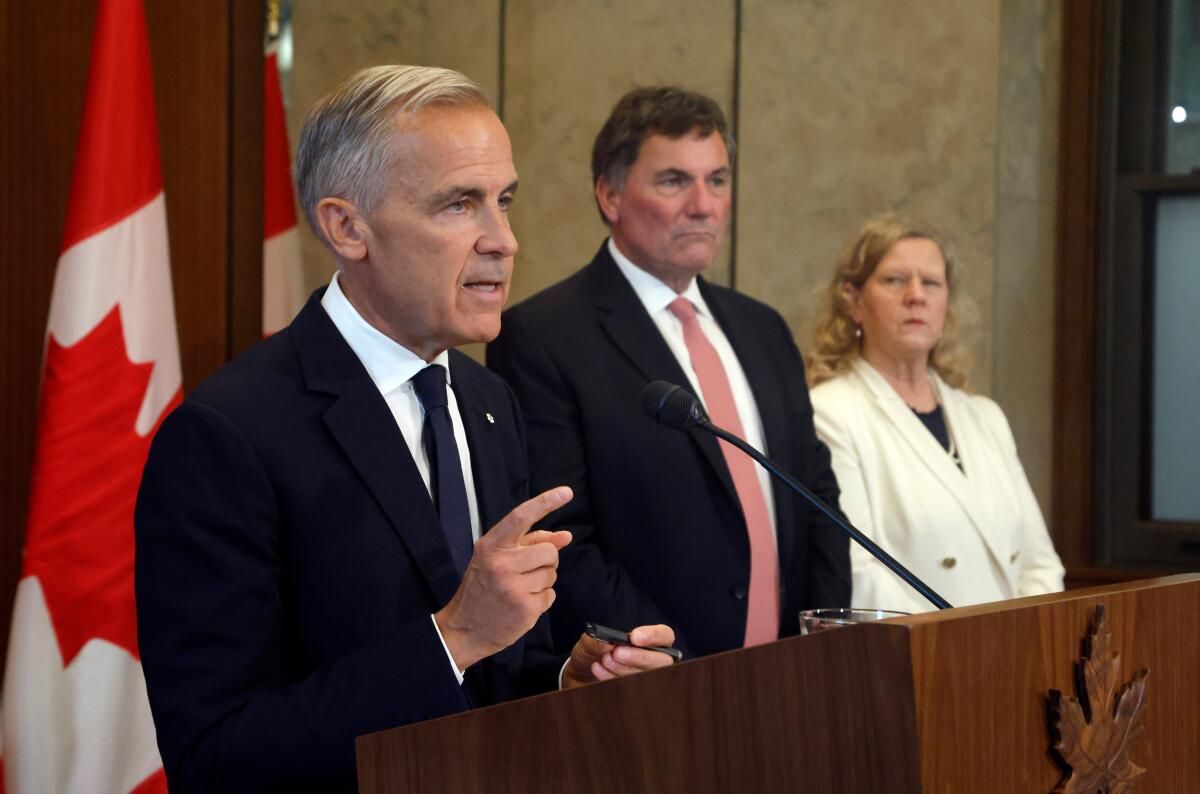
Canada responds to US tariffs by vowing to match them dollar for dollar after failed trade negotiations, escalating tensions between the two nations.
The collapse of trade talks between the US and Canada could lead to significant economic repercussions, notably job losses, but the political fallout is expected to be even more profound.
Recently, the US implemented a hefty 50% tariff on certain Canadian goods, prompting Canadian Prime Minister Mark Carney’s declaration to respond in kind, ensuring the tariffs would be matched “dollar for dollar.” The tariffs took effect just after 04:00 GMT, impacting around $20 billion worth of goods ranging from essential household items to sports equipment.
Trade experts have warned of potential job losses in Canada, but consider the political ramifications of this dispute to be far more severe. The tension marks a notable rift in the once close relationship between Washington and its Canadian neighbor. The breakdown of talks signals a troubling chapter as the countries grapple with differing approaches to trade policy under President Trump’s administration.
After an extended negotiation period, the US and Canada were on the verge of an agreement that would have seen reductions on tariffs related to steel, aluminium, and automobiles. However, those discussions fell apart due to what both sides characterized as unfair treatment. Carney expressed frustration at last-minute changes to the proposed agreement, stating that these alterations were “unfair, uneconomic, and raised doubts about any future deal’s reliability.” Consequently, Carney called back Canadian negotiators, as no further negotiations are scheduled.
On the US side, officials pointed fingers at Canada for seeking additional concessions right before the talks concluded. The US trade representative, Jamieson Greer, lamented the collapse as a “missed opportunity for Canada,” citing the losses that could result.
Recriminations have intensified, with Carney accusing the Trump administration of weaponizing economic integration. He described his country as being “attacked” by the newly imposed tariffs. Carney elaborated that the final demands from the US were excessively burdensome, remarking, “They asked too much and offered too little.” Meanwhile, Greer argued that the US was responding to a year filled with retaliatory actions from Canada, claiming, “We’ve said enough, and so we’ve taken countermeasures.”
As the situation unfolds, the tariffs could disrupt key sectors of the Canadian economy, particularly in industries already under stress. With the US imports impacting about 5% of what Canada sends yearly, this trade conflict poses risks to the broader North American economic landscape, including crucial ties with Mexico.
The scope of the tariffs encompasses various products, revealing detailed insights into cross-border commerce. The items affected range widely from milk and machinery to decorative goods and sports equipment.
Carney emphasized that Canada’s goal had been to secure a favorable agreement, expressing readiness to provide additional support for affected workers and businesses shortly. He received backing from Ontario’s Premier Doug Ford, who voiced strong support for a united front against the tariffs, indicating that “everything needs to be on the table” in efforts to safeguard Canadian sovereignty.
As this high-stakes situation develops, the long-term implications for Canada and its economic relationship with the US remain uncertain, with many Canadians harboring resentment toward the aggressive policies from Washington.
Keep in touch with our news & offers
Subscribe to Our Newsletter
Thank you for subscribing to the newsletter.
Oops. Something went wrong. Please try again later.