Northumbria University secures funding for a women’s environmental energy project converting agricultural waste into biofuel in Pakistan.
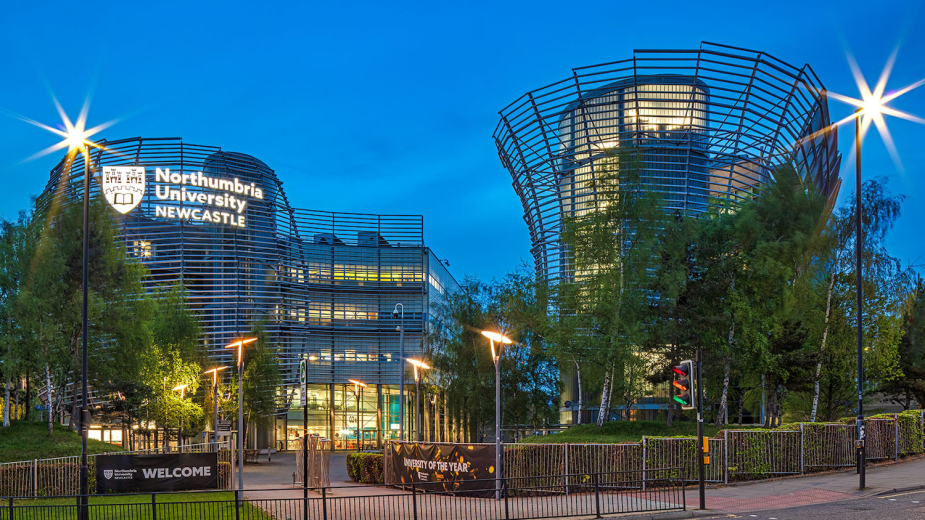
Northumbria University secures funding for a women’s environmental energy project converting agricultural waste into biofuel in Pakistan.
Academics at Northumbria University in the UK have secured funding to construct Pakistan’s first full-scale plant dedicated to converting agricultural waste into clean energy. The project, named Safer Plus, aims to transform cotton stalks and sugarcane waste into biofuel.
In Punjab province, millions of tonnes of these waste products are incinerated annually, contributing to significant air pollution and seasonal smog issues affecting the region. Funded with nearly £1.25 million by the UK government, this initiative will increase income opportunities for women in Punjab through the collection and supply of agricultural waste.
The plant will convert these raw materials into bio-coal pellets using a heating method called torrefaction. This innovative process could potentially allow the pellets to replace imported coal in brick kilns and textile mill boilers at a remarkably lower cost, making it an economically viable solution.
Dr. Jibran Khaliq, an academic leading the project, stated, “Pakistan spends over $2.5 billion every year importing coal to power its industries, while millions of tonnes of crop residue are burned in fields because there is no market for it.” Central to the project is the establishment of a women-led biomass cooperative that will play a crucial role in supplying the waste materials.
Currently, women in rural South Punjab dedicate three to six hours daily to collecting fuelwood, often working unpaid on family farms. This cooperative will ensure that over 120 households in the vicinity of the plant earn a formal income for the waste they currently pay to dispose of.
The project’s structure prioritizes women’s involvement, reserving at least 60% of training places for them, with payments made directly to their mobile wallets to guarantee independent control over their earnings.
In a promising step towards implementation, three Pakistani textile manufacturers have already signed letters of commitment to trial the bio-coal as a boiler fuel.
Dr. Khaliq emphasized the project’s unique approach, saying, “What makes this project different is that we are not proposing another laboratory study. We have spent six years developing the knowledge and now we are building a live commercial facility with three textile mills already committed to using the fuel.” He added that this project represents a turning point, transforming research findings into an actionable, replicable business model that Pakistan can adopt and expand.
Keep in touch with our news & offers
Subscribe to Our Newsletter
Thank you for subscribing to the newsletter.
Oops. Something went wrong. Please try again later.