Oxfam highlights resource challenges in combating the current Ebola outbreak in the Democratic Republic of Congo, exacerbated by foreign aid cuts.
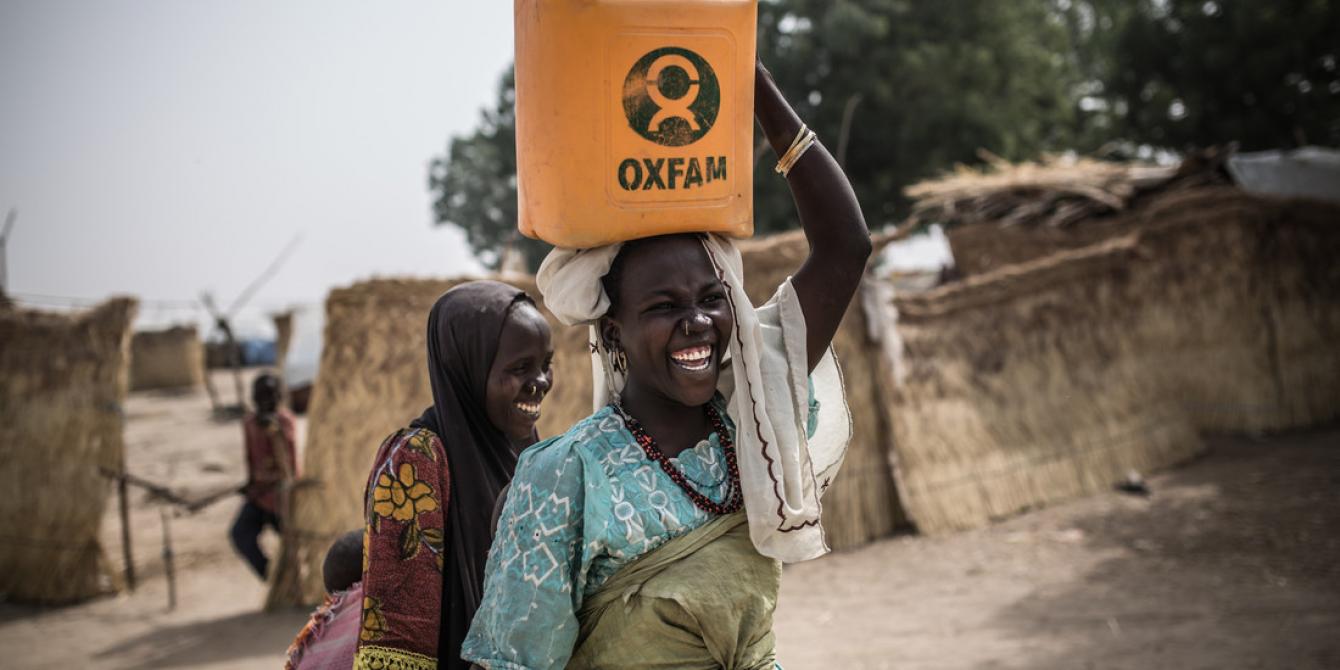
Oxfam highlights resource challenges in combating the current Ebola outbreak in the Democratic Republic of Congo, exacerbated by foreign aid cuts.
Oxfam aid workers in the Democratic Republic of Congo have issued a warning regarding the ongoing Ebola outbreak, stating that the crisis has been worsened by reductions in the foreign aid budget. This latest outbreak has reportedly led to over 2,000 fatalities and is projected to become the deadliest on record, according to the World Health Organization (WHO).
Researchers based in Oxford are actively working to prevent further spread by initiating a world-first trial for a new Ebola vaccine developed in the city. The BBC reached out to the Foreign, Commonwealth & Development Office for a statement but has yet to receive a response.
The UK government, in 2025, announced plans to cut approximately £6 billion from the overseas aid budget by 2027, reallocating the funds to boost defence spending. Oxfam’s Ebola field response coordinator, Manel Rebordosa, remarked that the situation on the ground is complicated due to a lack of resources. “I was here in 2018 and also in 2014, and there is a huge difference in the mobilization of resources at the international level to respond to this outbreak,” he said. “You can see that things that we used to do very easily in the past, now we are not really able to.”
With over 2,000 deaths attributed to the virus since the outbreak was officially declared in May, this is now marked as the second-worst Ebola outbreak in history. The WHO reports that infection rates remain alarmingly high, raising concerns that authorities are struggling to effectively manage the disease’s spread.
Rebordosa expressed worry about the outbreak potentially surpassing the scale of the 2014 epidemic. “At some point we are afraid that it will even reach the biggest outbreak to date in 2014,” he stated during a conversation from Kinshasa, the nation’s capital. “We work with community volunteers so they can really raise awareness at the very community level.”
Despite efforts to direct affected individuals to Ebola treatment centres, he cautioned that if the healthcare system lacks adequate resources, it becomes extremely challenging to earn the public’s trust. “It’s really difficult to confront communities and support them if then you have nothing to provide in the form of a health system that works,” he said.
The epicenter of this current outbreak of the Bundibugyo strain of Ebola is located in eastern DR Congo, where ongoing insecurity has further hindered control measures. The absence of an approved vaccine or recognized therapeutic drugs poses additional challenges to treating the Bundibugyo strain.
The Oxford Vaccine Group is conducting trials in hopes of developing a vaccine that specifically targets the strain responsible for this outbreak. Professor Teresa Lambe, the lead scientific investigator, shared her enthusiasm for the clinical trial. “It’s pretty significant and the whole team are really excited about this clinical trial,” she mentioned. “We’re using the same type of vaccine platform that we used in Covid. We know what the immune response is going to induce, so we’ve just made the vaccine more specific for this Ebola outbreak.”
This vaccine, developed by scientists from the University of Oxford, was prepared for trials within just eight weeks. Although 14 subjects have participated, recruitment for more volunteers is still ongoing. “With any new intervention or clinical trial, you start slow, you recruit a small number of people, you look to see that you’ve got the right safety and immune response, and it’s all going in the right direction so far,” said Prof Lambe. “What we’re trying to do is get to the DRC and get to those communities that are impacted as quickly as possible but doing that safely of course.”
Keep in touch with our news & offers
Subscribe to Our Newsletter
Thank you for subscribing to the newsletter.
Oops. Something went wrong. Please try again later.