BP reports a significant profit increase as oil prices rise due to U.S.-Iran tensions, prompting criticism from Trump and responses from company leaders.
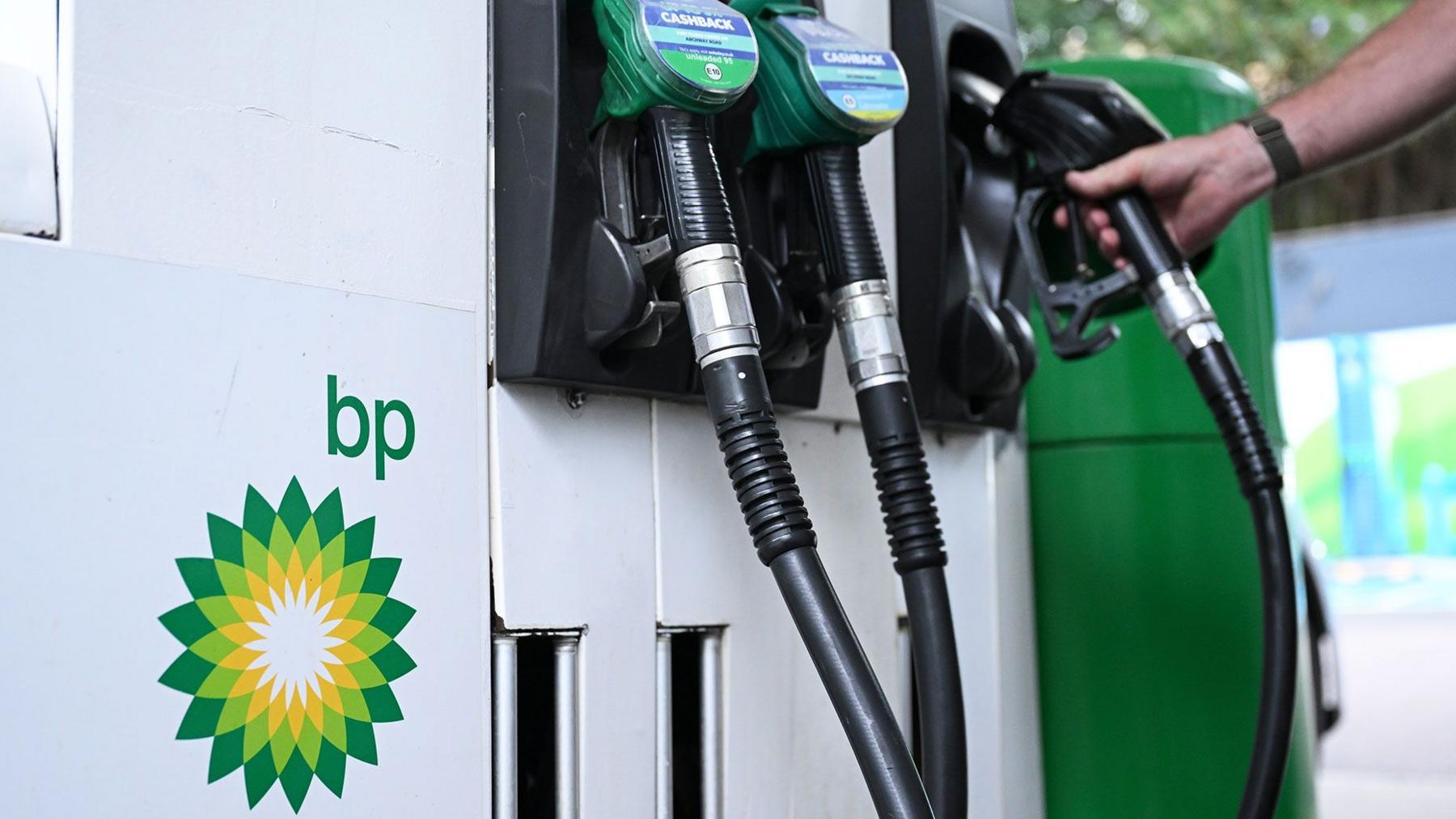
BP reports a significant profit increase as oil prices rise due to U.S.-Iran tensions, prompting criticism from Trump and responses from company leaders.
BP has reported a remarkable increase in its second-quarter profits, benefiting significantly from soaring fossil fuel prices. The profit figure was registered at $5.7 billion for the April to June period, surpassing analyst expectations of $5 billion, according to a consensus compiled by LSEG.
This marks a substantial rise when compared to the same period last year, where BP’s net profit was $2.35 billion, and the previous quarter’s profits, which stood at $3.2 billion. The overall profit surge can be attributed to escalating oil and gas prices in the midst of ongoing conflicts in the Middle East, particularly impacting shipping routes through the Strait of Hormuz, a crucial passage that accounts for roughly a fifth of the world’s oil and natural gas supply.
U.S. President Donald Trump voiced his displeasure over the profits accumulating among major U.S. oil companies such as Exxon Mobil and Chevron, expressing that these corporations were “making too much money” during the current fuel price crisis. “I don’t like it,” Trump stated during a press briefing, indicating his concerns about the financial windfall for these energy giants amid rising fuel costs.
Exxon reported second-quarter profits more than doubling to $14.5 billion compared to the prior year, while Chevron’s profits nearly quadrupled to $12 billion from $2.5 billion during the same timeframe. This prompted a response from BP CEO Meg O’Neill, who remarked that BP’s solid results were influenced by a robust performance throughout the company. She indicated an awareness of the struggles everyday families face when refueling their vehicles, noting, “Look, I understand the pressure that the ordinary household feels when they pull into the service station to fill up and see the prices.” O’Neill emphasized that BP operates in a global market where the prices of their products hinge on international commodity prices.
In a strategic move to better meet consumer demand, O’Neill added that BP is focused on ensuring reliability across its operations. The company has adapted its refining processes to maximize the availability of essential products, such as diesel and jet fuel, responding to changes in market needs.
Furthermore, Citi analysts highlighted BP’s noteworthy reduction in net debt, which positions it favorably among international oil companies. BP is now expected to continue this trend of debt reduction in the upcoming months.
On the operational side, BP is taking steps to streamline its asset portfolio, announcing the initiation of marketing its subsidiary, Archaea Energy, which it had acquired for $4.1 billion in 2022. This decision aligns with BP’s overarching strategy of divesting non-core assets to focus solely on its primary oil and gas business.
In addition to this, BP has successfully concluded the sale of its Gelsenkirchen refinery to Klesch Group, a transaction anticipated to lower its operational expenditure by around $1 billion.
The firm is also in the process of stabilizing its management team following recent executive fluctuations. Earlier this year, BP’s board removed its chairman, Albert Manifold, citing serious concerns regarding governance and oversight standards.
Keep in touch with our news & offers
Subscribe to Our Newsletter
Thank you for subscribing to the newsletter.
Oops. Something went wrong. Please try again later.