Former Oracle employee shares insights on adapting to AI and job insecurities as an H-1B visa holder in the evolving tech industry.
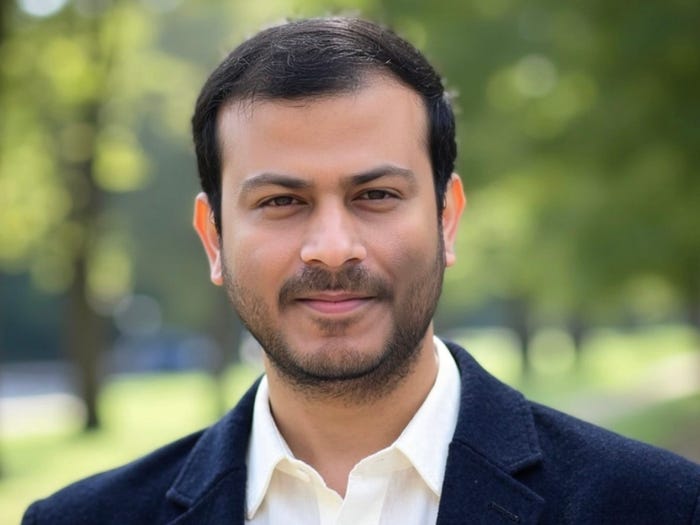
Former Oracle employee shares insights on adapting to AI and job insecurities as an H-1B visa holder in the evolving tech industry.
When Ayush Raj Jha relocated from India to Illinois in 2018 to pursue a master’s degree in computer science, he was filled with optimism about his future in software engineering. However, the ongoing layoffs and the fast-paced rise of AI technology have left him increasingly anxious about his career prospects and long-term status in the United States.
Jha, like many others on H-1B visas, faces unique challenges. With recent layoffs in the tech sector, he is acutely aware that losing his job could mean more than a simple paycheck loss—he has a mere 60 days to secure new employment to maintain his legal status. The statistics are stark; major tech players, known as the “Magnificent 7”, including giants like Amazon and Apple, have seen over 200,000 H-1B applications approved since October 2020.
“It’s really started impacting the lives of people who are on visas,” Jha remarked. “There’s constant fear and uncertainty.” Many tech workers, including Jha, have recognized the need to stay competitive amidst transformations within their sector. Some have responded by learning AI skills after hours, while others seek more secure roles.
After earning his master’s degree from the Illinois Institute of Technology in 2020, Jha took on a software engineer role at Motorola Solutions, contributing to public safety technology. In 2022, he transitioned to Oracle, serving as a senior software engineer focused on healthcare software deployment. However, the release of ChatGPT later that year compounded his worries.
To keep pace with the evolving job market, Jha dedicates approximately eight to ten hours weekly to online courses through platforms such as LinkedIn Learning and Coursera, while also engaging in open-source projects. He finds that witnessing AI’s capabilities firsthand ignites both curiosity and concern. “If we don’t adapt to these new technologies, it just becomes impossible to stay relevant or even be employable at this point,” he explained.
Social media, particularly LinkedIn, has also proven to be a double-edged sword for Jha. Posts regarding tech layoffs appear frequently on his feed, adding to a sense of instability within the industry.
Earlier this year, Jha began seeking a senior position with a company that would provide both challenge and stability. The layoff announcements at Oracle in March understandably intensified his worries regarding job security. Armed with over a decade of experience, he aimed for a role that would enable him to make a greater impact while also considering the implications of his visa status.
Despite the hiring slowdown across the tech sector, Jha’s job search was fruitful; he eventually secured a position as a staff software engineer at a customer service software company, promising both a higher title and salary compared to his former role at Oracle. He accepted the job offer in July and plans to take a two-month career break while his H-1B visa transfer is processed.
Jha attributes part of his successful job hunt to his active engagement in continuous learning and networking. “I always try to stay up to date with market trends and emerging technologies rather than only focusing on day-to-day company work or simply building my resume,” he affirmed.
As a piece of advice for fellow tech professionals—regardless of their visa situation—Jha emphasizes the importance of being prepared to interview for their next job. “At this point with AI adoption, it does not matter how well you perform even at your current company — you could be replaceable,” he cautioned.
Keep in touch with our news & offers
Subscribe to Our Newsletter
Thank you for subscribing to the newsletter.
Oops. Something went wrong. Please try again later.