The US urges citizens in the Middle East to remain alert amid escalating tensions with Iran, with potential military action on the horizon.
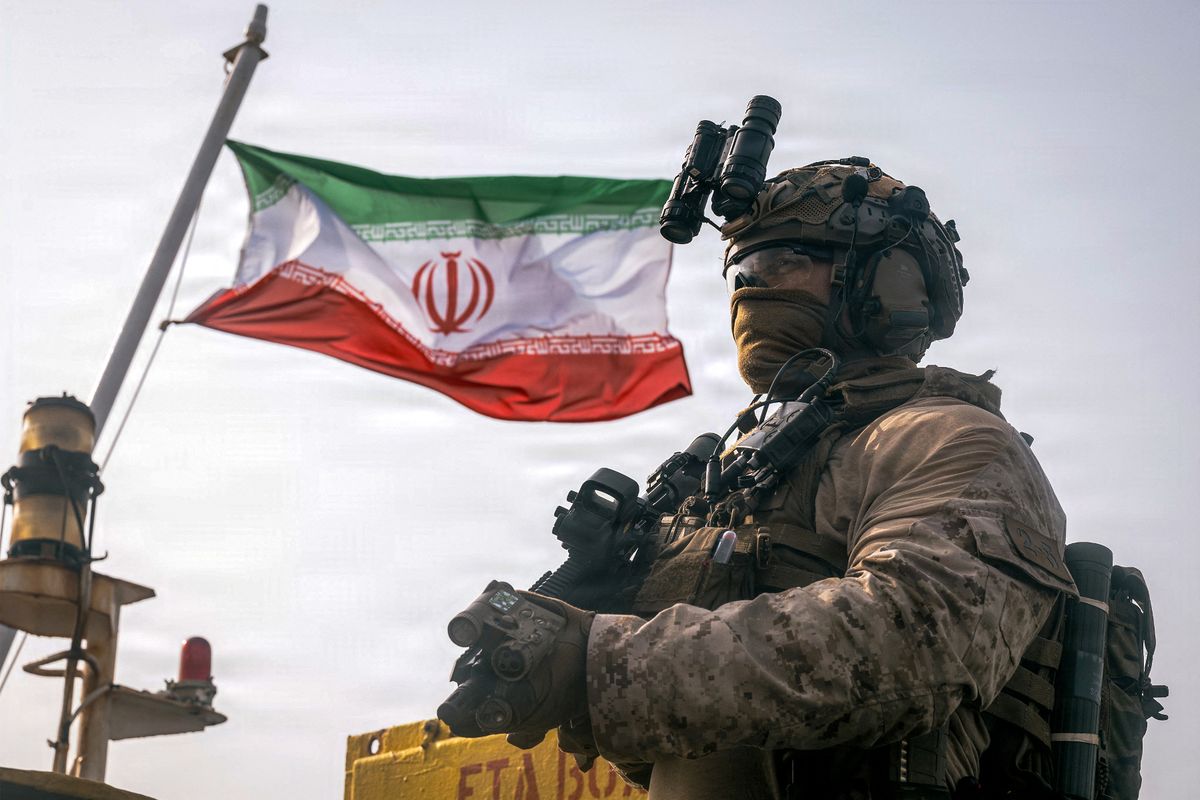
The US urges citizens in the Middle East to remain alert amid escalating tensions with Iran, with potential military action on the horizon.
The US government has issued an urgent alert to its citizens residing in the Middle East, advising them to remain vigilant and prepared for potential evacuation as tensions escalate in the region. This warning comes in light of intensifying reports that President Donald Trump may be considering a series of significant airstrikes on Iran over the upcoming weekend.
The State Department cautioned that US diplomatic facilities, both in the Middle East and worldwide, have been potential targets. It emphasized, “Iran and groups supportive of Iran may target other US interests overseas or at locations associated with the United States and Americans throughout the world.” This statement serves as a stark reminder of the risks faced by American nationals in the region.
The US embassies in several Middle Eastern countries—including Bahrain, Iraq, Israel, Jordan, Kuwait, Lebanon, Oman, Qatar, Saudi Arabia, and the United Arab Emirates—have disseminated this security alert. They warned Americans to expect travel disruptions, including flight cancellations and possible airspace closures, while suggesting that those in the region consider leaving should tensions worsen.
The alert also prompted blunt warnings from Iranian officials, who accused the US of exacerbating already volatile conditions, stating that any regional state cooperating with Washington could be “engulfed by the flames of war.” This exchange heightens the atmosphere of uncertainty as both nations navigate an increasingly hostile relationship.
Reports indicate that Trump is contemplating launching aggressive strikes aimed specifically at Iran’s energy infrastructure, with plans possibly being formulated during a cabinet meeting. Insiders revealed that Trump stated, “We’ll be hitting them [Iranians] very hard. At some point, they’re going to say, ‘We just can’t take it anymore.'” This statement raises concerns about how far the US may be willing to escalate military action.
In recent developments, the US military completed what it called a “heavy wave” of strikes against Iran, a direct response to missile attacks targeting American forces. The Central Command reported strikes against numerous facilities associated with Iran’s Islamic Revolutionary Guard Corps (IRGC) and mentioned the tragic impact of these operations, with Iranian media claiming that three lives, including that of a two-year-old child, were lost due to the US strikes.
This conflict escalated following a brief period of relative calm, with joint US-Saudi strikes reported to have been aimed at Iranian proxies in Iraq. The regional power dynamics have transformed drastically since a ceasefire was attempted in April, which has since unraveled, leading to increasing military confrontations between Washington and Tehran.
The US has not only engaged in bombarding Iranian sites but has also implemented a blockade on Iranian ports. Meanwhile, Iran has retaliated by firing missiles and drones at US properties across the Middle East, further complicating the tense situation surrounding this pivotal global oil shipping route, the Strait of Hormuz.
As the US and Israel prepare for what could be one of the most extensive bombing campaigns to date against Iran, the potential for widespread conflict looms ominously in the background.
Keep in touch with our news & offers
Subscribe to Our Newsletter
Thank you for subscribing to the newsletter.
Oops. Something went wrong. Please try again later.