Trump signals a potential large-scale attack on Iran amid rising oil prices and escalating tensions in the Middle East.
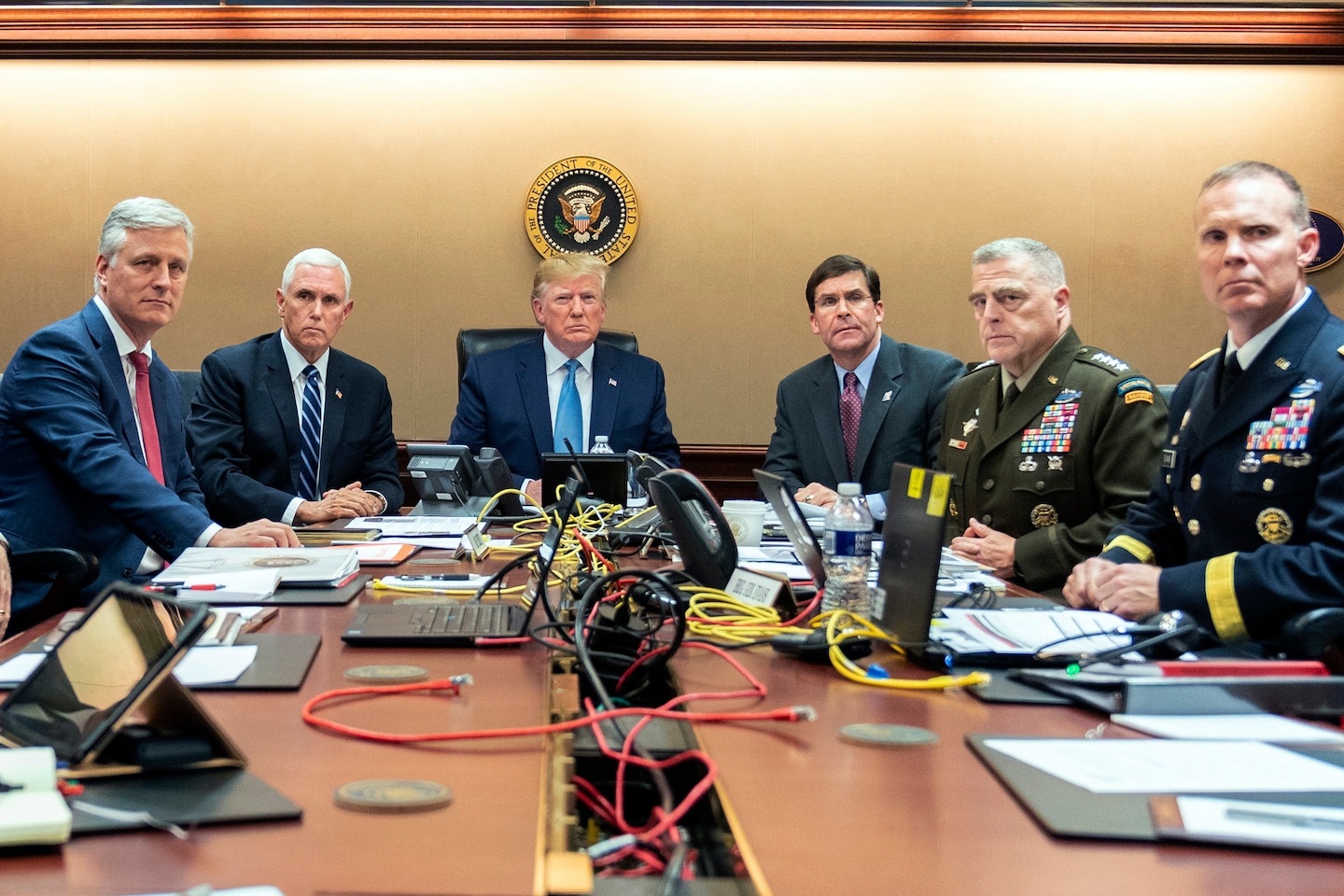
Trump signals a potential large-scale attack on Iran amid rising oil prices and escalating tensions in the Middle East.
Donald Trump has indicated he is nearing a decision on whether to initiate what he describes as a “massive attack” against Iran, potentially escalating the already tense situation in the Middle East. His comments came during an interview with Axios, in which he stated, “I am considering a massive attack. Bigger than ever before. I am close to making a decision. We are all set for it.” This announcement follows a series of troubling developments, including Houthi strikes on Saudi oil tankers in the Red Sea and a surge in oil prices beyond $100 per barrel.
During the interview, Trump acknowledged the serious implications of such a military action but did not commit to a final decision. He noted, “Israel would join in two minutes if I ask them to,” reinforcing the significant international dimensions of the situation. Just days prior, he had hinted at severe military consequences for both Iran and the Houthis, accusing them of being an Iranian proxy responsible for challenging U.S. interests in the region.
The urgency of Trump’s rhetoric coincides with ongoing conflicts, as the United Nations Secretary-General António Guterres has warned that the Middle East is being pushed toward the brink of an unimaginable catastrophe. At a recent security council meeting, he remarked, “The situation is getting out of control. It is teetering on the edge of the unimaginable.” Guterres elaborated on the interconnected crises, stating that escalation in one area leads to further conflicts, complicating any political resolutions.
In light of these tensions, the UK government has temporarily withdrawn diplomatic personnel from Iran, while Germany’s military has also pulled its vessels from the Red Sea region. American citizens residing in the Middle East were cautioned about potential flight cancellations due to the deteriorating security situation.
Trump’s decisions come amid earlier threats of “major military punishment” against Iran, escalating ongoing military hostilities. Reports earlier indicated that Iran had dispatched military advisors and equipment to support the Houthi forces, heightening fears about the conflict’s spread. The Houthis recently claimed responsibility for strikes on two Saudi tankers—Encelia and Layla—causing significant damage to vessels crucial for oil transport.
With the Bab el-Mandeb Strait becoming increasingly perilous for shipping, the maritime data firm Lloyd’s List Intelligence highlighted that the Houthi attacks also threaten the safety of major shipping routes critical for global trade. About 12% of the world’s trade, including significant oil shipments, rely on these routes.
As the U.S. administration grapples with this spiraling situation, Trump has stepped up his aggressive posture. Recently, he suggested a strategy of targeting Iranian infrastructure if attacks on U.S. interests persisted. In contrast, U.S. Secretary of State Marco Rubio indicated that Iran appeared desperate for a diplomatic resolution, urging them to renounce hostile actions or face severe consequences amidst the domestic backlash against Trump’s military strategies in the run-up to upcoming elections.
This fast-evolving scenario not only places U.S. forces on high alert but also signals a critical juncture for Trump. With concerns about his popularity and dwindling time before the autumn midterms, this decision regarding a possible military assault may affect both international relations and his political standing at home.
Keep in touch with our news & offers
Subscribe to Our Newsletter
Thank you for subscribing to the newsletter.
Oops. Something went wrong. Please try again later.