Iran strikes US allies in the Middle East as conflict escalates, targeting civilian sites in Kuwait and resulting in heightened tensions.
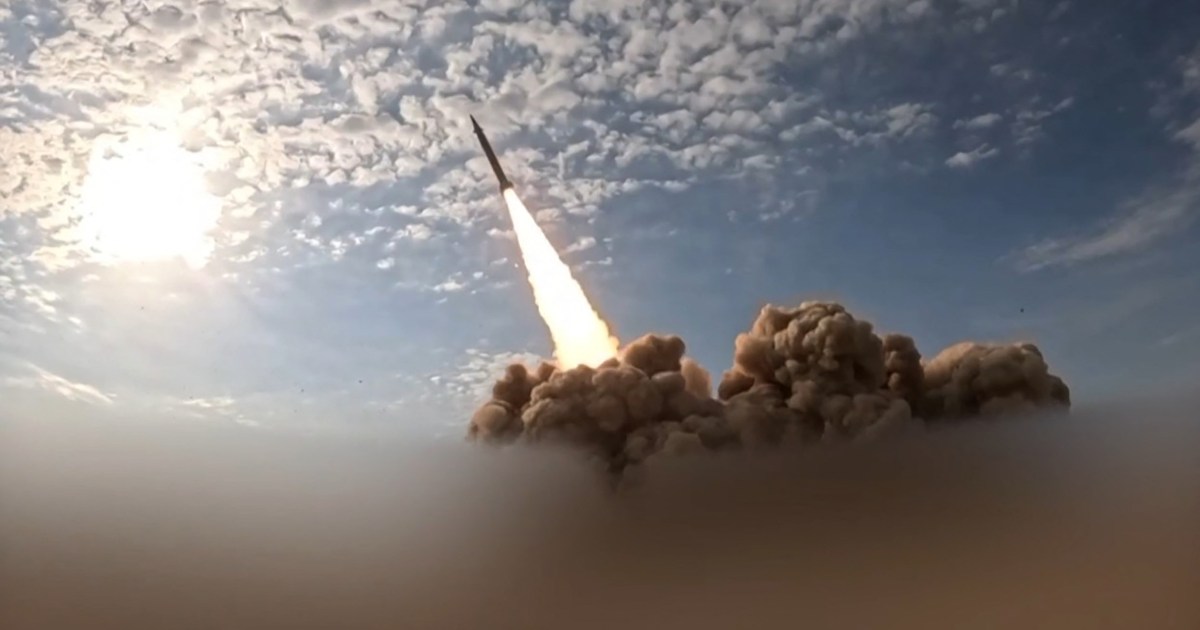
Iran strikes US allies in the Middle East as conflict escalates, targeting civilian sites in Kuwait and resulting in heightened tensions.
Sirens erupted in Bahrain as Iran launched a series of attacks against US allies in the Middle East, prompting accusations from Kuwait regarding the targeting of civilian sites and critical infrastructure. This escalation followed recent US military actions in response to the death of two American troops and the disappearance of another in Jordan.
The US military confirmed on Saturday that strikes were directed at forces of the Islamic Revolutionary Guard Corps (IRGC) that had initiated attacks on US personnel stationed in Jordan on July 17. These US operations reportedly focused on degrading Iranian military capabilities, targeting coastal surveillance, air defense installations, and storage facilities for missiles and drones.
This offensive marks the continuation of US strikes, now entering their second week, as tensions flare over the strategic strait of Hormuz. Notably, the involvement of Iran’s supreme leader, Mojtaba Khamenei, was highlighted through a statement issued in which he warned of “unforgettable lessons” should US strikes persist.
Kuwait, reliant on desalinated water, expressed alarm as it reported Iranian strikes impacting its power and water desalination plant. These assaults necessitated the brief closure of its airspace while interceptions of Iranian missiles and drones took place. Reports indicated injuries among firefighters responding to the blazes ignited by these strikes.
Bahrain was not spared, activating air raid sirens amid warnings of incoming threats. Meanwhile, Jordan’s defense systems successfully intercepted several Iranian missiles, as state media outlined the defensive actions taken to protect the kingdom.
The Iranian retaliation comes in the wake of US airstrikes that reportedly targeted key civilian infrastructure, including bridges and power facilities. The attacks have sparked outrage from the Gulf Cooperation Council, whose secretary general condemned Iran’s actions, labeling them as “war crimes” and emphasizing the deliberate targeting of civilians and their infrastructure as a violation of international law.
Reports suggest that an oil facility in Kuwait was also affected, resulting in casualties and significant material damage, as noted by the Kuwait Petroleum Corporation. The foreign ministry reiterated concern over the systematic assaults that threaten civilian safety and infrastructure.
In a broader context, the IRGC proclaimed success in destroying US assets in the region, declaring the strikes to be a decisive response to perceived American aggressions, including the purported destruction of two US fighter aircraft during earlier retaliatory measures.
As the situation unfolds, US Central Command has indicated continued military operations to counter Iranian threats, while Iranian state media reported bombings in several Iranian cities potentially linked to international military actions.
The conflict has taken a significant toll, with Iranian officials stating that US strikes have resulted in approximately 50 fatalities and over 500 injuries since the resurgence of hostilities. The Iranian Ministry of Energy conceded that US actions had successfully targeted their power infrastructure, calling for conservation efforts in southern provinces subject to extreme heat.
As tensions heighten, senior military figures in Iran, including Maj Gen Mohsen Rezaee, have warned of a shift to full-scale offensive operations should US actions continue.
Keep in touch with our news & offers
Subscribe to Our Newsletter
Thank you for subscribing to the newsletter.
Oops. Something went wrong. Please try again later.