
Donald Tusk emphasizes that Poland faces critical months due to potential Russian aggression, prompting preparations for various scenarios.
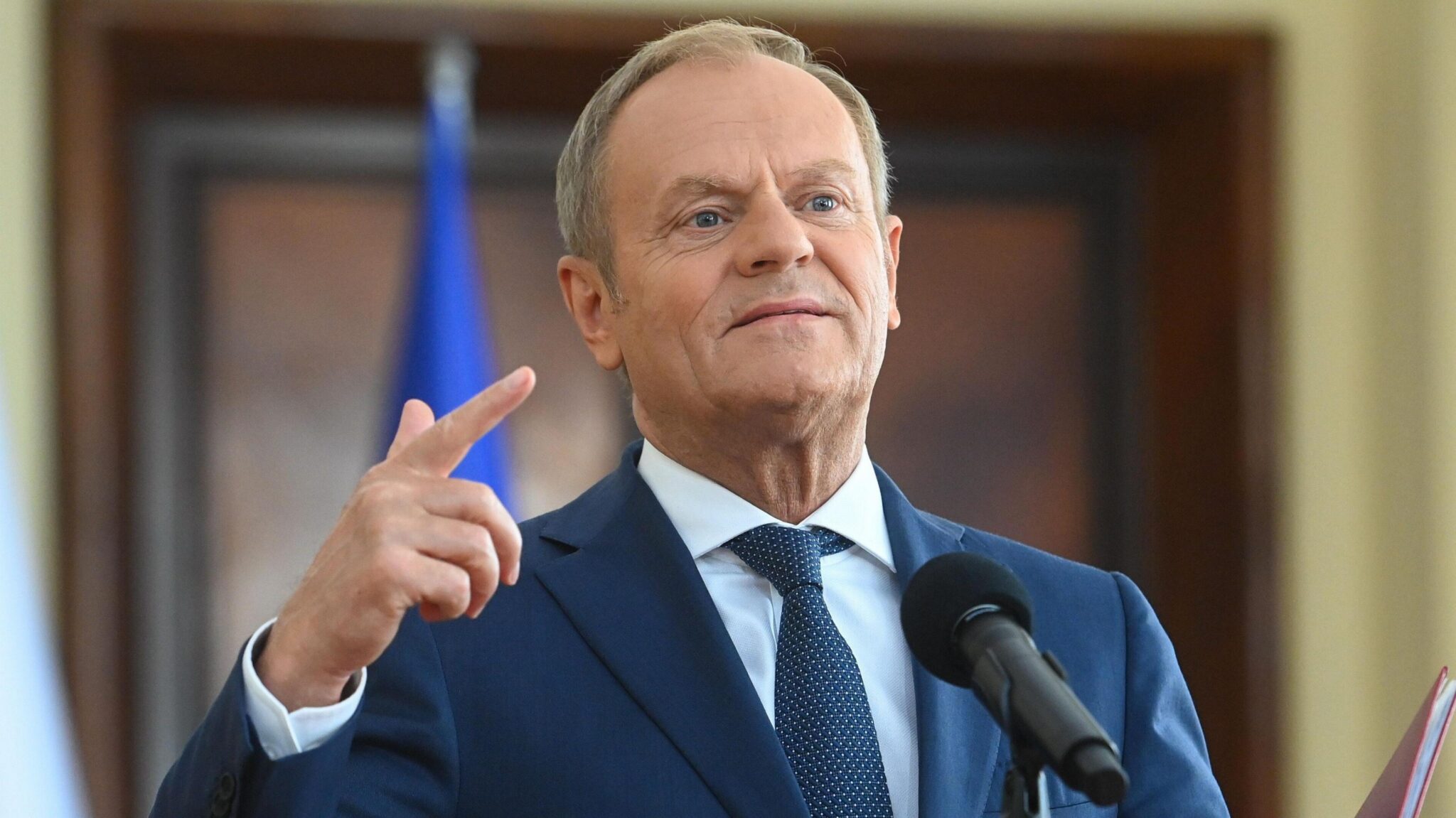
Donald Tusk emphasizes that Poland faces critical months due to potential Russian aggression, prompting preparations for various scenarios.
Poland’s Prime Minister Donald Tusk has voiced grave concerns regarding the potential threat from Russia, suggesting that the upcoming months could prove to be “critical” for the nation. His remarks come in light of media reports alleging that Moscow might be planning an armed “provocation” aimed at gauging NATO’s resolve, as cited by U.S. intelligence sources.
“I don’t mean to scare anyone but the coming months may truly be critical, also due to the changing nature of the war. These concerns are particularly palpable in the Baltic states,” Tusk stated during a press conference.
Polish news outlet Onet reported that close sources to President Karol Nawrocki indicated that the U.S. had issued several warnings to Warsaw regarding a potential plot for an attack on Poland.
Though neither the White House nor the U.S. State Department responded to requests for comments, the allegations outlined potential threats to Polish infrastructure, including missile or drone strikes, or the introduction of soldiers into the NATO member nation.
The motive behind these possible attacks could be to exert pressure on Ukraine’s western allies, urging them to halt their support for Ukraine as it continues its fight against the ongoing Russian invasion initiated in 2022.
In his response to these alarming reports, Tusk reassured citizens: “Let’s not be afraid, we are preparing for various situations, but we cannot ignore them… We are aware of the threats, also thanks to information from our allies.”
Poland’s President Nawrocki is scheduled to attend a NATO summit in Turkey next week alongside other leaders from the military alliance. At the summit, NATO Secretary General Mark Rutte plans to emphasize that European nations are heeding U.S. President Donald Trump’s calls for increased defense spending. Leaders will also likely express their commitment to continue supplying weapons to Ukraine.
Tusk previously commented to the Financial Times in April that a Russian attack on a NATO member state could occur within “months.” Following this, Deputy Prime Minister Radek Sikorski told CBS News that a Russian “false flag” operation cannot be dismissed in the next two years as a pretext to justify an assault on a NATO ally.
Concerns have been echoed by the Baltic states, which have also recognized their vulnerability to potential Russian provocations. Reports from Latvian media indicated that the country’s intelligence services had warned of impending military aggressions either in their region or Poland.
Lithuania’s ambassador to NATO remarked that Russia is more inclined to employ hybrid warfare tactics—such as incursions with missiles or drones—rather than launching a conventional military assault, as conveyed by the country’s public service broadcaster LRT.
NATO’s Article 5 establishes that an armed attack on one member is tantamount to an attack on all, triggering a collective defense response from member nations.
The implications of these developments are significant and underline the ongoing volatility in the region, placing Poland at a critical juncture as it navigates potential threats from its eastern neighbor.
Keep in touch with our news & offers
Subscribe to Our Newsletter
Thank you for subscribing to the newsletter.
Oops. Something went wrong. Please try again later.