Iran is asserting its claim over the Strait of Hormuz while Oman proposes alternatives, sparking tensions in the region.
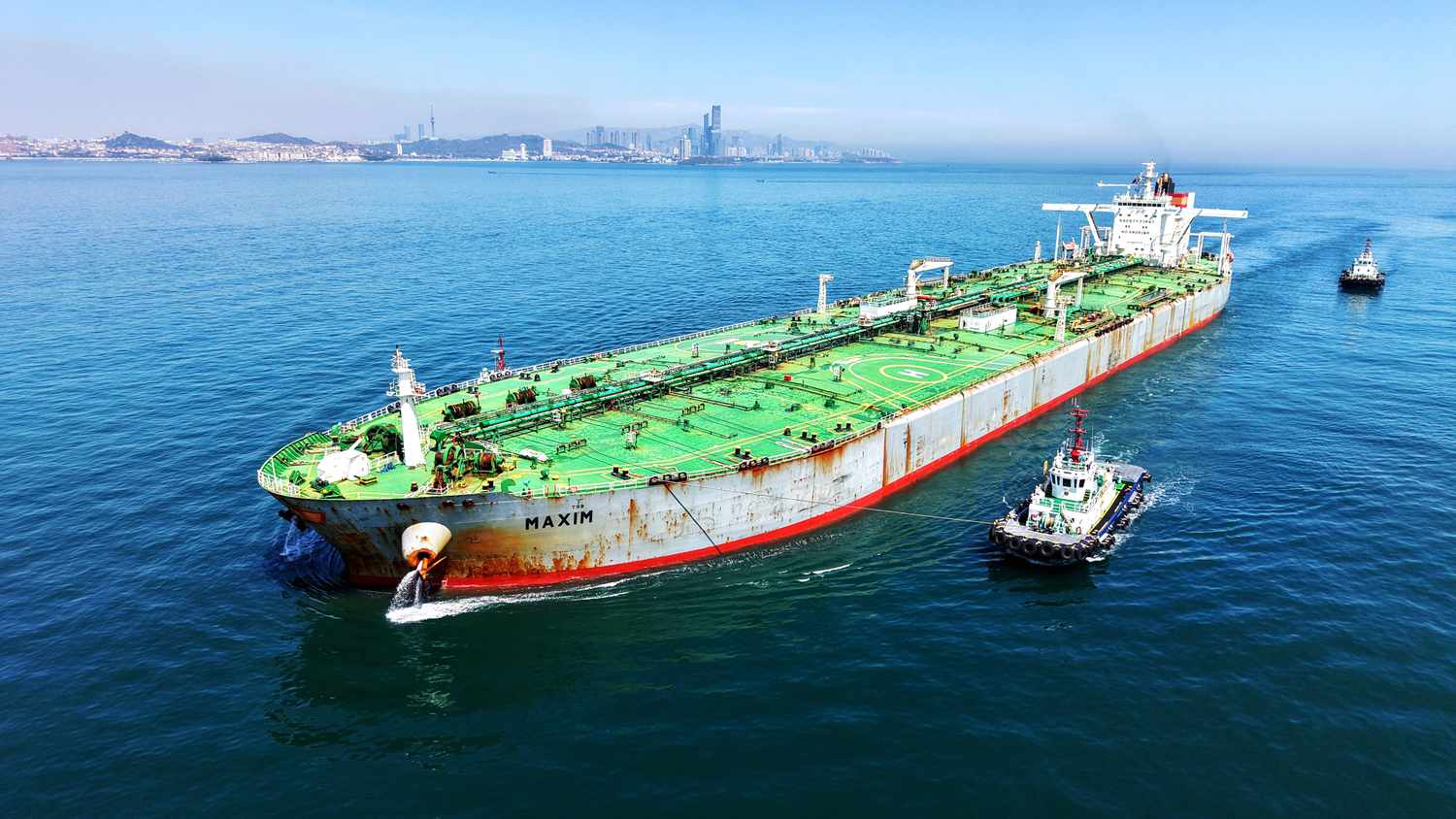
Iran is asserting its claim over the Strait of Hormuz while Oman proposes alternatives, sparking tensions in the region.
Tehran believes it should control the shipping route, but its neighbour has different plans for reopening it. The strait of Hormuz is Iran’s chief bargaining tool in negotiations with the US, making it a crucial point of contention. Every inch of the 24-mile-wide waterway is being contested in a test of wills and patience.
For Iran, the continuation of this dispute poses no issue as long as it maintains control. A memorandum of understanding signed with Washington on June 18 stipulates that substantive talks over Iran’s nuclear programme will not commence until the blockade of the strait is lifted, something Iran is expected to pursue vigorously, albeit with only “its best endeavours.” The longer the blockade continues, the more it coincides with the US midterm elections, raising the stakes for Trump. However, the Iranian government faces its own challenges domestically, particularly with an electorate grappling with inflation.
Iran is taking an uncompromising stance, asserting that it alone holds the authority to lift the blockade. Holding this prerogative tightly, Iran has resisted the involvement of other countries or institutions in the strait’s reopening. As a result, the suggestion of a southern route near Oman, developed in collaboration with the UN’s International Maritime Organization, was swiftly rejected. This route was proposed as a way to circumvent the central shipping lane, which was shut down due to mines. The IMO believed it had Iran’s agreement for this proposal, but conclusions drawn were faulty.
Subsequent Iranian aggression, which included an attack on a Singaporean ship traversing the southern route, forced the IMO to abandon the plan altogether. For Iran, relinquishing its influence over the strait would mean reverting to negotiations on unfavorable terms and losing a key strategic tool.
At a press conference in Baghdad, Iranian Foreign Minister Abbas Araghchi stated: “Any attempt to adopt new or separate arrangements from those currently being pursued by the Islamic Republic will only lead to further complications, delays in reopening the strait of Hormuz, and an increase in tensions.”
The conflict over the southern route, intended for discussion in upcoming talks in Doha, could overshadow the pursuit for a long-term management solution for the strait—an effort that Oman has been diligently working on for the past two months. This plan has been crafted to comply with international law while also securing Iran’s eventual approval.
However, Oman, traditionally a neutral nation, finds itself in a delicate position. It recognizes that disregarding Iran’s objections may diminish Tehran’s willingness to endorse Oman’s vision for the future of the strait. Conversely, if Oman does not actively engage in humanitarian efforts to free thousands of trapped sailors, it risks having its proposals rejected both regionally and by the UN, increasing the likelihood of US military intervention.
The mere fact that Iran’s Deputy Foreign Minister, Kazem Gharibabadi, engaged in discussions with Oman’s Minister of State for Foreign Affairs, Abdulaziz al-Hinai, suggests Tehran acknowledges it does not hold unilateral power over the strait’s management. Oman has been attempting to develop a framework that ensures littoral states receive revenues from commercial shipping transiting through the strait. The income would ideally come from voluntary contributions or payments for specific navigational services.
Omani Foreign Minister Badr al-Busaidi articulated: “We are not in favour of imposing tolls on passage through the strait of Hormuz, which is prohibited internationally—whereas service fees are legal, and discussions are currently underway with the Iranian side concerning them.” This differentiation focuses on legal provisions found in maritime law, which prohibits payments solely for passage but permits cooperative funding for navigational services.
The distinction will likely be emphasized by the Sultan of Oman during his meeting with French President Emmanuel Macron on Monday. In theory, Macron, alongside UK Prime Minister Keir Starmer, has a naval taskforce ready to deploy to oversee agreements on freedom of navigation. The Sultan is likely to advocate that support for Oman’s plan would eliminate the necessity for military intervention.
Keep in touch with our news & offers
Subscribe to Our Newsletter
Thank you for subscribing to the newsletter.
Oops. Something went wrong. Please try again later.