President Cyril Ramaphosa calls for non-violent protests as thousands of migrants prepare to leave South Africa amid rising tensions.
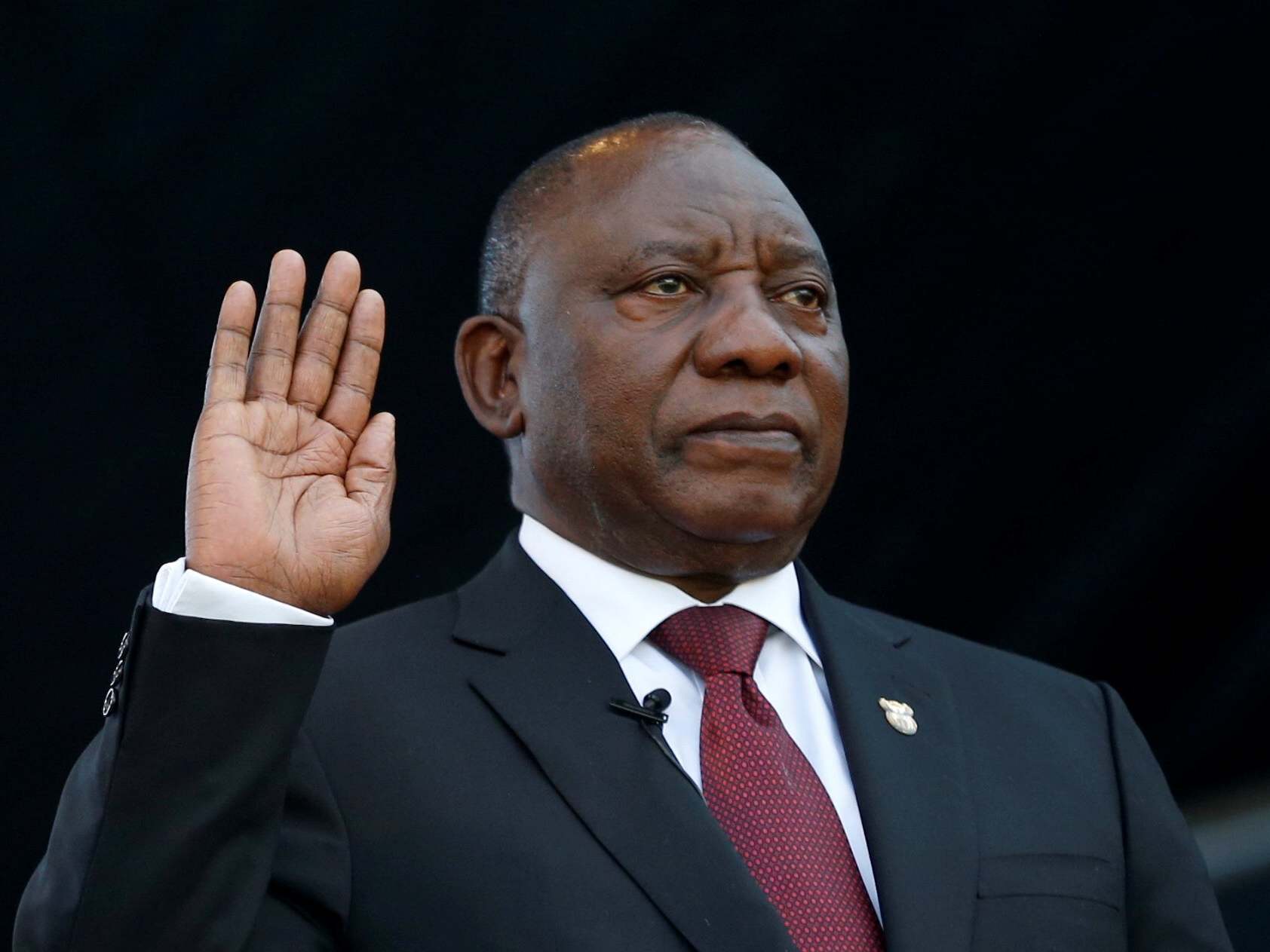
President Cyril Ramaphosa calls for non-violent protests as thousands of migrants prepare to leave South Africa amid rising tensions.
In a strong statement, President Cyril Ramaphosa urged those planning to protest against migrants in South Africa to refrain from “intimidation, threats or ultimatums.” This warning comes just before an unofficial deadline set by anti-migrant groups for undocumented foreigners to depart the country.
As tensions rise, thousands of migrants from various African nations have already decided to leave South Africa, driven by fear of escalating violence. One undocumented Malawian who is among those departing expressed mixed emotions, stating he was “happy to be going back” but also “heartbroken” about leaving his four young children behind.
Ramaphosa has consistently emphasized the importance of peaceful demonstration, recognizing the necessity for immigration reform. He highlighted that migrants contribute positively to South African society, stating, “They work, study, raise families, invest in our economy and contribute positively to our society. They too are entitled to the protection of our laws and our Constitution.”
The president reiterated that the right to protest and freedom of expression should not infringe upon the rights of others, saying, “The right to protest and freedom of expression does not allow people to threaten or intimidate others, or to engage in acts of vandalism or violence.”
South Africa hosts over three million documented foreign nationals, according to government statistics. As the deadline looms, many migrants are awaiting processing in temporary camps, having faced a lack of safety in their living conditions.
In Durban, a city noted for the intensity of protests against immigrants, authorities have begun dismantling temporary housing structures, primarily occupied by Malawian migrants. This has resulted in scenes where women, adorned in colourful sarongs, sat atop their belongings, patiently waiting to board buses heading back to Malawi.
One migrant, Nelson Mbewe, shared his experience of moving to South Africa in search of better job opportunities to support his family back home in Malawi. Pushed to leave due to strict regulations regarding documentation, he reflected, “But we’ve faced challenges – they’re saying we should go back home because we do not have the right documents.” He added, “They say we are Makwerekwere,” a derogatory term used for migrants from African nations.
Hassan Phiri, another Malawian still pending immigration processing, conveyed a message of unity. “All I want to say to South Africans is that we are all one. No matter what is happening, no matter what will happen, Africa must remain Africa. Africa can’t be Africa without South Africa… without Malawi, without anywhere,” he expressed, emphasizing the need for love and solidarity among African nations.
The South African government reported that more than 12,000 immigrants have been either deported or repatriated since violence against migrants surged earlier this year. Countries such as Ghana, Malawi, Mozambique, Nigeria, and Zimbabwe have organized repatriation efforts, with around 3,500 foreign nationals volunteering to return home.
Authorities indicated that more anti-migrant marches have been sanctioned for Tuesday in key cities including Durban and Johannesburg. While officials hope for peaceful protests, they remain prepared for possible disruptions amidst escalating public sentiment.
Xenophobia has been a longstanding issue in South Africa, sometimes leading to violent confrontations. According to data from the African Centre for Migration and Society’s (ACMS) xenophobic violence tracker, two casualties have already been reported this year. Furthermore, history recalls the violent outbreaks of 2008, in which more than 60 people lost their lives in similar anti-immigrant riots.
Keep in touch with our news & offers
Subscribe to Our Newsletter
Thank you for subscribing to the newsletter.
Oops. Something went wrong. Please try again later.