Markets



1
Markets
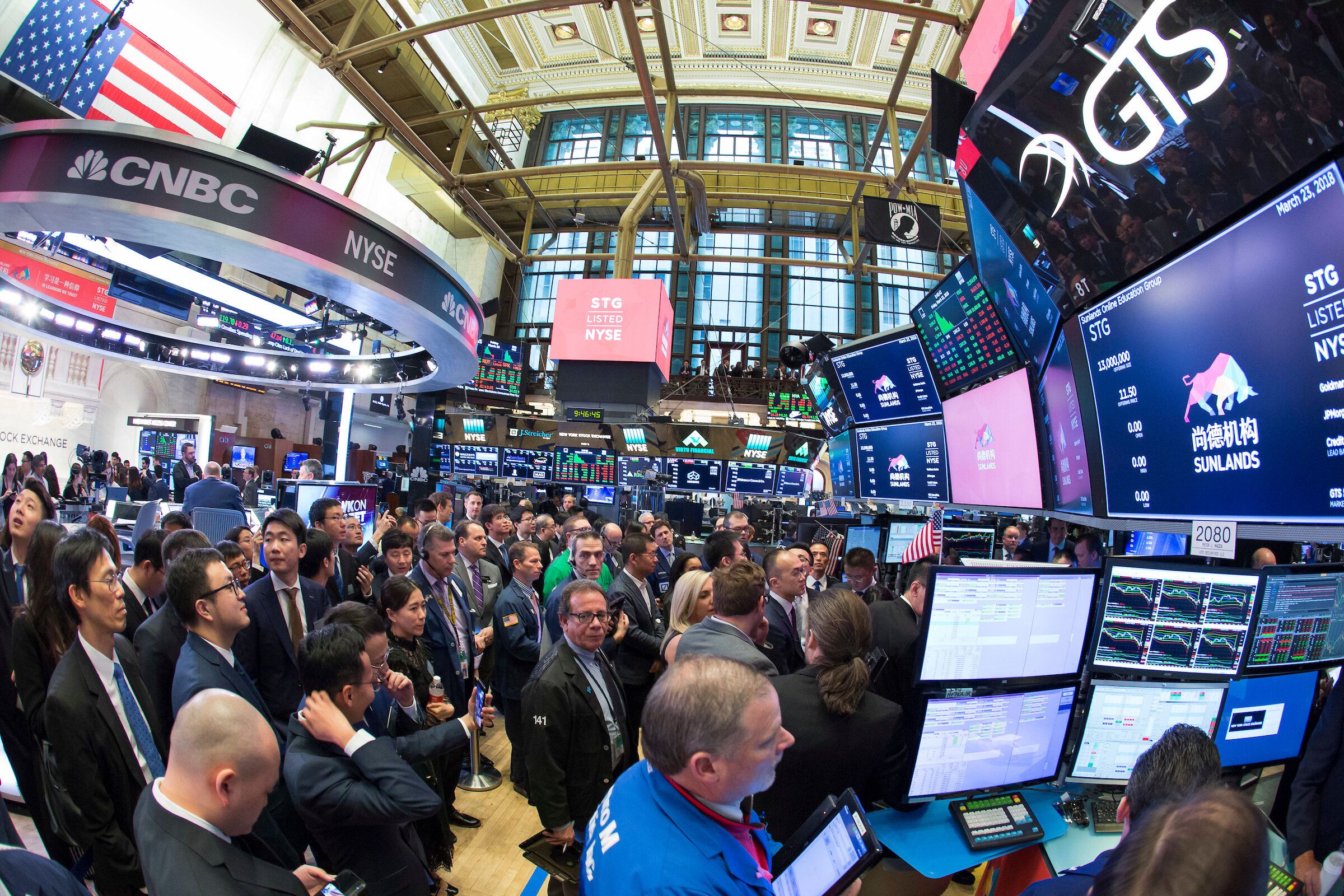
Global financial markets moved cautiously this week as rising oil prices, a stronger US dollar and renewed uncertainty around inflation weighed on stocks and commodities. Traders across forex, equity and commodity markets are now watching central banks closely for signs of what comes next.
Oil prices pushed higher again on Tuesday, adding fresh pressure to already fragile global markets as investors tried to make sense of conflicting economic signals coming out of the United States, Europe and Asia. Brent crude climbed above recent trading levels after supply concerns resurfaced in the Middle East, while traders also reacted to expectations that major producers could keep output tight for longer than previously expected.
The move in energy markets immediately spilled into forex and equities. The US dollar stayed firm against most major currencies, with investors continuing to treat it as a safer option while uncertainty builds around inflation and interest rates. The euro struggled to gain momentum and several Asian currencies weakened slightly during overnight trading. Analysts said the latest moves reflected growing caution rather than outright panic, but there is a clear sense that traders are becoming more defensive.
Stock markets did not react well to the renewed pressure from commodities. Major indexes in Europe opened lower before US futures followed the same direction. Technology stocks, which had been carrying much of the market’s momentum in recent months, faced another round of selling as investors worried that higher oil prices could eventually keep inflation elevated. If inflation remains stubborn, central banks may delay interest rate cuts, something equity markets had been heavily counting on.
The relationship between commodities and inflation has become increasingly important again this year. Just a few months ago, many traders believed central banks were close to gaining control over rising prices. Now the conversation has shifted slightly. Energy costs remain unpredictable, shipping disruptions continue to affect supply chains and wage growth in several economies is still running hotter than policymakers would like.
Gold prices also edged higher during the session, which many market watchers viewed as a sign that investors are seeking protection against uncertainty rather than chasing risk. Traditionally, gold performs well during periods where inflation fears and geopolitical tensions rise together, and recent price action seems to support that trend. At the same time, industrial commodities such as copper traded unevenly as traders weighed weaker manufacturing data from parts of China against hopes of future stimulus measures.
Currency markets have become particularly sensitive to every economic release. Traders are now reacting sharply to employment numbers, inflation reports and even comments from central bank officials. In the US, expectations for interest rate cuts have shifted multiple times over the last few weeks alone. Some investors still believe the Federal Reserve could begin easing later this year, while others think stronger commodity prices may force policymakers to stay cautious for longer.
That uncertainty has created a difficult environment for global businesses and investors. Companies dealing with imports and exports are facing unpredictable currency swings, while consumers in several countries continue to feel pressure from fuel and food prices. Economists warn that if commodity prices continue climbing steadily, the impact could eventually spread beyond financial markets and back into everyday spending.
Public reaction has been mixed. Some retail investors remain optimistic, pointing to strong corporate earnings and resilient labour markets as reasons markets could recover quickly. Others are beginning to scale back risk exposure after months of aggressive buying. Trading volumes in defensive sectors have quietly increased over recent sessions, suggesting that larger institutional investors may already be repositioning portfolios behind the scenes.
Market strategists say the next few weeks could become especially important. Several major inflation reports and central bank meetings are approaching, and investors are likely to react strongly to any sign that policymakers are changing their outlook. If inflation cools despite rising commodity prices, markets could stabilise again fairly quickly. But if price pressures continue building, the path forward becomes more complicated.
For now, traders across forex, commodities and stock indexes are watching every headline closely. Markets are not collapsing, but confidence no longer looks as comfortable as it did earlier in the year. The mood has shifted from optimism to caution, and in global finance, that change alone can move billions within hours.
Thank you for subscribing to the newsletter.
Oops. Something went wrong. Please try again later.
Read trusted, award-winning journalism.
Just $2 for 6 months.