Football did not become the world’s biggest sport overnight. Its rise is a story of simplicity, empire, media, and emotion, turning a basic game into a global obsession.
Football is everywhere now. From packed stadiums in Europe to dusty pitches in Africa and late night broadcasts in Asia, the game has embedded itself into everyday life across continents. It is followed by billions, fuels massive economies, and shapes identities. But its dominance was not inevitable. The journey from a loosely organised pastime to the most popular sport on Earth is tied to history, culture, and timing in ways few other games can match.
The foundations were laid in 19th century England, where modern rules were standardised and organised competitions began to take shape. What gave football an early advantage was how easy it was to play. You did not need expensive equipment or specialised facilities. A ball and a bit of open space were enough. That accessibility allowed the game to spread quickly through working class communities, schools, and industrial towns. As the British Empire expanded, so did football. Sailors, soldiers, and traders carried the game abroad, planting seeds in places that would later become football powerhouses.
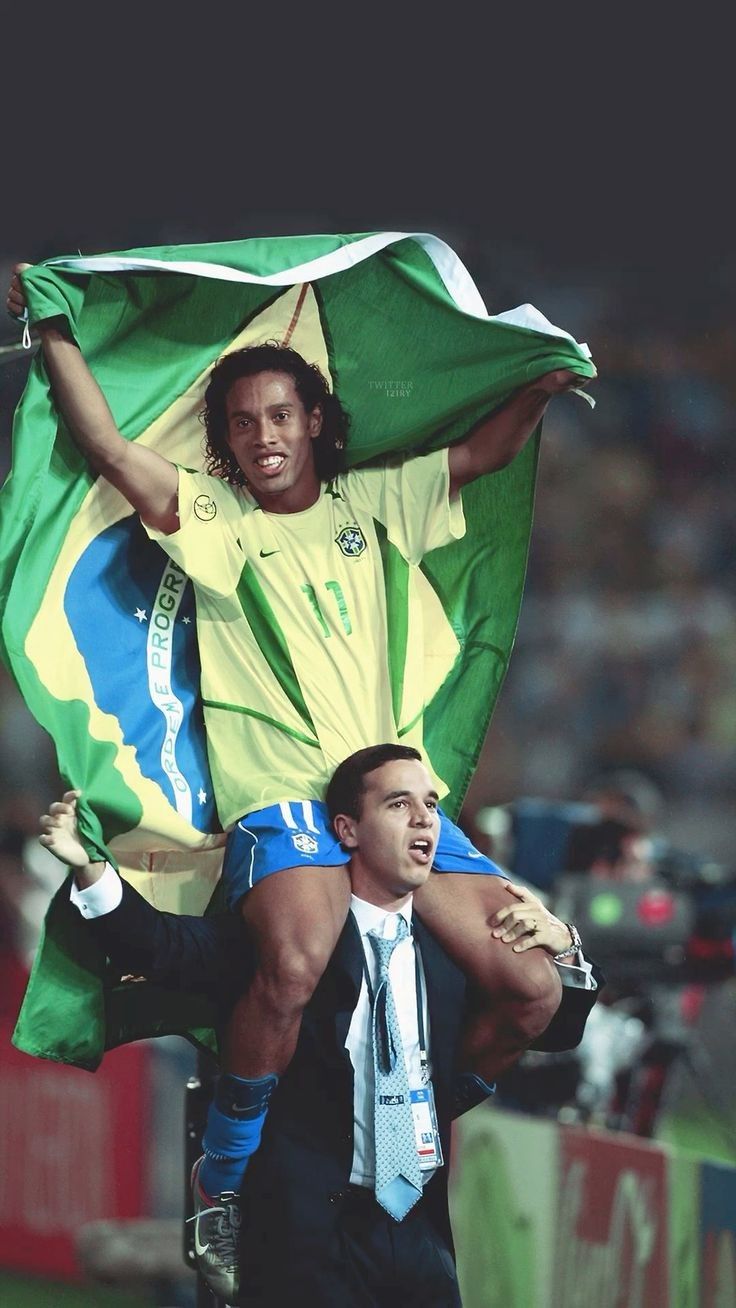
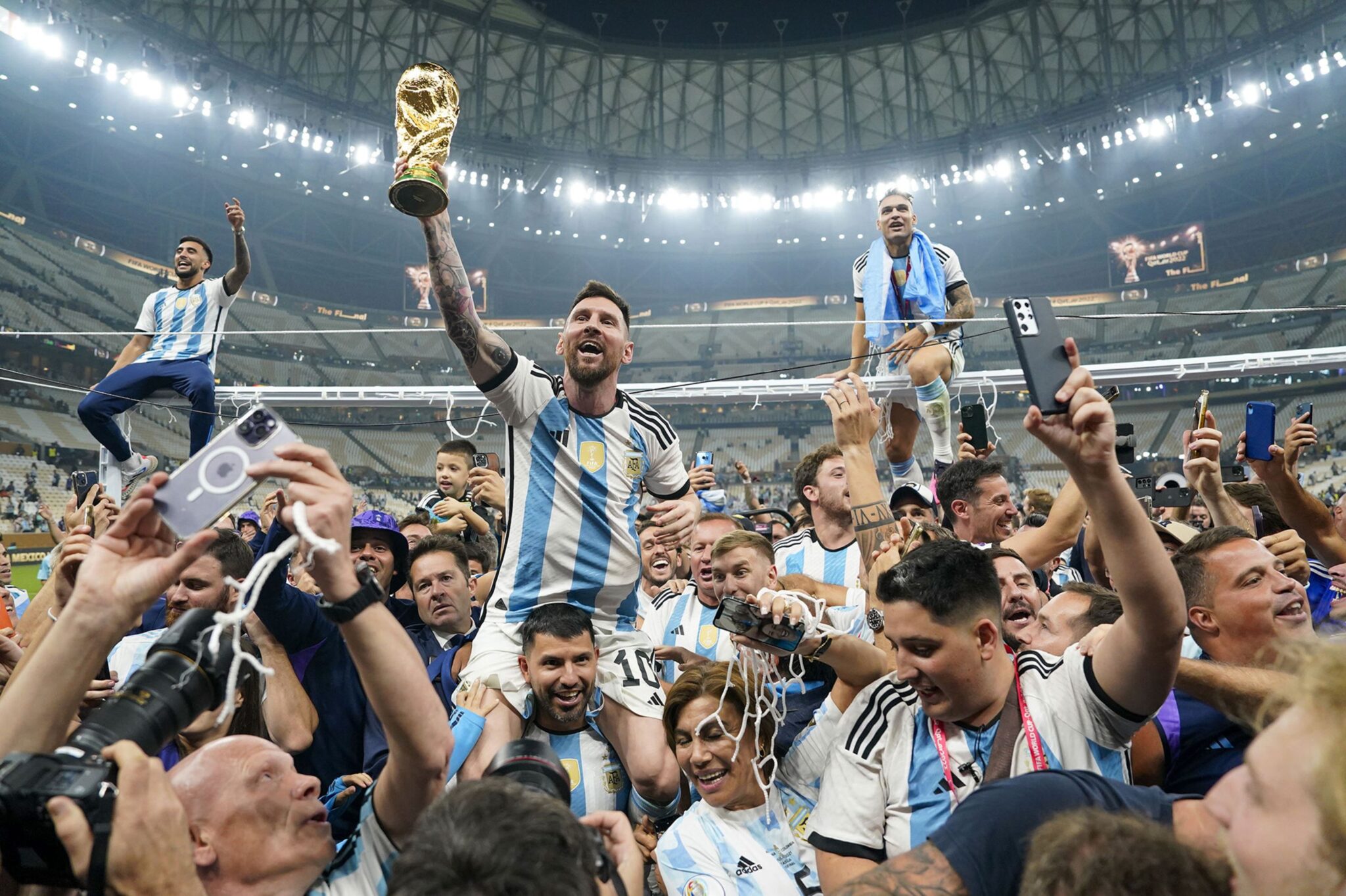
By the early 20th century, football had already taken root across Europe and South America. Countries like Brazil and Argentina embraced the sport and made it their own, blending local flair with the basic structure developed in England. International competition added fuel to the fire. The creation of the FIFA World Cup in 1930 gave nations a stage to compete and fans a reason to care beyond local clubs. It turned football into something larger than a game. It became a source of national pride.
The real acceleration came with technology. Radio broadcasts first allowed fans to follow matches without being there. Television then transformed football into a spectacle. Iconic moments reached millions instantly, creating shared experiences across borders. Later, satellite TV and the internet pushed the game into every corner of the globe. Leagues like the Premier League became international products, with matches watched from Lagos to Jakarta. Star players turned into global celebrities, their influence extending far beyond the pitch.
Money followed attention. Sponsorship deals, broadcasting rights, and merchandise created an economic engine that kept growing. Clubs became brands. Stadiums expanded. Youth academies developed talent pipelines that fed into professional systems. Football was no longer just entertainment. It became an industry worth billions. At the same time, its grassroots nature never disappeared. In many parts of the world, informal games in streets and fields still mirror the sport’s earliest days.
There is also something harder to measure. Football carries emotion in a way few sports manage. It can unite communities or divide them, spark joy or heartbreak in a matter of seconds. That emotional pull keeps people coming back. It does not rely on complex rules or niche appeal. Anyone can understand it within minutes, and that universality has been key to its spread.
Experts often point to timing as well. Football grew alongside urbanisation, industrialisation, and mass media. It was ready when the world became more connected. Other sports developed too, but few matched football’s combination of simplicity, drama, and global reach. Even today, its growth has not really slowed. New markets continue to engage, and international tournaments draw ever larger audiences.
There are challenges ahead. Concerns about governance, financial inequality, and player welfare are becoming more prominent. Some fans worry the game risks losing touch with its roots as money continues to dominate decision making. Still, its core appeal remains strong. Children are still kicking balls in the street, dreaming of something bigger.
Football’s rise was not a single moment but a series of shifts that built on each other over time. From industrial England to global stadiums, it adapted to the world as the world changed. That ability to grow without losing its essence is what turned it into the biggest sport on the planet, and it is likely what will keep it there for years to come.
Keep in touch with our news & offers
Subscribe to Our Newsletter
Thank you for subscribing to the newsletter.
Oops. Something went wrong. Please try again later.