The World Cup final featured a controversial half-time show, blending football with entertainment, generating varied responses from fans and players alike.
The World Cup final featured a controversial half-time show, blending football with entertainment, generating varied responses from fans and players alike.
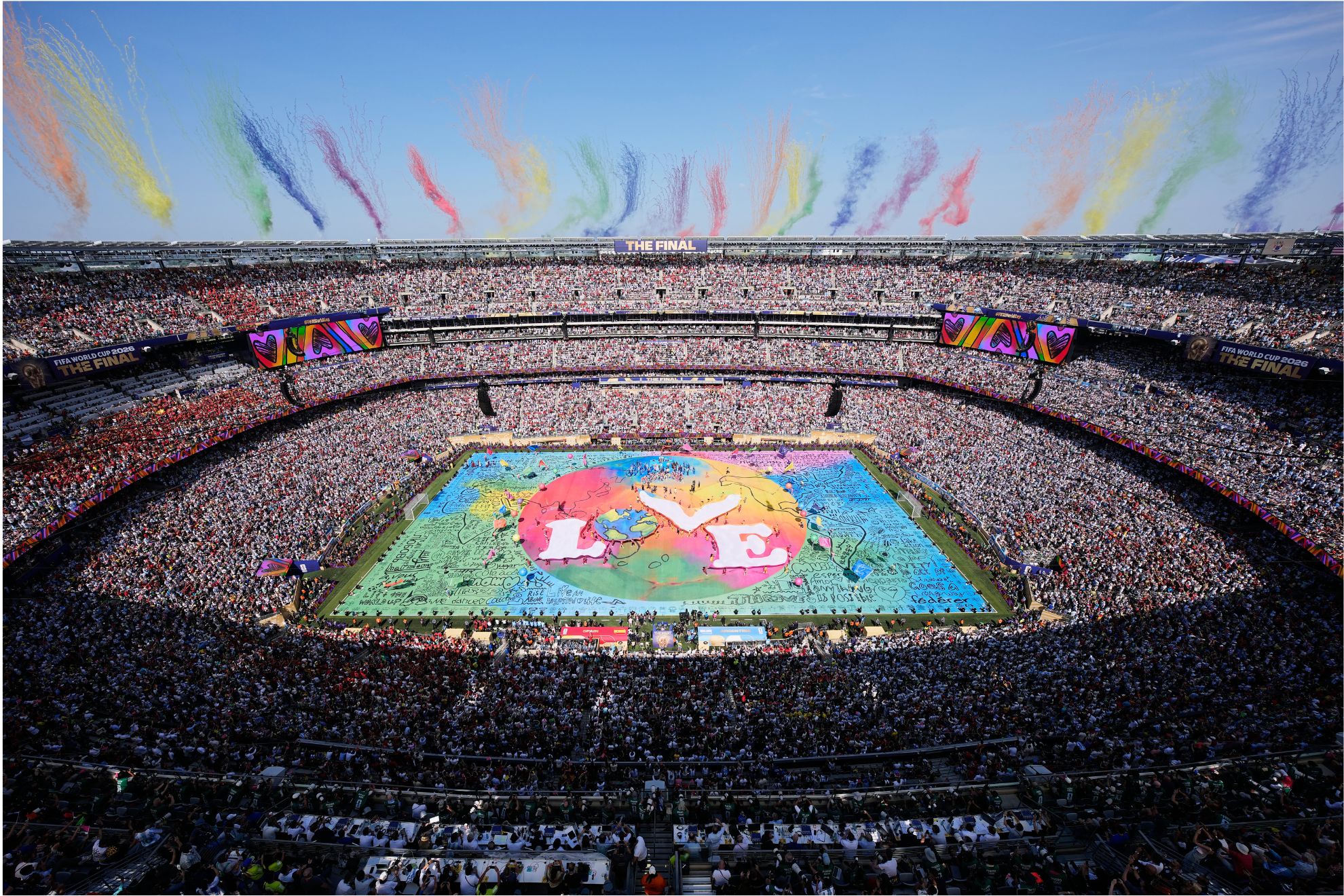
The World Cup final introduced an unprecedented half-time show, marking a departure from traditional football. The event featured Justin Bieber performing while fans watched, creating a spectacle that left many questioning its necessity.
The performance unfolded with pre-recorded segments and appearances from icons like Ronaldinho and Madonna. Ronaldinho’s playful energy and Madonna’s timeless hit “Music” provided levity, yet the overall tone felt disjointed to some viewers, as major football moments were overshadowed.
Bieber’s rendition of “Everything Hallelujah” evoked mixed feelings. The contrast against the high-energy performances of K-Pop band BTS and Shakira/Burna Boy created a lull that some described as disappointing.
“Baby, we find love in these moments,” Bieber sang. Yet, many viewers yearned for the return of the game’s flow, as critical plays lingered in suspense during the lengthy 27-minute intermission.
There were highlights, particularly the lively football-themed performances, such as Shakira and Burna Boy’s collaboration, which resonated with fans enjoying the tournament’s 104 matches. Moments like Venezuelan conductor Gustavo Dudamel leading an orchestra in a rendition of “Seven Nation Army” engaged football fans, yet the surrounding acts raised eyebrows.
Former England player Wayne Rooney did not hold back in his criticism, stating, “The best part was when it finished.” His sentiment mirrored that of many who felt the entertainment detracted from the match’s integrity.
The rationale behind the extended show seems rooted in audience engagement, a strategy that has proven lucrative in American sports. FIFA’s choice to prioritize viewership and revenue raised eyebrows, especially given the rich traditions of football.
This fresh approach to halftime entertainment raises questions about the future of football and whether it should adopt permanent changes. Fans express unease about sacrificing the sport’s fundamentals for commercial gain.
As the World Cup unfolds, the debate surrounding halftime shows continues. Many hope that essential football traditions will remain intact, allowing fans to experience the game without distraction.
Keep in touch with our news & offers
Subscribe to Our Newsletter
Thank you for subscribing to the newsletter.
Oops. Something went wrong. Please try again later.