Severe wildfires in France cause evacuations and toxic air, raising serious health concerns for residents in affected areas.
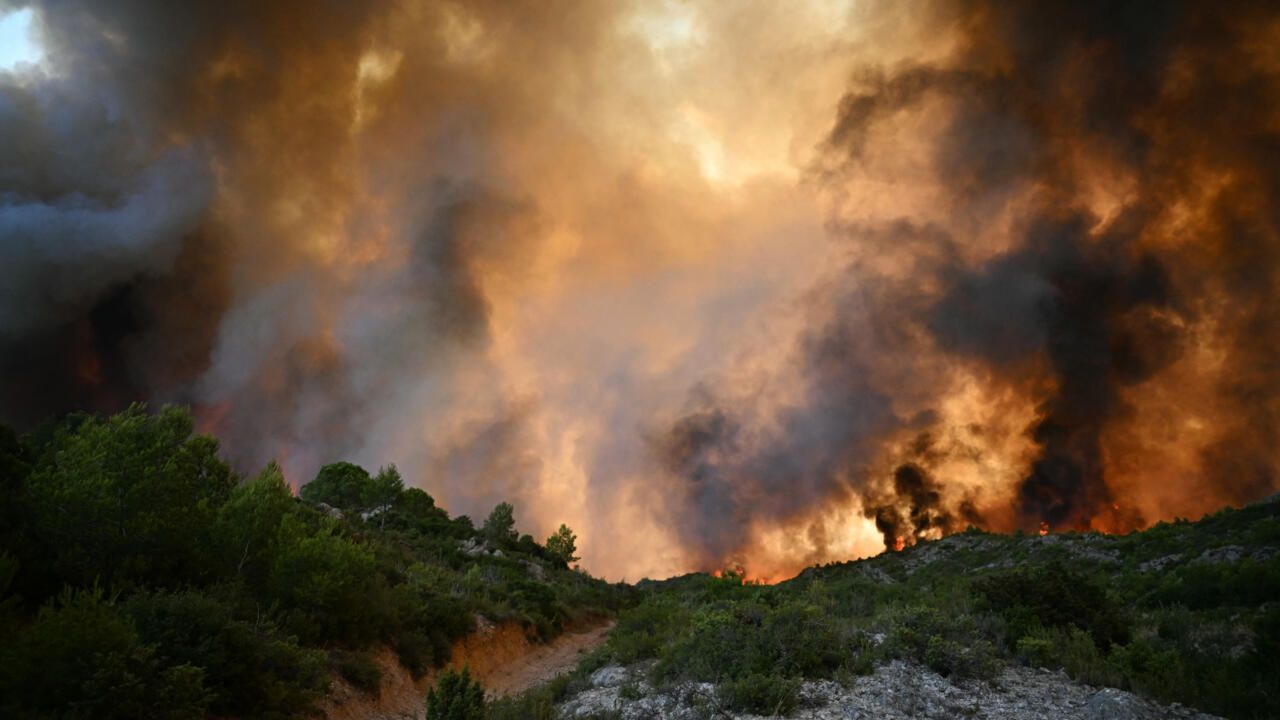
Severe wildfires in France cause evacuations and toxic air, raising serious health concerns for residents in affected areas.
The ruinous fires that overran parts of France this summer have burned more land than ever recorded, forcing more people from their homes than at any point since the Second World War and causing what scientists suspect is the country’s first firestorm thundercloud. The smoke from France’s biggest inferno in nearly 80 years choked Limoges, a city 125 miles (200 km) from the flames, with more toxic dust than Delhi residents inhaled on the city’s worst day of smog last year.
The blaze that tore through forests outside Bordeaux in late July took just a few weeks to reforge France’s relationship with fire, but the conditions behind it were centuries in the making. In the 18th century, the coastal wetlands of southwestern France were so swampy that shepherds used stilts to cross them in winter. When an 1857 decree from Napoleon III forced landowners to drain the marsh and populate it with maritime pines, the water-logged landscape was converted into Europe’s largest human-made forest, becoming a regional economic engine running on timber that employs 30,000 people.
However, the pine trees that make up 90% of the Landes forest hold resin that burns like petrol, and needles that carpet the ground with flammable material. The dense monoculture can burn with fury when sparks catch, as evidenced by the 1949 blaze that began in a sawmill, burned 50,000 hectares, and killed 82 people.
Firefighting capacity has vastly improved since then, but disaster potential has continued to increase. Humanity has contributed to the atmosphere with 1.85 trillion tonnes of carbon since that 1857 decree, warming Europe by 2.4C and increasing the risk of hot and dry extremes.
A strikingly wet winter in western Europe aided plant growth, but relentless heatwaves stripped them of moisture, creating a large fuel surplus. By mid-July, temperatures across France had reached record highs, setting the stage for the Gironde inferno. After three weeks of over 30C heat, smoke rose from the packed pine stands near Saumos, a village 20 miles west of Bordeaux.
Enedis, a utility company, reported a faulty machine sparked the fire, with the Bordeaux public prosecutor identifying it as a leading line of inquiry. French police have arrested nearly 500 on suspicion of starting fires this summer, with about 70% thought to be deliberate.
Once ignited, geography dictates whether a fire will wither or escalate. The blaze engulfed thousands of hectares within hours, reaching La Porge, where one in ten homes were lost. By the next day, the fire had spread to Cap Ferret, an upmarket area. Criticism arose over the response, as local forestry workers claimed their recommendation for a controlled burn was rejected. Meanwhile, residents alleged that resources were drawn away from their village to protect wealthier areas.
Bruno Lafon, head of the regional forest fire prevention service, acknowledged the frustrations of those who lost their livelihoods but emphasized that the combination of drought, heat, and wind made it hard to stop the rapid spread. Only seven of France’s 12 water-bombing planes were available at the peak due to maintenance work, prompting further criticism.
Start evacuating people began on 22 July, starting with 100 residents and swelling to 220,000 by the end of the week. This peacetime displacement was unprecedented in Europe, but it resulted in no direct casualties from the Gironde fire. However, four firefighters lost their lives tackling separate blazes.
Among the evacuees was forest scientist Hervé Jactel, who lost a 20-year experiment and stated that the fire conditions were expected due to climate factors and the homogeneity of fuel sources.
Scientists suspect these conditions resulted in extreme energy levels, creating a pyrocumulonimbus cloud that can generate its own weather system. Despite the initial danger, the greatest risks may lie ahead, particularly as fire weather continues to worsen in Europe due to ongoing carbon pollution.
Experts are advocating for rapid cuts to greenhouse gas emissions and improved land management to mitigate future wildfire risks.
Keep in touch with our news & offers
Subscribe to Our Newsletter
Thank you for subscribing to the newsletter.
Oops. Something went wrong. Please try again later.