Severe wildfires in northern Algeria have claimed at least 12 lives, with dozens injured, as a heatwave persists in the region.
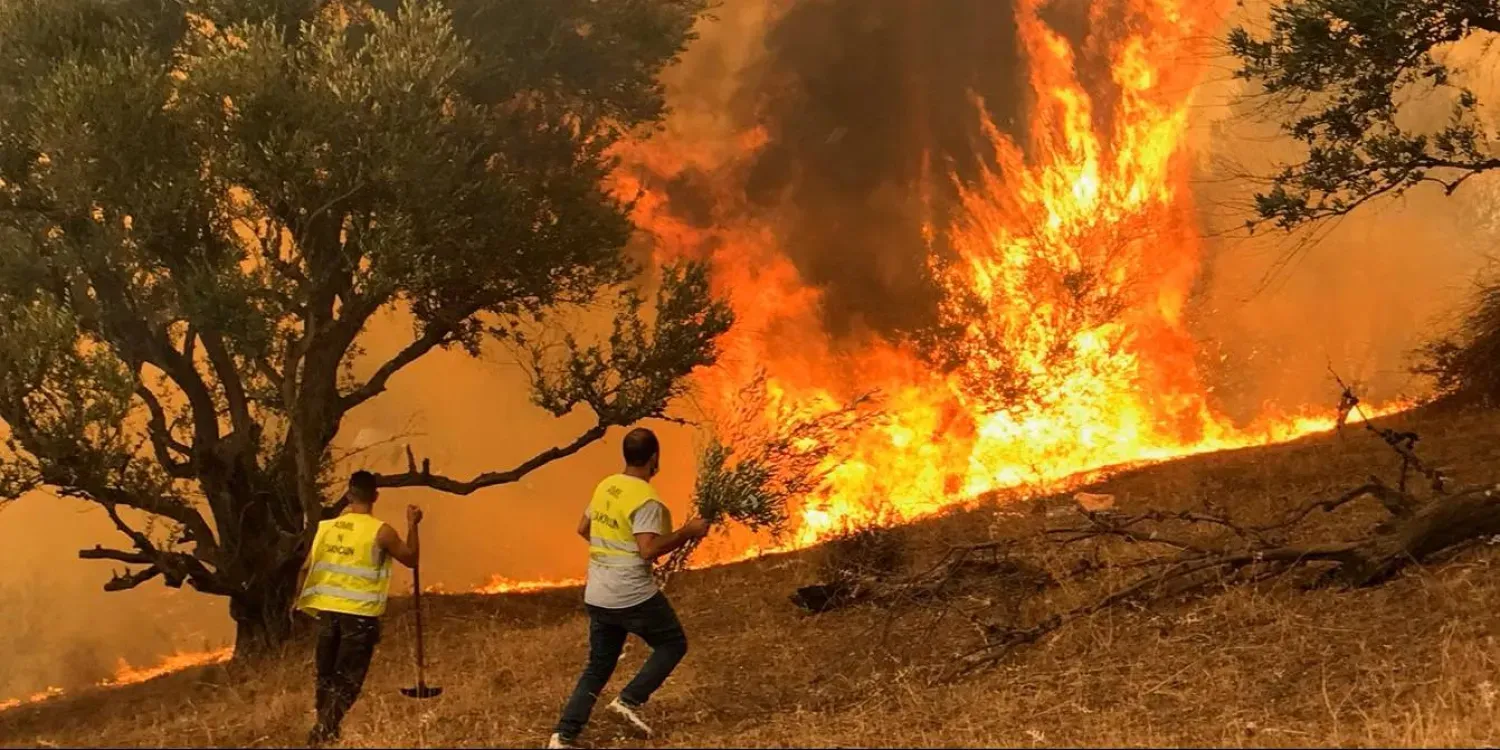
At least 12 people have died and many more have been injured due to wildfires raging across northern Algeria this summer. According to civil protection authorities, a series of blazes have spread through several provinces along the country’s northern coastline.
The Interior Minister, Said Sayoud, reported that at least 54 individuals suffered burn injuries, with six receiving intensive care. The fatalities were reported from several regions, with five casualties in Jijel province, four in Bejaia, and three in Tizi Ouzou.
Sayoud has traveled to Bejaia alongside the Algerian Health Minister, Mohamed Seddik Ait Messaoudene, to evaluate local firefighting and evacuation efforts as the situation escalates. Numerous homes in Bejaia and Jijel have already been evacuated, as confirmed by local media and civil protection agencies.

The firefighters currently face the daunting task of battling 69 active blazes throughout Algeria, highlighting the scale of this crisis. The Bejaia region has seen its share of devastating fires before, as recent history shows that more than 30 deaths were recorded in similar circumstances about three years ago.
Last month, the region was plagued by additional fires, resulting in at least six further fatalities, while firefighting crews dealt with over 2,000 blazes across the country during July alone. Though Algeria is no stranger to wildfires during the summer, experts assert that climate change has significantly intensified the severity and frequency of these incidents.
Amid rising temperatures, the World Meteorological Organization (WMO) has noted that extreme heat has become increasingly prevalent in North Africa, which is warming at a stunning rate of 0.43 degrees Celsius per decade from 1991 to 2025. This unsettling trend has contributed to additional problems, including a reported surge in camel deaths as the region experiences worsening heatwave conditions.
Consequently, local authorities expect further challenges from sustained extreme weather patterns as they work to control the wildfire situation.