US conducts military strikes on Iranian targets after an armed drone attack on a cargo ship in the Strait of Hormuz. No casualties reported.
The US military has conducted airstrikes on Iranian targets following President Donald Trump’s accusation of a “foolish violation” of its truce after an attack on a cargo ship in the strategically critical Strait of Hormuz.
No casualties were reported in Thursday’s incident, where a one-way attack drone struck the vessel, leading to plans for the evacuation of thousands of sailors in the area.
In a response to the attack, US Central Command announced on Friday that it had targeted missile and drone storage facilities as well as coastal radar positions. As of now, Iran has not commented on the strikes.
Before the strikes were detailed, Trump hinted at military action in response to the Iranian aggression, stating, “you’ll see” when asked if the US would retaliate.

US Central Command, known as Centcom, described the airstrikes as “a powerful response” to the drone attack, stating that Iranian forces had engaged in “unwarranted aggression” against commercial shipping, clearly breaching the ceasefire agreement.
“Iran’s dangerous behavior undermined freedom of navigation as commerce increasingly flows through this vital international trade corridor,” said Centcom in a statement.
The US military reiterated its commitment to ensuring safe passage for commercial vessels navigating the strait.
It remains uncertain whether the US strikes are a singular response or part of a more extensive military strategy. Tensions have escalated since the end of February when US and Israeli attacks against Iran commenced, effectively blocking the strait which is crucial for oil and gas shipments, leading to increased global oil prices and a halt on other essential commodity shipments.
On June 17, the US and Iran had reached an agreement to cease hostilities under a 14-point memorandum of understanding, which emphasized Iran’s responsibility for the safe passage of commercial vessels without any charges for 60 days.
Vice-President JD Vance, following the strikes, remarked on social media that Iran could communicate any disagreements regarding the memorandum directly but warned, “violence will be met with violence.”
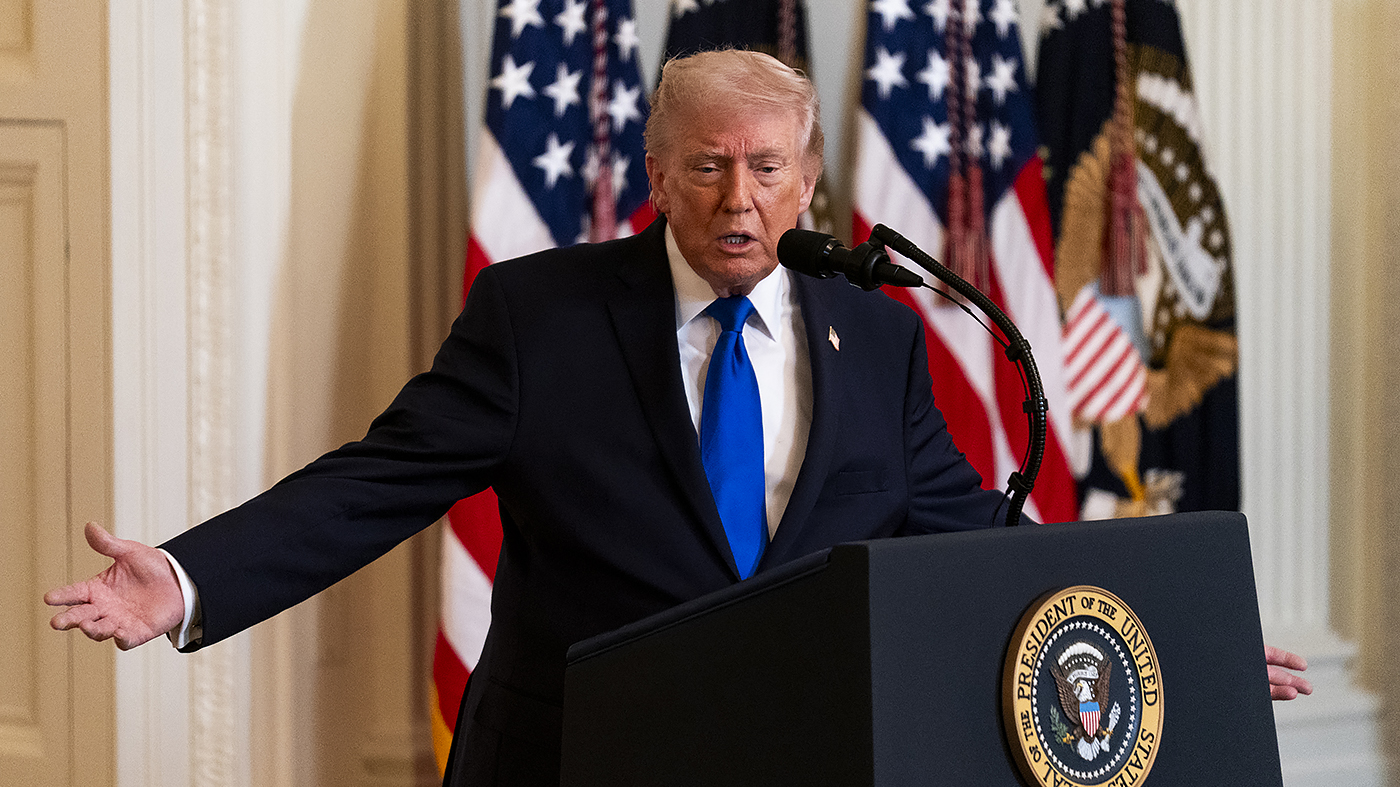
At a press briefing, Trump refrained from clarifying how the US might respond to the drone attack, or whether he considered the ceasefire to still be in place. “You’ll find out,” he stated, while expressing displeasure at Iran’s recent actions, suggesting, “they shouldn’t be doing that.”
Ahead of the incident, Trump and various US officials had indicated that negotiations with Iran were making headway, asserting that Iran had halted any intention of charging fees for vessels passing through the Strait of Hormuz.
Trump had expressed that Iran informed the US of “no tolls, no insurance costs and no other charges of any kind being sought or received.” He added, “If this is false information, negotiations would end, immediately.”
The US has condemned reports alleging that Iran was charging fees to tankers traversing the strait, with many viewing a tolling system as contradicting international maritime law.
Negotiations between Iranian and Omani officials were conducted in Muscat recently, aimed at discussing the “future management of navigation.” However, the Omani Foreign Minister emphasized both nations’ commitment to “toll-free safe passage.”
Conversely, Iran’s chief negotiator, Mohammed Bagher Ghalibaf, conveyed to state-affiliated media that “everyone should know that the administration of the Strait of Hormuz will never revert to the condition it was in prior to the war.”
The cargo ship targeted in the Thursday attack was the Ever Lovely, registered under Singapore’s flag. According to the British maritime security agency UKMTO, the incident occurred 7.5 nautical miles southeast of Oman’s port of Dahit.
Evergreen, the ship’s owner, confirmed that the Ever Lovely was following the recommended route when struck and reported that all crew members remained safe, alongside the vessel and its cargo.
Following the attacks, the UN’s International Maritime Organization announced it had paused plans to evacuate over 11,000 stranded sailors from this pivotal shipping lane since the outbreak of conflict.
The conflict, which commenced on February 28, has caused fuel prices to surge as it disrupts energy production and transportation across the Middle East.