U.S. Soccer discusses plans to transform youth development post-2026 World Cup, targeting better access and alignment across communities.
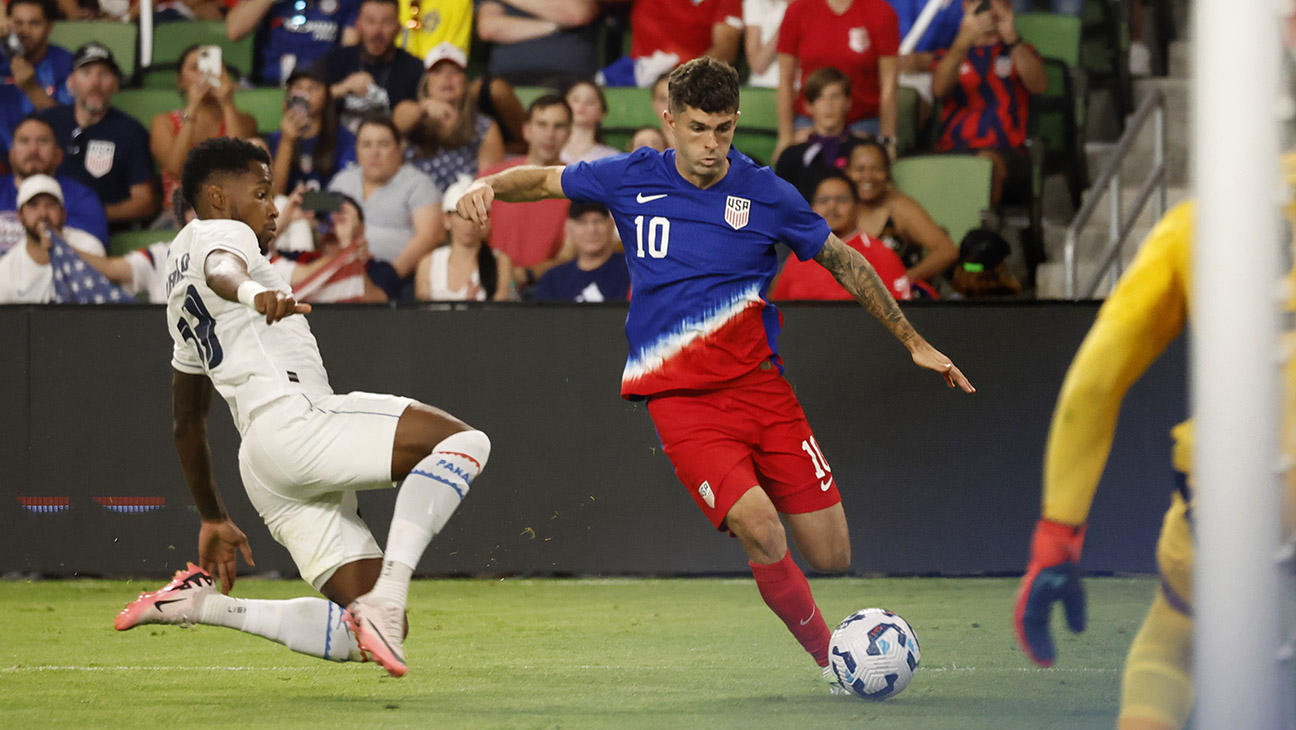
U.S. Soccer discusses plans to transform youth development post-2026 World Cup, targeting better access and alignment across communities.
As the dust settles after the 2026 World Cup, U.S. Soccer faces a pivotal question: what comes next for American soccer?
In Atlanta, Arsene Wenger, the influential former Arsenal manager, sits at the head of the table evaluating the newly opened Arthur M. Blank U.S. Soccer National Training Center. He admires both the visual appeal of the facility and its functional potential. “For me, it all starts out there,” he remarks, envisioning endless possibilities.
Despite the shiny multimillion-dollar training center, Wenger warns that such physical infrastructure alone cannot address the core issues plaguing American soccer, especially the entrenched pay-to-play model. During a meeting with U.S. Soccer officials, he underscores the need for comprehensive reforms. “You don’t fix technical problems with more fields,” he asserts.
Navigating into a new phase, U.S. Soccer leadership, including CEO JT Batson and COO Dan Helfrich, understands they must capitalize on the momentum created by the World Cup. “The 2026 World Cup has been incredibly successful and has fundamentally changed the trajectory of the sport in the United States,” says Batson, eager to build on this success.
Both leaders agree that a unified plan is paramount for elevating soccer in the U.S. Helfrich highlights the necessity of improving accessibility and affordability, aligning the youth system, and raising coaching standards. “We want to make soccer the No. 1 sport played in every American community,” he notes, adding that the challenges ahead are demanding yet essential.
Wenger contributes a crucial perspective, urging that early talent development is pivotal. “You cannot start at 14 years of age and become an international player,” he emphasizes, advocating for soccer education to begin as early as five or six years old.
The cultural landscape surrounding soccer, he points out, also needs transformation. Historically, American sports favor those that involve hands—skills that translate well across multiple games. In contrast, soccer requires specialized, early education.
Wenger believes that the American model requires a unique approach, contrasting it with the soccer systems in other countries. Batson agrees, stating, “A plan has to be an American plan.” Drawing parallels with basketball, he notes that taxpayer funding has made courts widely available. U.S. Soccer aims to create a similar environment for soccer.
The fragmentation of U.S. soccer has been a longstanding concern, with numerous stakeholders complicating development. Both Batson and Helfrich stress the importance of aligning these avenues. “We’re making progress on establishing a more unified pathway for boys and girls in local and regional play,” Helfrich says.
As the organization embarks on this ambitious journey, Wenger remains cautiously optimistic. He recalls conversations with NBA Commissioner Adam Silver about the global talent influx into the NBA. “The education in Europe has taken charge,” Wenger explains, highlighting how centralized academies have fostered talent. He envisions a parallel in American soccer development.
However, the obstacles differ for the U.S. compared to nations with fewer resources. Wenger regards talent identification and qualified coaching as critical elements for success. He expresses hope that tangible results will emerge within five to six years, but patience will be essential in this transformative endeavor.
Ultimately, U.S. Soccer’s goal is not merely to reform existing systems but to design a new, streamlined system focused on accessibility and quality. As Wenger emphasizes, the collective effort spans beyond brick-and-mortar facilities; it involves a cultural shift and a fundamental change in approach to nurture soccer talent across the nation.
The historic loss of the U.S. Men’s National Team at the World Cup ignited discussion on pay-to-play, but Batson feels a renewed energy surrounding the pursuit of soccer excellence. The potential for change is palpable. If executed effectively, this ambitious strategy could redefine the future of American soccer, pushing it toward its goal of becoming a contender on the world stage.
Keep in touch with our news & offers
Subscribe to Our Newsletter
Thank you for subscribing to the newsletter.
Oops. Something went wrong. Please try again later.