US factory orders fell unexpectedly in June, while demand in other sectors remained robust as businesses invest in AI infrastructure.
US factory orders fell unexpectedly in June, while demand in other sectors remained robust as businesses invest in AI infrastructure.
New orders for U.S. factory goods saw an unexpected decline in June, highlighting a shift in the manufacturing landscape. According to a report released on Friday, orders dropped by 2.3%, marking a significant downturn from previous forecasts that anticipated stability in the sector.
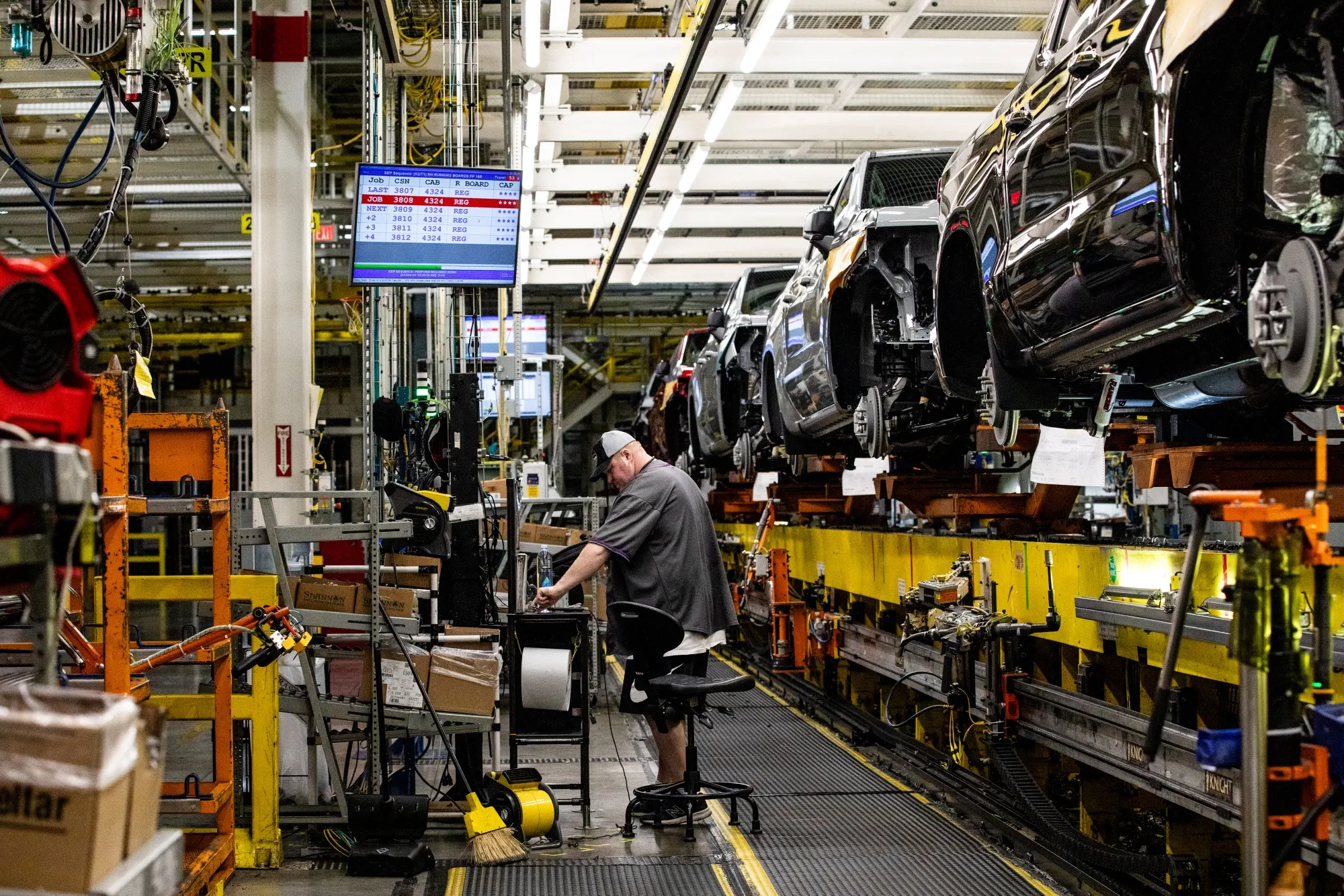
The downturn was attributed to a steep decline in orders for transportation equipment, particularly a sharp 16.8% drop in orders for motor vehicles and parts. This contributed significantly to the overall decrease, as the automotive sector has faced multiple challenges throughout the year.
However, it wasn’t all sobering news. Analysts pointed out that demand in other sectors remained robust, particularly as businesses continue to ramp up investment in artificial intelligence infrastructure. This growing interest in AI technology is spurring a wave of investment that could help counterbalance some of the manufacturing losses.
Despite the overall decline in new orders, the total number of orders in other sectors suggests that companies are maintaining a forward-looking perspective. Core capital goods orders, which exclude aircraft and defense, rose by 0.3% in June, demonstrating that companies are still willing to invest in capital expenditures.
Overall, the numbers reveal a complex picture for U.S. manufacturing. Following a robust first quarter, the sector now faces headwinds that may affect production and future growth. Industry experts are closely monitoring productivity rates, hoping for a bounce back as supply chain issues begin to alleviate and consumer demand stabilizes.
As the market re-evaluates its strategies, businesses are likely to adapt their investments accordingly, taking into account the current economic climate. With AI at the forefront of many investment decisions, future trends may lead to an unexpected resilience in sectors tied closely to technological advancements.
Keep in touch with our news & offers
Subscribe to Our Newsletter
Thank you for subscribing to the newsletter.
Oops. Something went wrong. Please try again later.