The US Air Force’s B-52 modernization program is billions over budget amid significant challenges, with production starting soon according to a recent GAO report.
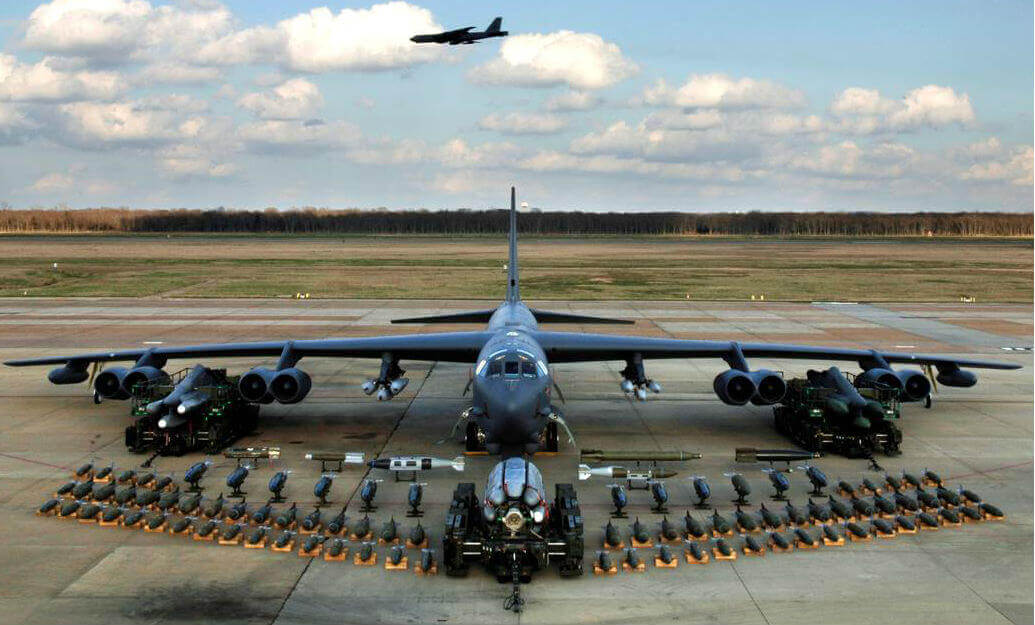
The US Air Force’s B-52 modernization program is billions over budget amid significant challenges, with production starting soon according to a recent GAO report.
The B-52 Stratofortress modernization program, a key part of the US Air Force’s strategic capabilities, has encountered severe cost and scheduling challenges, leading to billions of dollars in overruns. This alarming finding comes from a recent report by the Government Accountability Office (GAO), which details the status of the modernization and sustainment efforts for the aging bomber fleet.
As part of its efforts to maintain operational effectiveness into the 2050s, the Air Force is focusing on replacing the decades-old engines of the B-52s, but these upgrades are significantly delayed and more expensive than anticipated.
The GAO report reveals that out of the 13 upgrades slated for the B-52, 10 of them are currently facing challenges related to cost, scheduling, or performance. The most pressing issue is with the Commercial Engine Replacement Program, which has experienced an alarming increase of about $3 billion in costs since 2023. Additionally, the expected operational date for this particular upgrade has been postponed by more than 15 months.
The report raises concerns about the Air Force’s decision to start production with limited developmental flight testing, suggesting that the program could be poised to face further significant difficulties. The report comments on the complexities involved, stating, “Work on one program may involve moving hardware on the aircraft that relates to work to be completed by other modernization programs.” This overlap complicates the overall effectiveness of the upgrades.
Despite the challenges outlined in the GAO’s findings, officials underscore the importance of the B-52 modernization program for maintaining national defense capabilities. Vice Admiral Richard Correll, who previously served under the Trump administration, described these upgrades as “essential” for ensuring that the B-52s can effectively fulfill their strategic deterrence missions. He noted that the integration of new technologies and the updated engines will essentially transform the B-52 into what can be regarded as a “new airplane.”
As the modernization program develops, the Air Force has continued to demonstrate the B-52’s versatility and relevance in modern combat. Earlier this year, the aircraft successfully performed overland bombing missions in Iran, emphasizing its operational capabilities even amid modernization efforts. Air Force Gen. Dan Caine remarked on the impact of these missions, stating, “Over the past 30 days, we’ve struck more than 11,000 targets. Given the increase in air superiority, we’ve successfully started to conduct the first overland B-52 missions, which allow us to continue to get on top of the enemy.”
Conversations regarding the B-52’s modernization occur in the context of broader concerns among defense experts and lawmakers about the aging and shrinking fleet of the nation’s air assets. The urgency surrounding these upgrades highlights the ongoing need for a robust and effective air force capable of addressing contemporary threats.
Keep in touch with our news & offers
Subscribe to Our Newsletter
Thank you for subscribing to the newsletter.
Oops. Something went wrong. Please try again later.