Ukrainian troops are receiving training in Poland with a focus on realism, using methods that mirror their battlefield experiences.
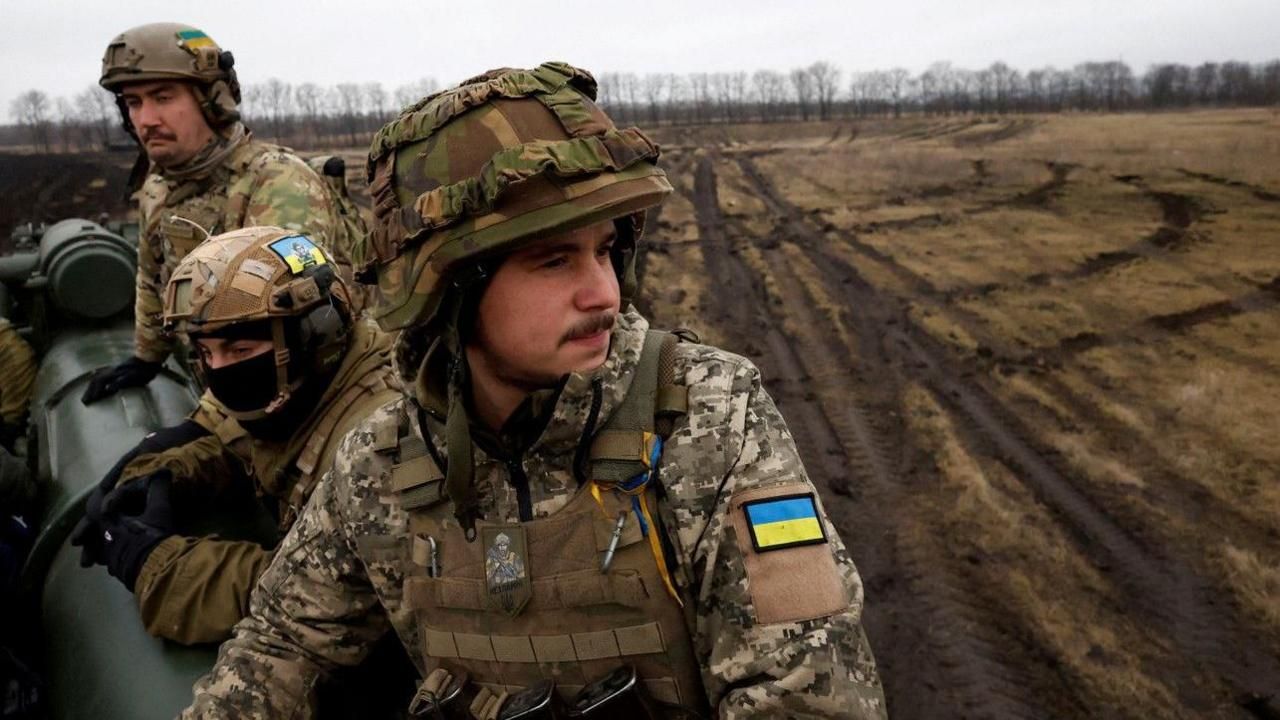
Ukrainian troops are receiving training in Poland with a focus on realism, using methods that mirror their battlefield experiences.
Western trainers are endeavoring to recreate Ukraine’s battlefields on NATO soil to ensure the training for its soldiers is as realistic as possible. Ukrainian troops play a crucial role in helping them achieve this goal.
As part of Norway-led Operation Legio, Western militaries are training Ukrainian soldiers at a specialized facility in Poland. The setup includes shooting ranges, trench networks, tank fields, and urban and rural fighting positions designed to mimic the battlefield conditions they face in combat.
Maj. John, the S3 Operations Officer overseeing the training operation, stated that the goal is to replicate the terrain in Ukraine along with the tactics and equipment that Russia employs in combat. The training’s foundation has been shaped by Ukraine’s needs and battlefield experiences, with Ukrainian officials stressing the importance of realism in initial meetings. Due to security concerns, he requested to be identified only by his first name.
Before the first training rotation commenced last year, there was a meeting specifically focused on ensuring the training could be conducted realistically. Feedback from Ukrainian officials indicated that initial efforts were deemed “not good enough.” “We had to revise and change the training program to fit their current operational needs,” John explained.
The location of the camp is beneficial, situated roughly two hours from the Ukrainian border, allowing for direct dialogue with Ukrainian partners. John characterized the facility as a “Ukrainian training center,” emphasizing that Ukraine dictates the training necessities, utilizes its instructors alongside Western trainers, and incorporates lessons learned from the ongoing conflict into the curriculum.
Ukrainians can hold the trainers accountable for instilling realistic training standards. Deep trenches reflecting those found in Ukraine have been constructed in the Polish landscape, either built by Ukrainian soldiers or based on their guidance. Brigadier Atle Molde, the commander of Task Force Legio, noted that the trench network has already undergone revisions since becoming operational less than a year ago.
To keep pace with the rapidly evolving battlefield, Ukrainian commanders and instructors are integrated into training rotations, providing updates on effective strategies and necessary changes. Central to the training’s realism is the assurance that soldiers practice with the same gear they would utilize in actual combat scenarios.
According to John, there is a close dialogue with Ukrainian counterparts regarding the specific equipment used by infantry, including assault rifles, night vision goggles, and thermal sights. The objective is to recreate an authentic training environment that mirrors combat conditions.
Drones play a vital role in the exercises. While Western militaries refrain from teaching drone piloting skills, as Ukrainian forces are already proficient, the integration of drones is essential for realistic training. Their presence, which has fundamentally altered the nature of combat, must be incorporated into training exercises in Poland.
Training also includes ground robots that Ukrainian forces are increasingly utilizing. In this instance, Molde mentioned that Ukrainian soldiers are teaching the Western trainers about the operational use of these systems.
Moreover, Western troops are employing tanks, armored vehicles, and motorcycles during training, simulating enemy tactics to prepare Ukrainian soldiers for actual frontline experiences. The trainers aim to replicate the sensations of combat as closely as possible, utilizing systems that capture hits and small explosive charges to simulate incoming attacks.
John explained, “When a drone has an impact, we also have a demolition charge in the ground so it actually explodes.” The site adheres to a practical assessment approach to risk; at the training center, risk is treated as a real and immediate concern.
Ultimately, while no training site can wholly recreate the chaos, risk, and fear present in true combat, the objective is to come as close as possible. John stated, “The goal isn’t necessarily to recreate everything perfectly, but we should strive to give realistic experiences that everyone on the course can take back to the war.”
The commitment to delivering a realistic training experience extends beyond terrain and equipment. John noted that initial designs for the platoon leader course were based on Norwegian standards but were revised to reflect Ukrainian operational practices. Small adjustments were made to tailor the course to Ukrainian contexts.
The training program respects the combat-experienced Ukrainian soldiers and commanders, acknowledging that in certain warfare areas, Ukrainian forces have surpassed the knowledge of the trainers. In turn, Norway is learning valuable tactics and equipment lessons to bring back to its own military.
As John emphasized, the ultimate goal is to combine Western best practices with the expertise of Ukrainian soldiers to improve their “lethality and survivability,” aiding Ukraine in its ongoing fight or helping position it for negotiations on favorable terms.
Keep in touch with our news & offers
Subscribe to Our Newsletter
Thank you for subscribing to the newsletter.
Oops. Something went wrong. Please try again later.