Ukrainian special operators ramp up infiltration missions as the drone-infested kill zone expands, leading to more tactical adjustments against Russian forces.
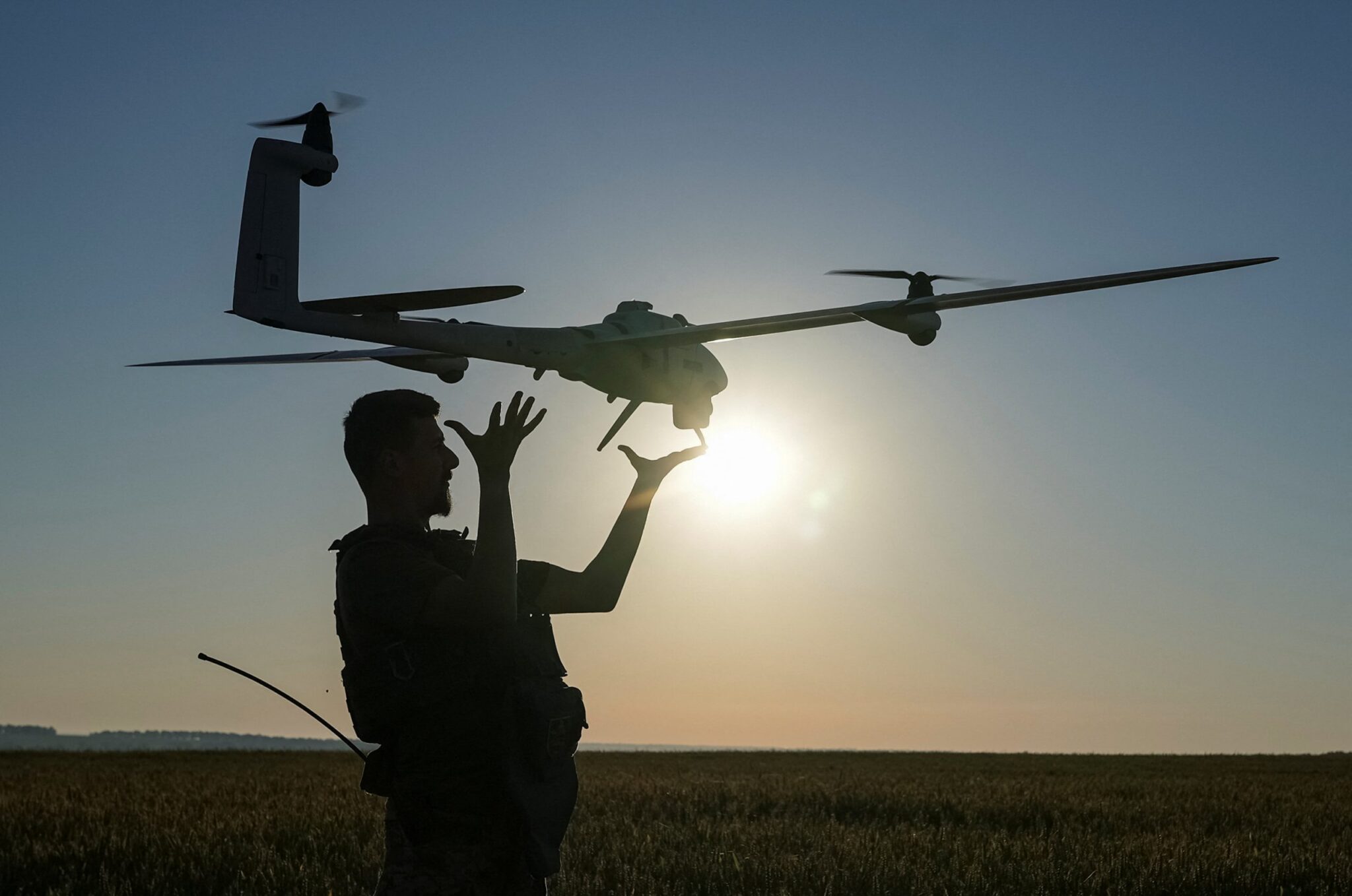
Ukrainian special operators ramp up infiltration missions as the drone-infested kill zone expands, leading to more tactical adjustments against Russian forces.
Elite Ukrainian special operators are intensifying infiltration missions into Russian-held territory as the increasingly drone-infested kill zone poses challenges for larger military maneuvers. This strategic shift allows small teams of soldiers to stealthily advance behind enemy lines for raids and tactical assaults.
In recent remarks from a member of the 4th Ranger Regiment—who requested anonymity and goes by the call sign “Gur”—it was stated that the frequency of these missions has surged over the past year. “The number of missions has increased,” he confirmed, underscoring the urgent adaptations required by Ukrainian forces.
The term “kill zone” has become prevalent among Ukrainian soldiers to describe the frontline situation, characterized by the proliferation of drones capable of quick strikes on exposed troops and equipment. It typically stretches 10 to 20 kilometers from the line of contact with an expanding perimeter making maneuvers riskier. Drones account for about 90% of all battlefield strikes, compelling Ukrainian commanders to rethink tactical operations.
As the kill zone widens, Gur indicated that operators are confronted with similar challenges posed by Russian infiltration. “They’re using our tactics as well,” he noted, explaining that Russian forces have also adopted infiltration strategies, operating in small groups to cause disruption. This has forced Ukrainian teams to adjust their focus to managing these new threats in addition to their own missions.
In response to the escalating tempo of operations, Ukrainian special forces are rotating units to maintain operational effectiveness while avoiding fatigue. “We might be tasked with destroying one particular enemy position. We go in, destroy it, and come back out,” Gur explained, illustrating the precision and planning involved.
Furthermore, the encroaching danger has led to the adoption of ground robots for logistics closer to frontline operations, as the risk to human soldiers in such a treacherous environment has soared. The increasing reliance on these technological aids underscores the vital need to adapt to a rapidly changing battlefield situation.
These tactics and adjustments are crucial as the landscape of warfare continues to evolve, influenced by innovations like first-person-view (FPV) drones. Gur pointed out, “War creates its own conditions. FPV drones appeared, so we have to react to that.” This acknowledgement of the necessity to evolve further demonstrates the commitment of Ukrainian special forces to adapt and survive amidst the chaos.
Infiltration missions, while high-risk, have proven effective. The backdrop of ongoing conflict has escalated the significance of these stealth operations, positioning Ukrainian special operators as critical players on the modern battlefield.
Keep in touch with our news & offers
Subscribe to Our Newsletter
Thank you for subscribing to the newsletter.
Oops. Something went wrong. Please try again later.