The Zaporizhzhia nuclear plant is running on emergency generators with a limited supply of diesel, while Kyiv investigates a deadly attack on a warehouse.
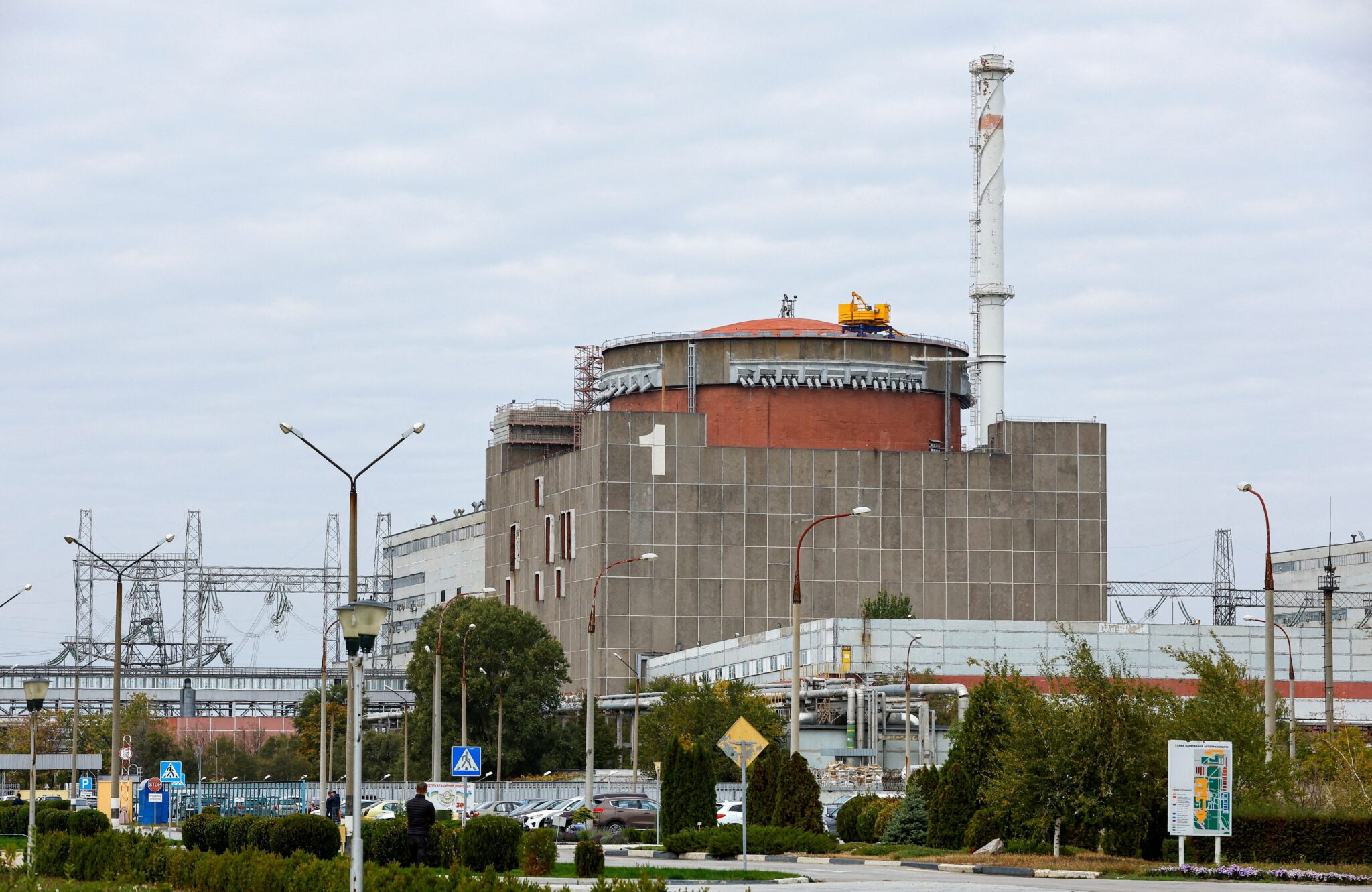
The Zaporizhzhia nuclear plant is running on emergency generators with a limited supply of diesel, while Kyiv investigates a deadly attack on a warehouse.
The Zaporizhzhia nuclear power plant in Ukraine has been without off-site power for over a week and is now relying on emergency diesel generators, according to the UN’s nuclear watchdog. The plant, which requires power to maintain its six non-operating reactors, has only a 10-day diesel supply available on-site, as stated by the International Atomic Energy Agency (IAEA) on Saturday.
Rafael Grossi, the agency’s director general, emphasized the importance of diesel fuel in scenarios where a nuclear power plant loses off-site power. He noted, “The current situation once again shows why reliable external power and secure supply routes are indispensable for nuclear safety and security.” The IAEA also indicated that the plant had received diesel fuel from an off-site location earlier this week.
The loss of regular power to Zaporizhzhia occurred due to military actions taking place on the northern bank of the Dnipro River. The IAEA is currently attempting to negotiate a local ceasefire to facilitate repairs to the electrical lines. The plant, located in southern Ukraine, was seized by Russian forces in March 2022, and its six reactors have not been in operation since that year.
In other developments, Germany is reportedly preparing to hold Russia accountable for an attempted drone attack on Leipzig airport and is expected to impose sanctions on Russian entities. Reports suggest that the German government plans to announce these extensive measures in the coming week, potentially alongside a new EU sanctions package.
Ukrainian authorities are investigating the storage of munitions near residential areas following a deadly Russian attack on a warehouse near Kyiv. The assault on the warehouse located in Myla resulted in the deaths of at least 37 people, marking the deadliest attack in the ongoing war this year. The strike also caused significant damage to residential buildings, including a care home for elderly and disabled individuals, and triggered large fires and explosions in the Bucha district. Regional governor Tymur Tkachenko reported that another 42 people were injured, including four children.
The warehouse was used by the Ukrainian military for storing shells, drones, and other munitions. Volodymyr Zelenskyy, Ukraine’s president, highlighted the severity of the situation, stating that the initial impact targeted a location where ammunition should not have been stored, resulting in significant detonations.
In a related comment, Finland’s president expressed his belief that Russia would not risk attacking a NATO country, emphasizing that it makes little sense to test the alliance’s resolve. Alexander Stubb stated in an interview that he sees no factual basis supporting the notion that Russia would engage in such an act.
The Russian defense ministry has claimed the capture of several villages in Ukraine’s Sumy region and the Donetsk region. On Saturday, they reported a strike on a logistics center in Kyiv where components for Ukrainian ballistic missiles were allegedly stored. This claim remains unverified by external sources.
Additionally, three people were reported killed and nine injured in a Ukrainian drone attack in the Russian Belgorod region, with local authorities indicating that at least three of the injured were in serious condition.
Statements from Europe suggest a growing perception of Russia as an adversary, according to Kremlin spokesperson Dmitry Peskov, who indicated that the prospect of improved relations between Russia and the EU seemed bleak. He criticized the current EU political landscape as confrontational towards Russia, both in rhetoric and actions. Since the onset of Russia’s full-scale invasion of Ukraine in 2022, the UN reported in August that at least 16,874 civilians have been killed, including 820 children, with 51,173 injuries recorded, among them 3,126 children.
Keep in touch with our news & offers
Subscribe to Our Newsletter
Thank you for subscribing to the newsletter.
Oops. Something went wrong. Please try again later.