Ukraine’s training initiatives highlight the revived importance of electronic warfare for NATO amidst ongoing conflict with Russia.
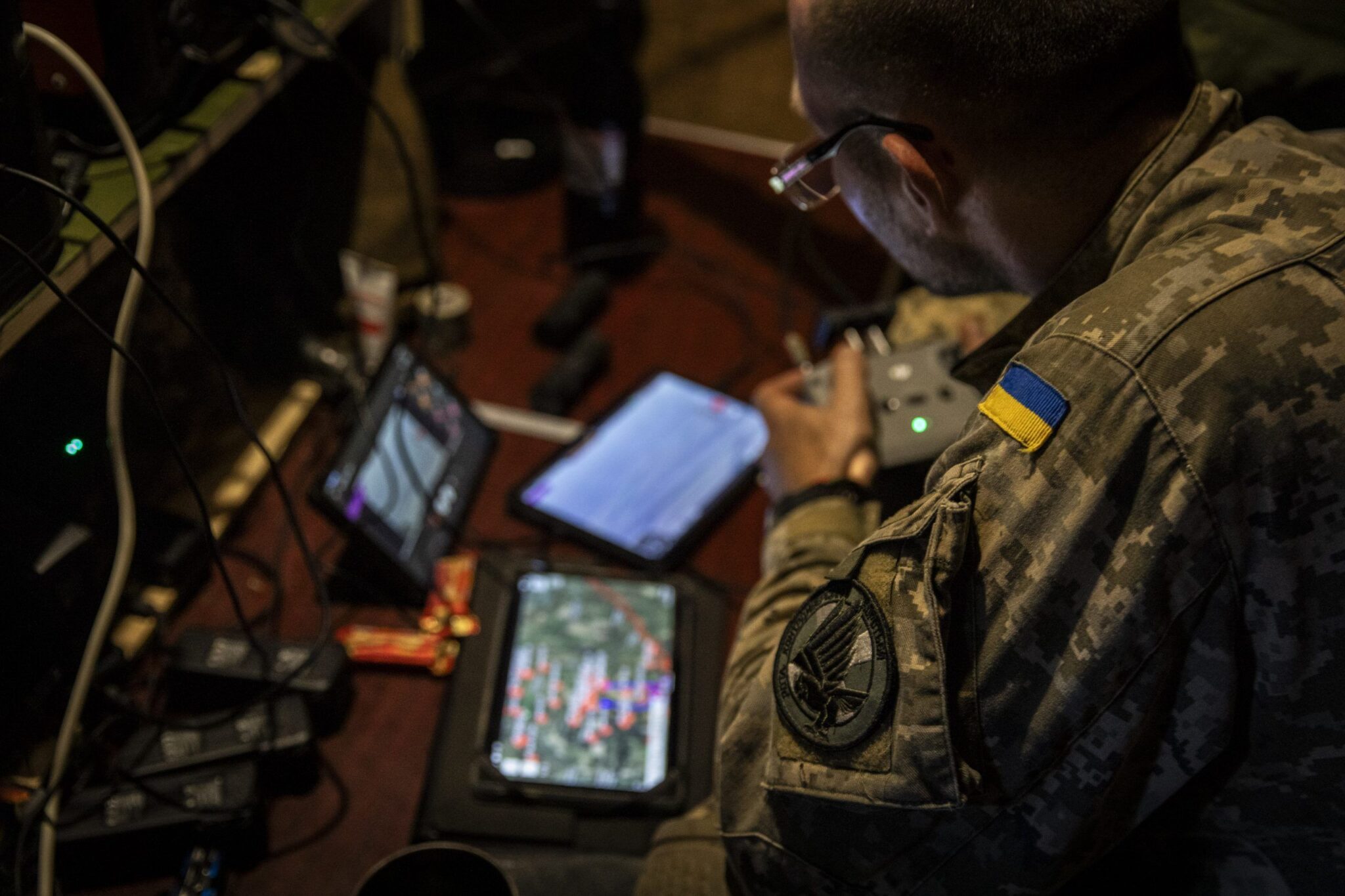
Training Ukrainian troops for their war with Russia has reignited the focus on electronic warfare among Western trainers, a key skill that had dwindled in importance since the end of the Cold War but is becoming increasingly vital in contemporary combat scenarios.
Norway is spearheading a new multinational training effort on NATO soil aimed at preparing Ukrainian forces. The trainers are not only imparting Western military practices but are also learning crucial lessons from the battle-experienced Ukrainian soldiers with insights particularly valuable in areas like electronic and drone warfare.
Brig. Gen. Atle Molde, commanding the Task Force Legio, remarked on the innovative practices being exchanged, stating that Camp Jomsborg, a purpose-built training facility he visited in Poland, serves as an essential gathering point for information. He pointed out that Norway is learning that electronic warfare capabilities are once again crucial.
Molde illustrated how electronic warfare was an asset for NATO during the Cold War but faded after the Soviet Union’s collapse, saying, “The West needs to rebuild that.” The ongoing conflict in Ukraine has highlighted a robust electronic warfare battle where both factions strive to disrupt one another’s communications, drones, navigational aides, and sensor capabilities.
The war has compelled Western militaries to reassess the necessities of modern, extensive-scale combat, prompting increased investments in technology and critical capabilities that had grown rusty in the post-Cold War landscape.
Electronic warfare was pivotal during the Cold War, as both opposing forces attempted to disrupt enemy communications and radar systems while safeguarding their own. However, its importance diminished during conflicts focused on counterinsurgency and counterterrorism.
Air Chief Marshal Sir John Stringer, NATO’s Deputy Supreme Allied Commander Europe, reinforced the need for military commands to adapt in a world vastly changed by technological developments, stressing the importance of controlling electronic emissions to avoid detection by adversaries.
Echoing this sentiment, Air Chief Marshal Sir Stuart Peach, former chairman of NATO’s Military Committee, remarked that although NATO had not significantly advanced in electronic warfare in recent decades, “Russia never stopped doing EW.” He added that the current operational environment in Ukraine is notably the most complex and dangerous regarding electromagnetic warfare, compelling NATO to learn from Ukrainian combatants fighting desperately for their sovereignty.
At Camp Jomsborg, instructors are acutely aware that the Ukrainians are already seasoned in electronic warfare and drone piloting, so the training focuses more on refining skills than introducing them. Maj. John, the S3 Operations Officer overseeing the broader training operation, highlighted the unique nature of this collaboration, stating that it’s defined by Ukrainian needs rather than a prescribed curriculum from the eleven Western forces involved.
As training proceeds, insights gathered from Ukrainian personnel are continuously integrated into their own military frameworks. John noted, “We have defined this as a Ukrainian training center,” emphasizing how vital it is for trainers to glean knowledge from the experiences of their Ukrainian counterparts.
The UK, involved in training efforts, has acknowledged the lessons gained through their cooperation with Ukraine, leading to significant rethinking of its military training protocols. According to Molde, this training experience is a “two-way street,” allowing allies to share knowledge while also extracting valuable insights applicable to their own forces.
Crucial lessons include effective drone use and corresponding defensive strategies against Russian drones, alongside a renewed focus on enhancing air defense capabilities—an area that allies had largely neglected post-Cold War but have recognized as essential in light of growing threats posed by inexpensive drones.
Molde remarked, “Now we have an actor, a security threat to all of Western Europe. The rules of war don’t apply.” He underscored the urgency for Western nations to adapt swiftly in these dynamic and dangerous conditions.