The UK government has removed hardship payments for civil servants in Buenos Aires, prompting criticism from opposition leaders about taxpayer fairness.
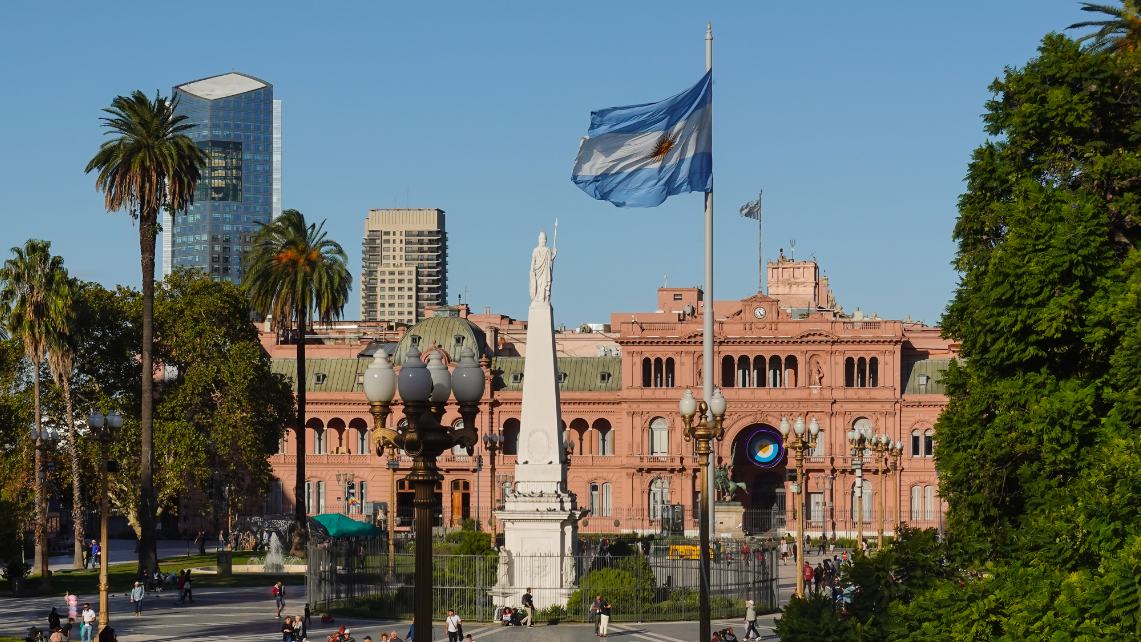
The UK government has removed hardship payments for civil servants in Buenos Aires, prompting criticism from opposition leaders about taxpayer fairness.
British diplomats stationed in six cities worldwide, including Buenos Aires and Santiago, will soon find themselves without the hardship payments previously granted for working in challenging locations. The UK government announced this decision, which eliminates the bonuses meant for civil servants facing high crime, health risks, or environmental challenges in their postings.
The move affects not only Buenos Aires but also cities like Santiago in Chile and Panama City. Other locations on the list include Pyongyang in North Korea and Bamako in Mali, all previously considered risky. The latest list was published last week, and while 144 locations remain eligible for hardship pay, the recent cut has sparked backlash.
Tory chairman Kevin Hollinrake criticized the decision to provide extra financial support to civil servants working in what he termed ‘taxpayer-funded jollies’ in places like Bali and Cape Town. He characterized it as unfair to the British taxpayer, suggesting a need to reevaluate the entire scheme.
Since it was established 30 years ago, the Foreign Office has offered hardship payments to staff and their families. This compensation addresses the extra living costs linked to serving in challenging settings, and it is regularly reviewed. Factors influencing these allowances range from security measures to risks posed by climate and isolation.
While amounts for hardship pay are not routinely disclosed, the last known breakdown from 2009 indicated that those posted to Karachi, Pakistan, received the highest allocations at over £26,000. Buenos Aires saw payments of £1,517, whereas Santiago offered £777.
Responding to a parliamentary inquiry from Tory peer Lord Moylan, Foreign Office minister Lord Wood of Anfield explained that assessments of hardship include considerations like mental and physical health impacts, requiring civil servants to take additional breaks.
Despite the criticism, the Foreign, Commonwealth and Development Office defended the existing compensation framework, emphasizing the unique challenges faced by British diplomats abroad. A spokesperson emphasized the government’s responsibility in ensuring proper support for staff in demanding environments, akin to practices in the private sector.
Meanwhile, cities like Bangkok, Cape Town, and Kuala Lumpur continue to qualify for hardship payments, alongside more glamorous destinations such as Dubai and Abu Dhabi. As debates around fiscal responsibility and public service spending persist, the intricacies of the hardship payment system will likely remain a point of contention.
Keep in touch with our news & offers
Subscribe to Our Newsletter
Thank you for subscribing to the newsletter.
Oops. Something went wrong. Please try again later.