Opening statements in Tupac’s murder trial unveil gang history and claims of revenge, as tensions from the ’90s emerge in court.
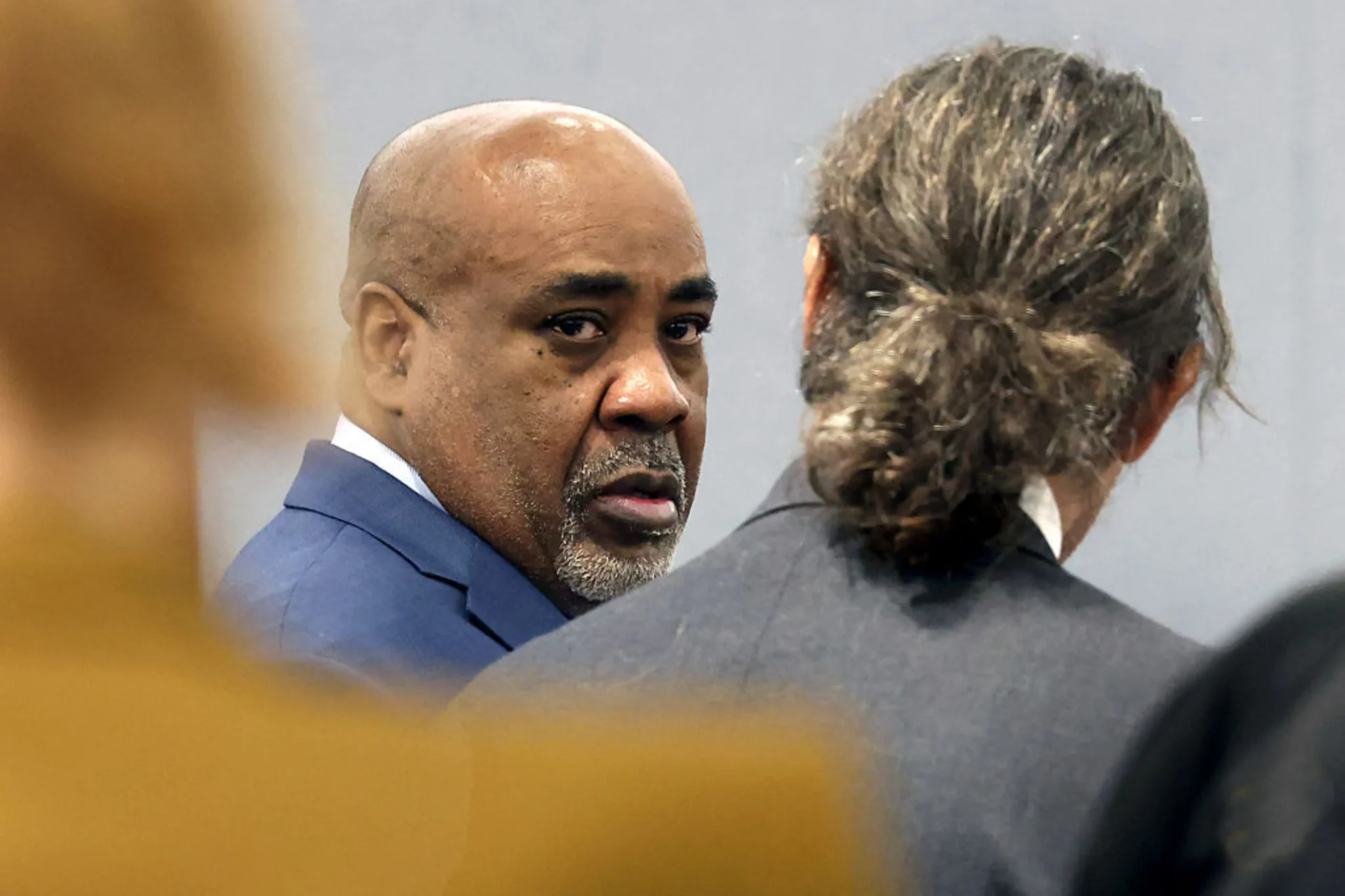
The murder trial of Tupac Shakur commenced with opening statements laying bare the chilling circumstances surrounding the rapper’s death. Prosecutors introduced Duane “Keffe D” Davis, a former gang leader, as a pivotal figure in the drive-by shooting that claimed Shakur’s life, branding him as a mastermind seeking revenge.
In the Las Vegas courtroom, jurors were transported back to the violent world of ‘90s hip-hop, where gang tensions ran high. Davis, aged 63, stands accused of orchestrating the murder, although he did not pull the trigger. He has pleaded not guilty to the charges.
Chief Deputy District Attorney Binu Palal told the jury, “Let’s be clear, Duane Davis did not pull the trigger. But he did plan the shooting in retaliation for the beating of his nephew.” The prosecution pointed to a memoir Davis co-authored, claiming it contains detailed accounts of that fateful night.

Davis’ defense team instantly dismissed the prosecution’s narrative as mere fabrication, arguing that the case is based on a decades-long investigation fraught with flaws. “What facts do they have after 30 years?” questioned Eric Sanft, one of Davis’ attorneys.
The courtroom listened intently as the first witness, Garry Dale, a former officer with the Las Vegas Metropolitan Police, recounted Shakur’s refusal to divulge any details about the shooting when he was rushed to the hospital. “We’ll take care of it,” Shakur insisted when asked about the identity of his assailants.
The backdrop for this trial includes a notorious rivalry between East Coast and West Coast rappers, alongside entrenched gang conflicts between factions such as the Bloods and the Crips, themes that permeated much of hip-hop culture in the 1990s. Prosecutors emphasized that this distrust and lack of cooperation significantly hindered the investigation over the years.
Despite the challenges, authorities now exhibit renewed vigor in pursuing the case. They portrayed Davis as the orchestrator, emphasizing that he allegedly mobilized gunmen to confront Shakur, swayed by the recent altercation involving his nephew Orlando Anderson and the rapper.
Prosecutors illustrated how the events unfolded, detailing how Davis allegedly secured a firearm and coordinated two cars, one of which was a white Cadillac, loaded with associates, including Anderson. They came across Shakur’s vehicle having just left a Mike Tyson boxing match.
Testimony from witnesses, including Ingrid Stokes, further painted a vivid picture of the chaos that ensued. Stokes recalled a night of excitement turning grim when gunshots rang out. “We were head down, taking our seat belts off, when we heard the gunshots. All hell broke loose,” she recounted.
The trial, which could last several weeks, not only brings to light unresolved questions surrounding Shakur’s death but reignites a chapter of rap history defined by violence and tragedy. Key figures, including those closely linked to the case and possibly celebrities, are anticipated to testify as the jury seeks clarity in this long-standing cold case.