Trump’s abrupt decision to cut US-South Korea military exercises raises serious concerns about regional security and diplomatic relations.
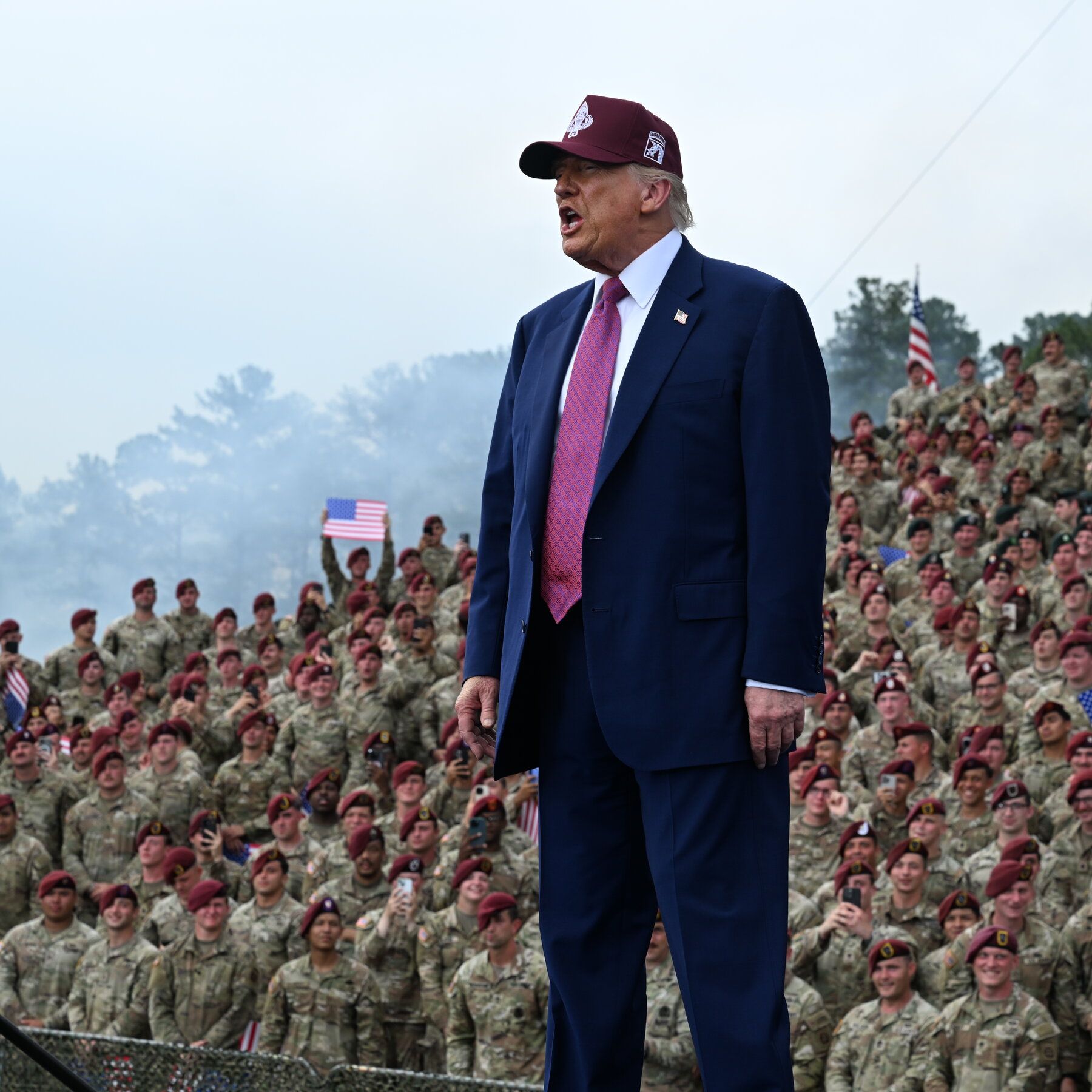
South Korea’s annual military exercises with the United States came to an unexpected halt on Friday, marking a significant shift in defense policy. The exercises, known as Ulchi Freedom Shield, typically involve around 18,000 South Korean troops alongside 11 other nations, but were cut short with only half of the planned program completed. This change followed an announcement from US President Donald Trump, who stated he had ordered the Pentagon to “substantially reduce” the drills, labeling them as “inappropriate and hostile” towards North Korea and costly for the US.
The decision caught many allies off guard. South Korea’s Foreign Minister, Cho Hyun, attempted to frame the change as a mutual agreement, but conceded that officials were not informed of Trump’s intention to scale down the military exercises ahead of time. This sudden adjustment has sent shockwaves through the region, particularly affecting nations like Taiwan and Japan, which rely on US security assurances.
Trump has also expressed dissatisfaction with South Korea’s stance regarding its participation in actions against Iran, further complicating diplomatic relations. While South Korea has historically supported US outreach to North Korea as a means of fostering peace, it is concerned about the possibility of concessions being tied to financial demands and military support for Iran.

According to the South Korean government, the annual exercises are a cornerstone of its alliance with the US and a crucial indicator of America’s commitment to defend against the threat posed by North Korea. However, Trump’s unanticipated decision to withdraw troops early has shaken confidence in the US alliance, as articulated by Jo Bee-yun, a Senior Research Fellow at the Atlantic Council.
Concerns are growing that Trump may consider further reducing the 27,000 US troops stationed in South Korea or even abandon the longstanding goal of denuclearizing North Korea, all without consulting its ally. The two Koreas remain technically at war, having never signed a peace treaty, and North Korea has not ceased its hostile rhetoric. Just days before the military drills were to begin, North Korea launched ballistic missiles toward Japan and reiterated its right to strengthen its nuclear capabilities in response to perceived threats.
The Trump administration’s shifting approach to security and trade issues has alarmed South Korea’s leadership. The US president has publicly criticized Seoul’s $1 billion annual expenditure to host US troops, suggesting it is insufficient, alongside complaints about South Korea’s investment commitments and trade issues favoring US companies.
In light of these tensions, some analysts are advocating for South Korea to consider developing its own nuclear deterrent, while the public’s majority approval for such a move grows. Cheong Seong-chang, vice-president at the Sejong Institute, is among those urging for a reevaluation of the security alliance. He believes that while maintaining a connection with the US is essential, independent steps toward national security must be taken.
Efforts are still being made within South Korea to adapt to Trump’s abrupt decision. President Lee Jae Myung, who has worked to improve relations with the North, praised Trump’s social media announcement as a thoughtful move toward peace. Lee expressed his intent to bolster South Korea’s defense budget and aligned with Trump’s belief that the nation should take greater responsibility for its own security.
Since Trump’s presidency, his unpredictable diplomatic methods have created both opportunities and risks for South Korea. The country successfully facilitated a historic meeting between Trump and North Korean leader Kim Jong Un in 2018, but Trump’s subsequent actions led to a suspension of joint military drills. After a failed second meeting in 2019, relations soured further as North Korea began expressing hostility toward the South.
Despite Trump’s claims of a solid relationship with Kim Jong Un, there are doubts about future diplomatic engagements. Kim’s sister, Kim Yo Jong, has publicly dismissed Trump’s assertion that her brother had been in contact with him, emphasizing that their foreign policy remains resolute against US demands.
Although Trump suggested he would meet with Kim later this year, skepticism persists regarding the feasibility of another summit, especially with North Korea bolstering its alliances with Moscow and China. Until the US is ready to acknowledge North Korea as a nuclear power, Kim maintains there is little incentive for cooperation, raising fears that South Korea may confront even more demands from the North at a time when it appears stronger militarily.
As Jo Bee-yun points out, the current situation leaves South Korea vulnerable and emphasizes the existential nature of its alliance with the United States.