Controversy erupts in FIFA as Trump’s influence on the USMNT’s Balogun raises questions over the integrity of the World Cup.
Controversy erupts in FIFA as Trump’s influence on the USMNT’s Balogun raises questions over the integrity of the World Cup.
After a controversial decision, FIFA president Gianni Infantino faced intense scrutiny following the United States men’s national soccer team’s (USMNT) defeat to Belgium. As Belgium celebrated, many expressed that this defeat might be just what FIFA needed politically.
The atmosphere around the World Cup has shifted significantly, particularly due to the emerging tensions surrounding Infantino’s ties to President Donald Trump. The close relationship between the two has raised eyebrows, especially considering past decisions and events.
Throughout Infantino’s tenure, he has seen both successes and serious criticisms, including the plight of migrant workers involved in the construction of the Qatar World Cup, and the political implications that have surrounded the tournament. This World Cup seemed to shine with bright moments from players like Lionel Messi and Kylian Mbappe, who shifted the focus temporarily away from administrative issues.
As the tournament progressed, most matches occurred in packed stadiums, with Infantino lauding the chance for Iran to participate amidst considerable conflict. However, moments of triumph were overshadowed when FIFA’s controversial decision regarding USMNT forward Folarin Balogun surfaced. Originally facing a one-game suspension, Balogun’s situation took a twist when news broke that Trump and his allies had intervened on his behalf.
In a move that sent shockwaves across the Atlantic, many interpreted the decision as yet another instance of the Trump administration pushing against established norms. This incident directly reflects a broader philosophy where procedures considered to be standard could be manipulated to fit American interests, invoking concerns about the integrity of international sports.
Shortly after the decision was announced, outrage erupted, especially among European soccer federations. Belgian coach Rudi Garcia voiced his team’s discontent with the ruling, aiming to uphold the “integrity and ethics” of the game. UEFA was quick to respond, declaring FIFA’s decision as crossing a significant line, while soccer officials from Germany and Italy echoed similar sentiments.
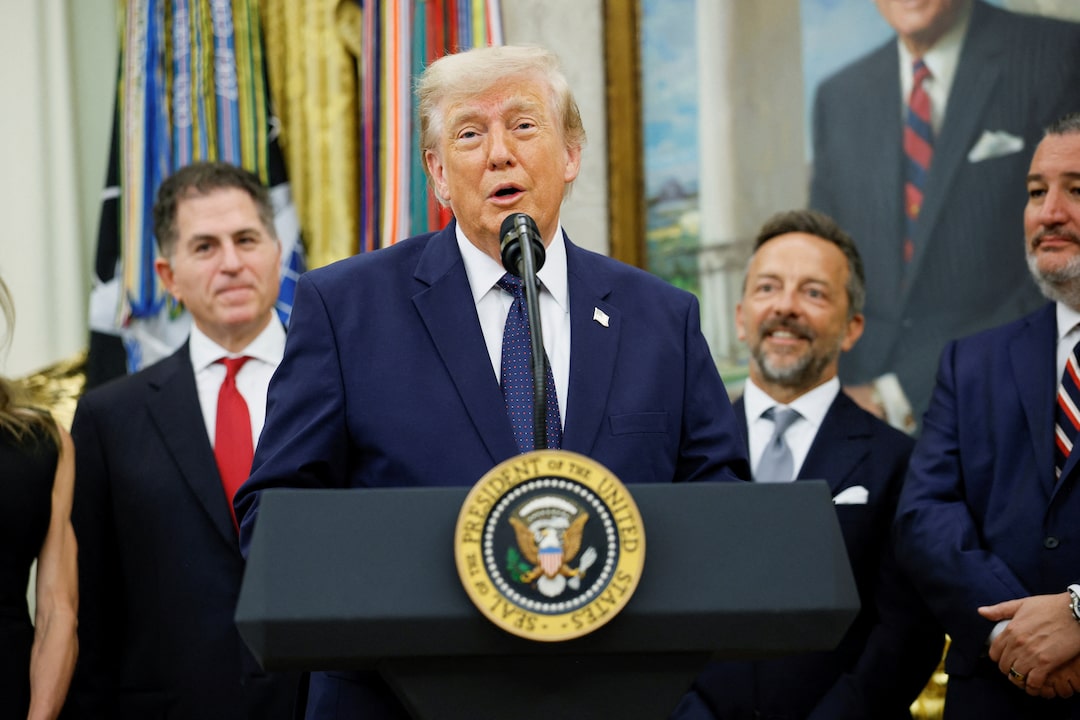
In the Oval Office, Trump confirmed engaging with Infantino to advocate for Balogun, which amplified perceptions of impropriety. “I asked for a review, because I didn’t think it was a foul,” Trump stated, framing the discussion around the potential impact on the World Cup’s reputation.
As European federations rallied against perceived favoritism towards the U.S., the situation continued to escalate. Both the Swiss Football Association and the Norwegian Football Association condemned the ruling, expressing disbelief and concern over political meddling in sports.
On the competitive stage, Belgium’s victory served as a reprieve for FIFA, as the tensions simmered. Infantino sat alongside the Belgian football federation president, knowing all too well that had the U.S. emerged victorious, the outcry could have intensified. Instead of further legal challenges, Belgium chose to focus on excelling in the match.
For Infantino, the win helped quell some unrest, but the underlying issues remain unresolved. The controversy surrounding Balogun’s ban and subsequent reinstatement revealed cracks in the governance of FIFA, calling into question the organization’s commitment to fair play.
As the world watches, what remains clear is that the relationship between Trump and Infantino has complicated the legacy of this World Cup, as the sport grapples with the balance between politics and competition.
Keep in touch with our news & offers
Subscribe to Our Newsletter
Thank you for subscribing to the newsletter.
Oops. Something went wrong. Please try again later.