Trump set to hold talks with Iran as tensions rise over the Strait of Hormuz and nuclear negotiations. Key parties involved in the discussions.
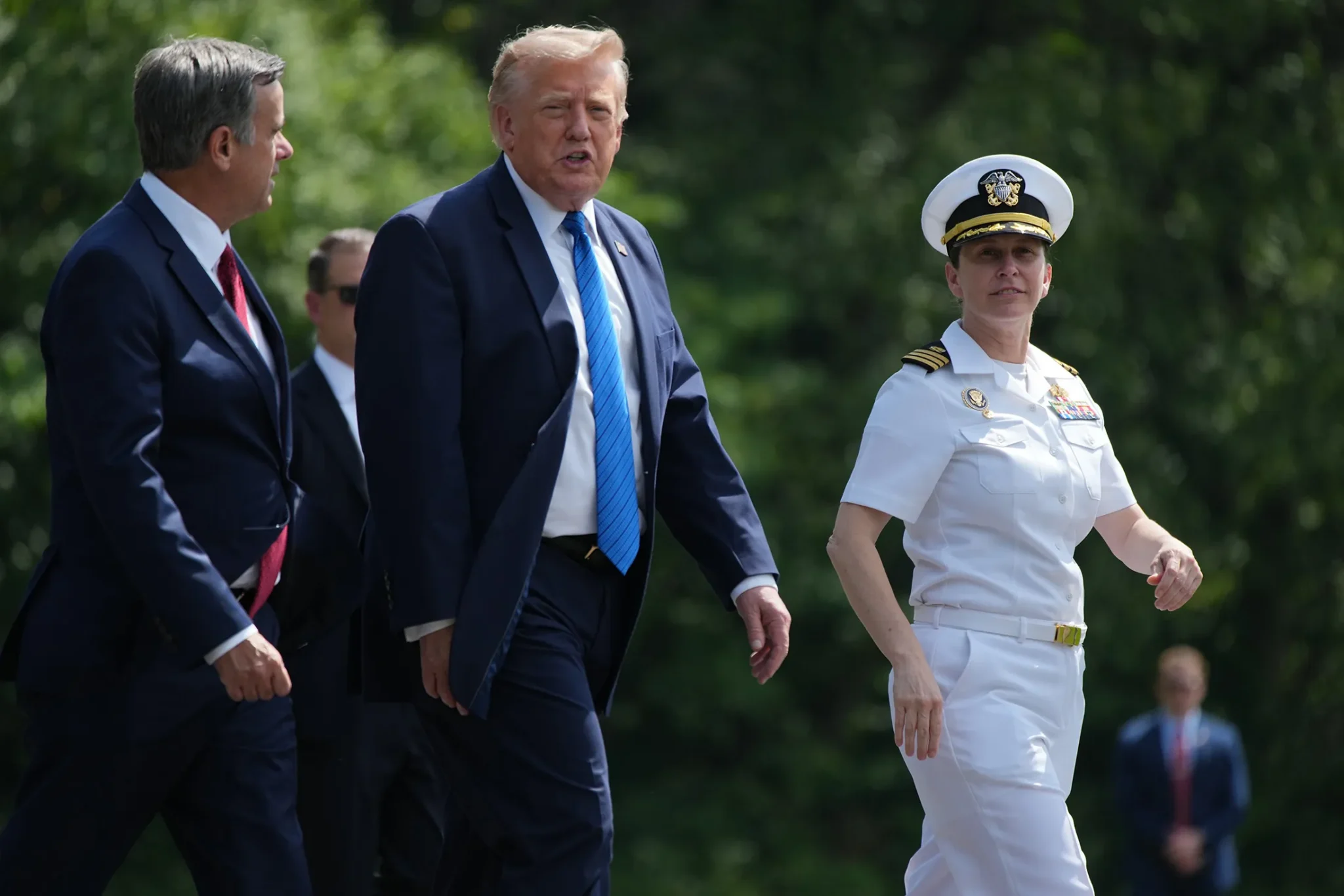
Trump set to hold talks with Iran as tensions rise over the Strait of Hormuz and nuclear negotiations. Key parties involved in the discussions.
The US president, Donald Trump, announced that talks with Iran will take place on Monday, but he did not specify the location or the attendees. He previously mentioned he called off an imminent attack, hoping to reach a deal that would reopen the Strait of Hormuz and address the deadlock surrounding Tehran’s nuclear ambitions.
Iran, meanwhile, indicated that it is nearing an agreement with Oman regarding a new route through the strategic waterway, which has recently seen increased tensions, highlighted by an explosion affecting a tanker in the vicinity last Sunday. The United Kingdom Maritime Trade Operations Centre confirmed the safety of the vessel and crew.
Recent reports showed a slowdown in shipping traffic through the Strait due to threats of vessel attacks. However, two tankers carrying Saudi oil successfully navigated the Bab el-Mandeb Strait over the weekend despite warnings from Houthi rebels about targeting its oil exports.
Iranian foreign ministry spokesperson Esmaeil Baqaei informed state television that a deal with Oman is imminent, stating, “We are now going to reach an understanding on a route acceptable to both sides – neither the northern route nor the southern route – but one that respects the sovereign rights of both sides and safeguards our national interests and security.” Baqaei clarified that such an agreement would not lead to the Strait returning to its previous status prior to the outbreak of war in February.
Additionally, Iranian Foreign Minister Abbas Araghchi conveyed that negotiations with Oman are in the final stages, although details remain scarce. Oman has yet to comment publicly on these developments.
On social media, Trump stated that Iran and other Middle Eastern nations have requested time to finalize an agreement that would lead to the “immediate, complete and total” reopening of the Strait and end Iran’s nuclear threat. He emphasized that Iran must “rapidly make a deal.” During a flight back to Washington from a weekend trip in New Jersey, Trump described his decision to delay military action against Iran, saying it came at the advice of Gulf allies, including Qatar, the UAE, and Saudi Arabia. Trump asked Crown Prince Mohammed bin Salman directly what course of action would be preferred: an attack or a negotiated deal. The crown prince expressed a strong preference for a diplomatic resolution.
Notably, Trump did not specify a deadline for reaching an agreement with Iran. His history of threatening to escalate military actions has been accompanied by periods of de-escalation, as talks have yet to yield a comprehensive agreement.
The ongoing conflict has seen attacks spreading across the Gulf, affecting shipping routes, and has decreased the flow of oil through the Strait of Hormuz, responsible for 20% of the world’s oil and liquefied natural gas pre-war, driving energy prices higher and leading to wider inflation concerns.
On Monday, as news of potential talks emerged, oil prices saw a significant drop, with Brent crude falling over 4% to about $83 per barrel. Trump’s rationale for maintaining pressure on Iran is the belief that preventing the nation from acquiring nuclear weapons justifies the higher energy costs faced presently; however, the current economic distress is drawing increasing political scrutiny.
Iran’s Araghchi has also engaged in phone discussions with Saudi counterpart Prince Faisal bin Farhan and the army chief of Pakistan, Asim Munir, to explore diplomatic channels, according to Iranian state media.
Israel’s Energy Minister Eli Cohen stated that there is close coordination between Israeli and US security and intelligence regarding the situation in the region, reiterating, “With or without an agreement, and regardless of any external commitments, if Iran attempts to renew its nuclear program or advance its ballistic missile industries, we will be there. We will take action, and we will strike.”
In Washington, Trump held discussions with Israeli Prime Minister Netanyahu, examining various strategies to mitigate Iran’s nuclear capabilities, including diplomacy, economic sanctions, and potential military action. Tehran continues to deny any intentions of pursuing nuclear weapons.
Keep in touch with our news & offers
Subscribe to Our Newsletter
Thank you for subscribing to the newsletter.
Oops. Something went wrong. Please try again later.