Trump claims Iran is ready for peace talks in Doha following recent clashes in the Strait of Hormuz, with tensions soaring in the region.
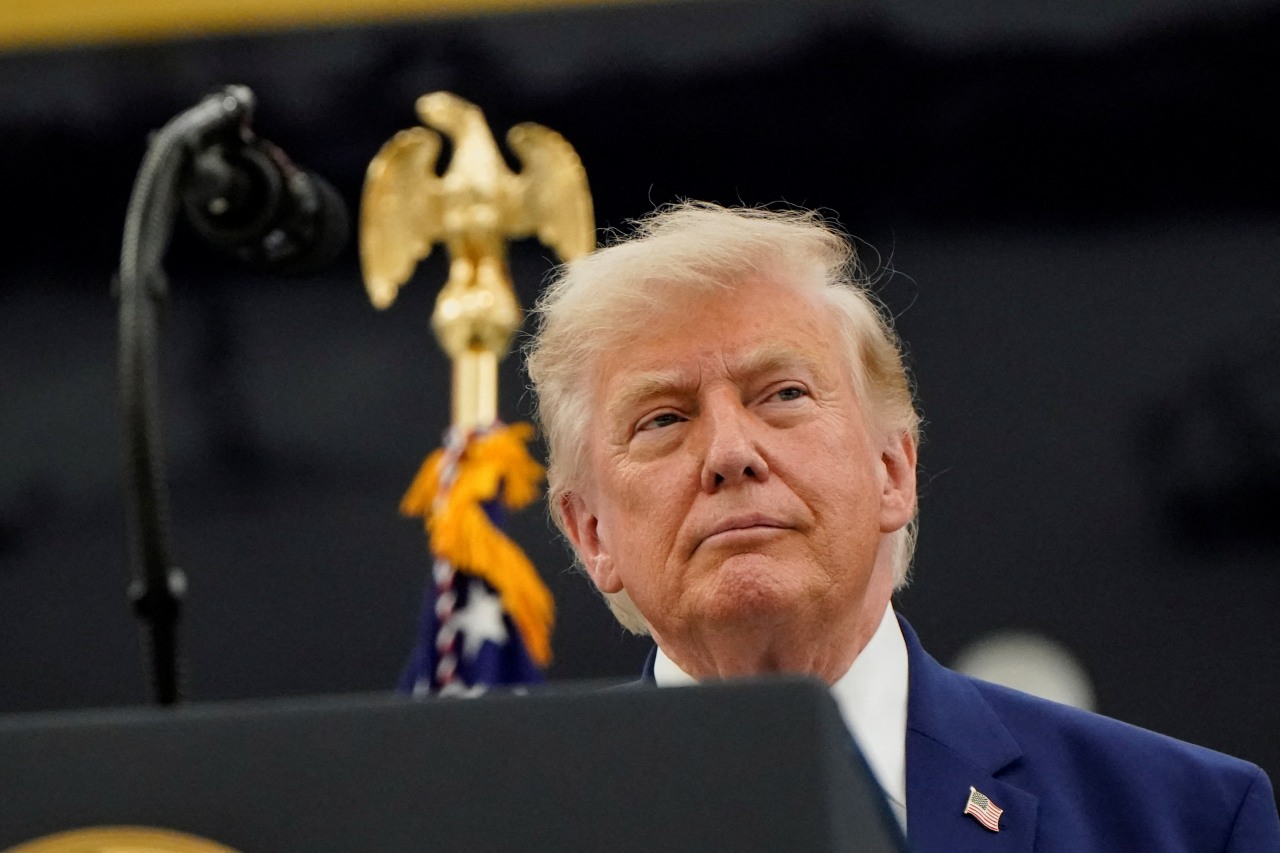
Trump claims Iran is ready for peace talks in Doha following recent clashes in the Strait of Hormuz, with tensions soaring in the region.
US President Donald Trump has announced that Iran has consented to peace talks set to occur in Doha, Qatar, following a series of clashes in the Strait of Hormuz that threatened an already delicate ceasefire.
In a brief post on Truth Social, Trump stated that the discussions would take place on Tuesday, amidst reports from US media indicating both sides had agreed to suspend strikes after a recent exchange of fire disrupted shipping in this crucial maritime area.
Trump’s post read: “IRAN HAS REQUESTED A MEETING. IT WILL TAKE PLACE TOMORROW IN DOHA! President DJT.” However, Iranian officials appeared to downplay the significance of this meeting. Esmail Baghaei, spokesperson for the Iranian foreign ministry, clarified that the US delegation’s visit would not coincide with Iranian negotiations, adding: “We have not yet entered the stage of negotiating a final agreement… Over the coming days, we will not have any negotiation meetings with the US side at any level.”
The backdrop to this announcement was marked by escalating tensions, particularly when Iran conducted a drone attack on a cargo ship in the Strait over the weekend. This provoked a retaliatory response from US Central Command (Centcom), which targeted key Iranian military assets, including surveillance infrastructure and drone facilities.
Following the drone strikes, the Iranian Revolutionary Guard Corps announced it had executed a joint missile and drone assault on several US military positions located in Kuwait and Bahrain, intensifying the situation further.
With prospects for diplomacy seeming dim, the White House intervened, looking for a way to prevent further escalation. The details of forthcoming discussions, including who will control the Strait of Hormuz and whether Iran can impose transit fees, remain uncertain.
As a sign of the heightened wartime climate, commercial shipping reportedly halted operations through the region due to fears following the violence. Iran had previously warned vessels transiting the Strait to secure permission from Iranian authorities, effectively stunting the flow of maritime traffic.
Meanwhile, Omani Foreign Minister Badr al-Busaidi indicated that Oman was in talks with Iran regarding the potential for charging service fees associated with transit through the critical strait, albeit he refrained from confirming any direct toll charges.
A US delegation to Doha is expected to include Jared Kushner, Trump’s son-in-law, alongside envoy Steve Witkoff. Reports suggest that Iranian negotiators will also participate, which could yield significant discussions concerning Iran’s nuclear program as well.
Vice President JD Vance recently acknowledged that renewed diplomatic contacts with Iran have played a role in preventing further violence in the region. A source indicated that the US has agreed to halt military actions against Iran in preparation for the upcoming talks.
In a related context, Iranian President Masoud Pezeshkian announced that Qatar has agreed to release $6 billion of approximately $12 billion in frozen Iranian assets, tying this financial move to the strides made toward a new nuclear agreement.
Despite these developments, US officials assert that no funds have been released yet.
A few days earlier, the Lebanese president, Joseph Aoun, underscored his country’s readiness to deploy troops along the southern border as part of an agreement with Israel that includes the disarmament of Hezbollah. Meanwhile, Israel’s military has vowed not to withdraw from areas of southern Lebanon until this disarmament occurs, further complicating the regional landscape.
Israeli Defense Minister Israel Katz reinforced this stance, insisting on maintaining security control until Hezbollah surrenders its arms. In a noteworthy reaction, a senior Hezbollah official stated the agreement appears to be already failing but emphasized that Iran remains a key ally in upcoming negotiations with the US.
Hezbollah’s leadership affirmed their commitment to retaining their weaponry and expressed confidence in Iran’s influence to leverage negotiations with the US to eventually pressure Israel into a withdrawal.
Keep in touch with our news & offers
Subscribe to Our Newsletter
Thank you for subscribing to the newsletter.
Oops. Something went wrong. Please try again later.