South Korea experiences its highest temperatures ever, prompting emergency alerts and warnings against outdoor activities due to extreme heat.
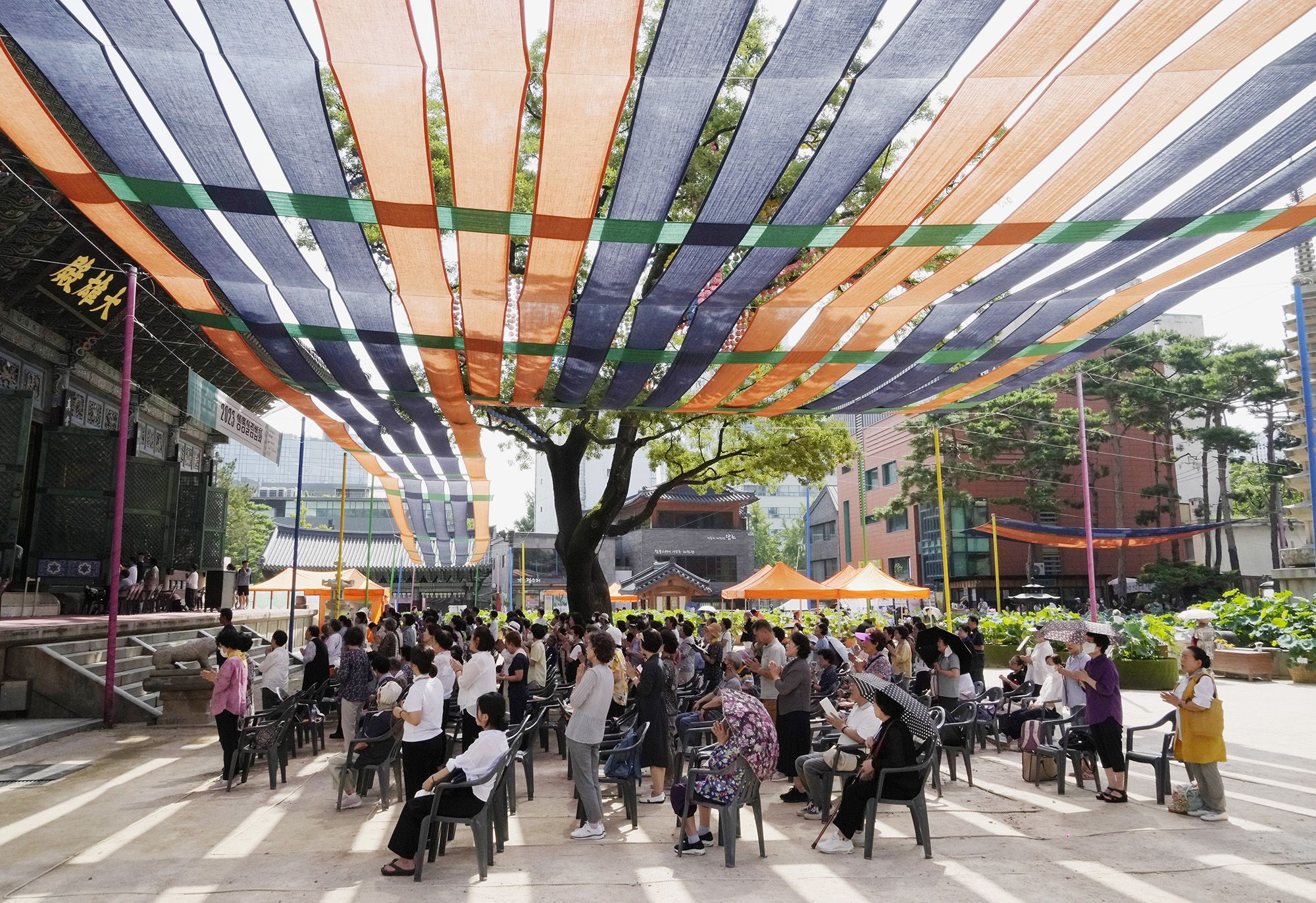
South Korea experiences its highest temperatures ever, prompting emergency alerts and warnings against outdoor activities due to extreme heat.
South Korea has recorded its highest temperature since weather observation began over a century ago, prompting authorities to urge residents to cease all outdoor activities. On Sunday afternoon, the southern city of Yangsan hit a staggering 42.5°C, marking the hottest day since records began in 1904, according to the Korea Meteorological Administration (KMA).
This unprecedented heatwave has gripped the nation for five consecutive days, with temperatures soaring beyond 40°C. Other cities, including Daegu and Busan, have also registered highs in the upper 30s. Residents flocked to air-conditioned shopping malls and cafes to escape the oppressive heat, while mist-spray zones were set up in Seoul for added relief. Ju Dong-yeol, 27, sought refuge from the sun in a Starbucks and shared his thoughts, stating, “It is too hot to be outside doing anything.” He added, “I can’t think of anything else to do other than stay in air-conditioned places like home, shopping malls, and cafes.”
The city of Gyeongju, approximately 240 kilometers southeast of Seoul, reached 40.3°C, its highest temperature recorded in eight years. North Korea has also endured similar extreme weather, with temperatures reaching 40°C in various regions. Reports from Pyongyang indicate that residents have experienced nights where the temperature remained above 25°C.
In response to the situation, more than 20 localities across South Korea were placed under emergency heatwave alerts. This new warning category was implemented this year to better address the rising temperatures. The warnings issued by the weather agency recommended that people “immediately stop all outdoor activities,” emphasizing that “indoor spaces without air conditioning are dangerous.”
Officials have advised people to seek shade or visit designated cooling centers, urging everyone to stay hydrated and rest. Concern for vulnerable populations led Prime Minister Han Seong-sook to instruct local officials to enhance safety checks on residents and to ensure a stable supply of power and water.
The KMA forecasts that easterly winds are likely to push the exceptional heat further inland, with Seoul expected to reach 37°C on Monday. Additional areas, such as South Jeolla and South Gyeongsang, are predicted to exceed 39°C, bringing dangerously high temperatures.
Meanwhile, the weather agency is also monitoring Typhoon Dolphin, which is currently moving toward China’s southeastern coasts. Depending on its trajectory, this typhoon could either exacerbate the heatwave by increasing humidity or bring relief with cooler winds and rain. According to KMA data, the average annual number of heatwave days in South Korea has doubled to 19 in the last five years, with a heatwave defined as a day when the maximum temperature reaches at least 33°C.
In another development, South Korea’s professional baseball league had to cancel a game in Changwon as temperatures peaked at 39.5°C, marking the second consecutive game cancellation in that city. The Korea Baseball Organization confirmed that the decision was made with fans’ and players’ safety as the top priority.
Scientists warn that incidents of extreme weather, such as heatwaves, are increasingly becoming more frequent and severe due to climate change. This year also marks the return of El Niño, a natural climate phenomenon that typically occurs every two to seven years, contributing to these rising temperatures.
Keep in touch with our news & offers
Subscribe to Our Newsletter
Thank you for subscribing to the newsletter.
Oops. Something went wrong. Please try again later.