South Korea’s president Lee Jae Myung urges military independence after Trump cuts joint exercises, emphasizing national sovereignty and defense.
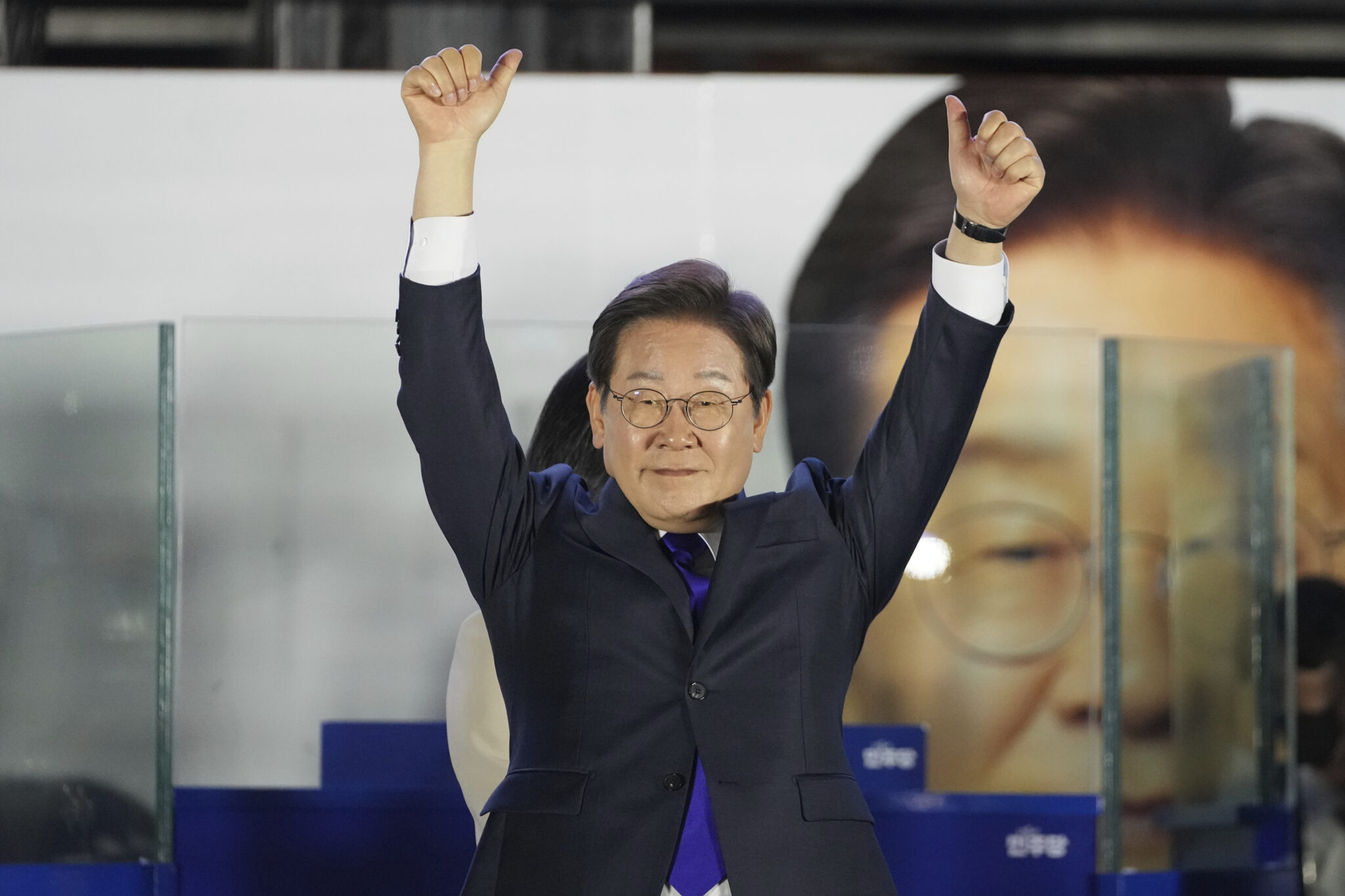
South Korea’s president Lee Jae Myung urges military independence after Trump cuts joint exercises, emphasizing national sovereignty and defense.
South Korea’s president, Lee Jae Myung, has reiterated his ambition to regain independent military control from the United States amid recent developments regarding joint military drills. Trump’s directive to significantly reduce these exercises has reignited discussions about South Korea’s military autonomy.
In a statement following Trump’s order to the Pentagon to limit joint exercises with South Korea, Lee expressed the need for Seoul to expedite its plans to regain wartime operational control, known as Opcon. He described this goal as critical, stating, “A strong alliance makes the foundation of security stronger, and strengthening our own capabilities increases our value and necessity as an ally.”
Trump’s decision, described by critics as an “inane, haphazard decision,” was based on his perspective that North Korea has been acting respectfully and that relations with Kim Jong-un are on positive terms. Lee emphasized that the planned transfer of military command during his administration should proceed without interruption.
The issue of wartime Opcon has historical roots tracing back to the Korean War, which concluded in 1953 with an armistice rather than a peace treaty. Since then, U.S. military presence in South Korea has remained a cornerstone of its defense strategy, with approximately 18,000 South Korean troops collaborating with U.S. forces during the upcoming exercises.
Lee has stated the importance of this control reclaiming process, stressing that it represents a potent symbol of national sovereignty that South Korea has aimed to achieve for over two decades. He urged a swift transition of authority, which has been deferred under previous administrations.
The ongoing military drills, originally designed to assess South Korea’s readiness for operational command, were impacted by Trump’s directive which limited the scale and scope of these exercises. Lee is actively advocating for faster development of South Korea’s military capabilities, including its nuclear-powered submarine program.
Meanwhile, the discussions surrounding these military exercises come against a backdrop of evolving security concerns, particularly as North Korea continues to strengthen military ties with Russia and learn battlefield tactics through its involvement in the Ukraine conflict. These dynamics have prompted U.S. and South Korean officials to adapt their training and operational strategies to counter these emerging threats.
During a media briefing, a South Korean presidential office spokesperson reiterated that the drills were not intended as a provocation toward North Korea, emphasizing that their objective is to ensure the safety and security of the people.
Keep in touch with our news & offers
Subscribe to Our Newsletter
Thank you for subscribing to the newsletter.
Oops. Something went wrong. Please try again later.