Up to 20,000 seafarers are trapped in the Gulf, facing uncertainty and psychological stress due to the ongoing US-Iran hostilities.
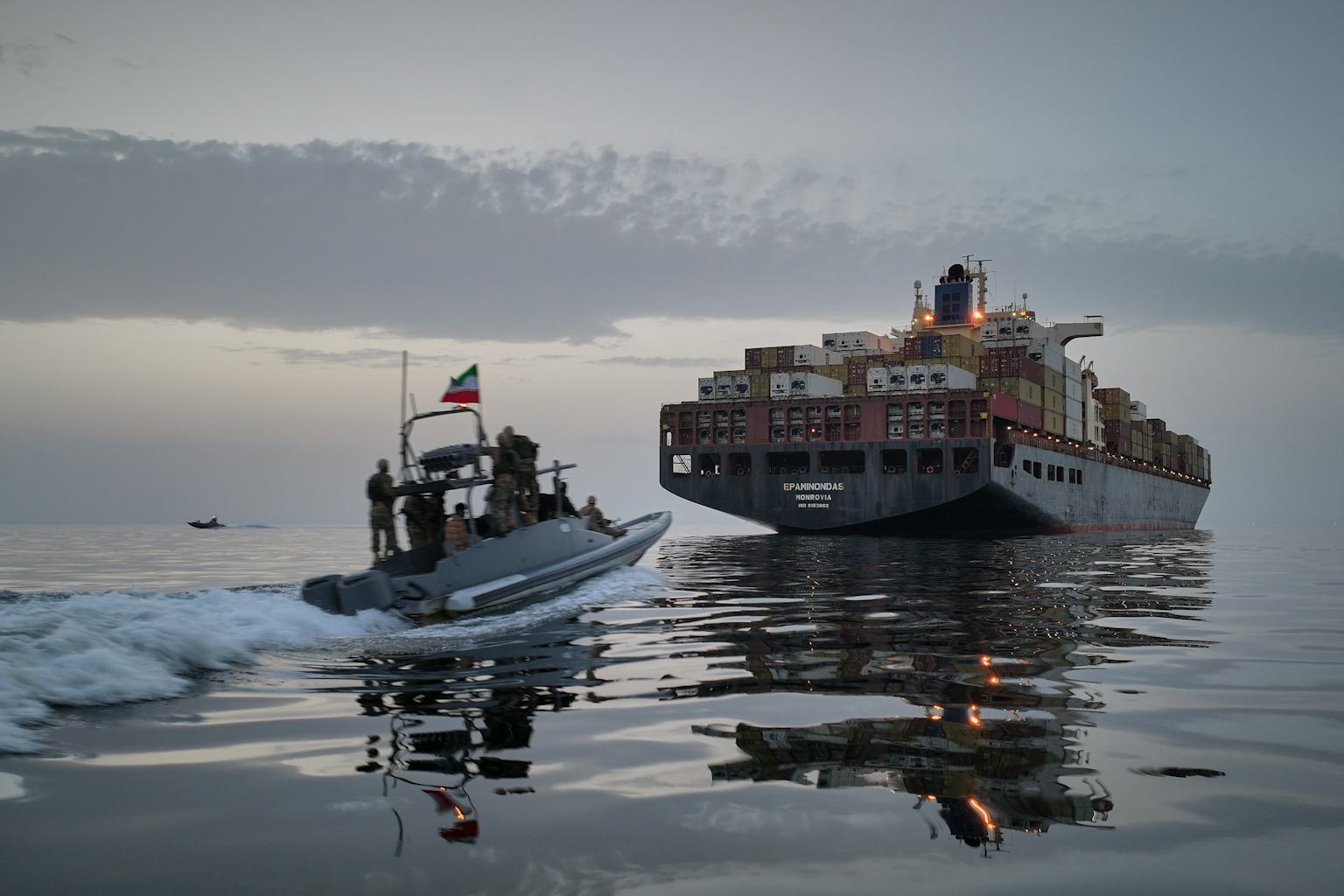
Up to 20,000 seafarers are trapped in the Gulf, facing uncertainty and psychological stress due to the ongoing US-Iran hostilities.
As the US-Iran conflict stretches into its sixth month, approximately 20,000 seafarers remain stranded in the Gulf, grappling with uncertainty and psychological distress. These crews, predominantly from India and the Philippines, have seen their once-normal journeys transformed into prolonged ordeals.
Last Monday night, the crew of the Minoan Pioneer, a bulk carrier, issued a distress signal from the strait of Hormuz after their vessel was struck by an unidentified projectile. The assault resulted in a blackout and a fire, forcing the crew to evacuate. Despite being rescued, the fate of one crew member, the third engineer, remains undetermined.
The UK Maritime Trade Operations center is probing the incident. While the source of the projectile is yet to be confirmed, maritime intelligence suggests previous attacks in this region have been linked to Iran, though the country denies any involvement.
Alongside this event, two other vessels in the vicinity reported close calls with danger, accentuating the precarious environment faced by the trapped seafarers. With Iran effectively blockading the waterway, these sailors have endured weeks of emotional turmoil.
A sailor previously described their plight as ‘impossible,’ emphasizing the rising mental health issues among crew members. Since the start of this conflict, at least 17 seafarers have tragically lost their lives, the majority due to Iranian strikes.
The situation worsened with the collapse of ceasefire negotiations and peace agreements, further entrenching the sailors in dire conditions. Despite a brief window for oil and gas tankers to exit, many were unable to escape the escalating conflict, leaving 6,000 sailors on 500 vessels stuck in the Gulf, according to the UN’s International Maritime Organization.
“These are innocent people trained for maritime work, not for combat,” remarked Arsenio Dominguez, the IMO’s secretary-general. He also pointed out the critical role seafarers play in global trade, stating that without them, 90% of goods transported by ships would fail to reach their destinations.
Calls for action have emerged from various officials, with Savio Ramos, general secretary of the Maritime Union of India, expressing deep concern for his compatriots trapped aboard vessels. He described the situation as akin to being in prison, stating, “For the guys who are on board, the question that arises is, when is this going to end?”
Despite some vessels receiving essential supplies through small boats, many crew members lack the means to exit their perilous circumstances. Meanwhile, discussions mediated by Oman regarding a potential resolution saw Tehran proposing control measures over traffic entering the Gulf, a plan that has met resistance among shipowners.
Recent data reveals that maritime traffic through the strait has dwindled. Only a fraction of the usual ship movements are occurring as the conflict continues to disrupt operations. The legacy of this conflict lingers, raising fears among industry stakeholders about the long-term consequences for maritime travel and trade in volatile regions.
Keep in touch with our news & offers
Subscribe to Our Newsletter
Thank you for subscribing to the newsletter.
Oops. Something went wrong. Please try again later.