Western officials report Russia is losing 6,000 troops monthly, calling into question its recruitment efforts amid escalating conflict in Ukraine.
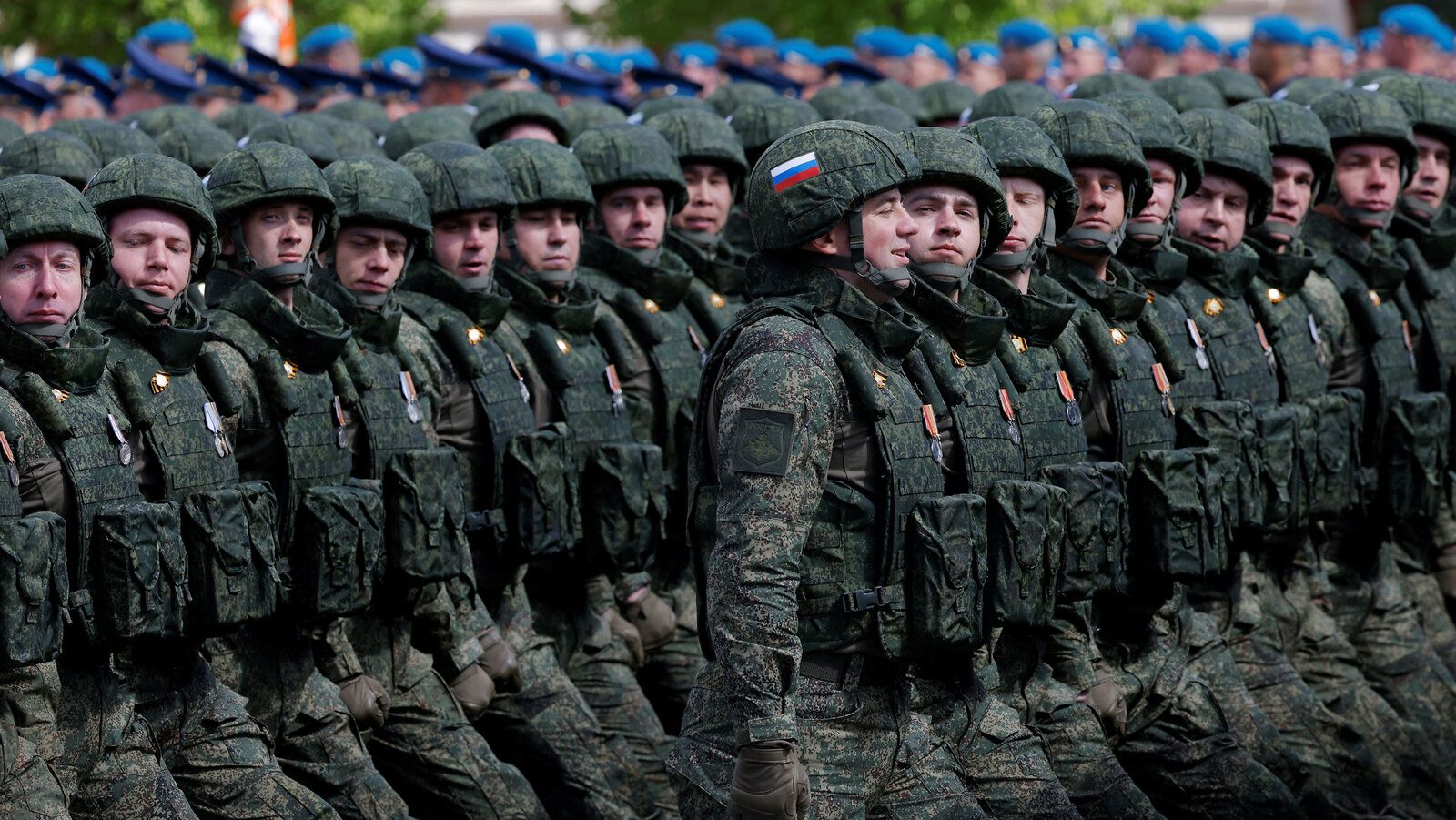
Western officials report Russia is losing 6,000 troops monthly, calling into question its recruitment efforts amid escalating conflict in Ukraine.
Russia is reportedly losing around 6,000 more troops each month in Ukraine than it can recruit, according to western officials. Despite a recruitment rate estimated at 1,000 new soldiers per day, this influx has not been sufficient to compensate for the heavy casualties sustained in recent months.
Western assessments indicate that the gap between Russian casualties and the recruitment rate stands at approximately 6,000 monthly. Official statements suggest that the Kremlin’s response to these losses has been to escalate attacks on civilian infrastructure within Ukraine. Since early July, Russia has reportedly launched over 360 missiles targeting civilian areas, aiming to undermine Ukrainian morale by damaging its energy resources as winter approaches.
Russian President Vladimir Putin’s options appear limited when it comes to addressing troop losses through additional recruitment. Western officials caution that any further mobilization risks significant political and economic fallout. The last major mobilization effort in autumn of 2022 caused around one million Russians to flee, with less than half choosing to return, raising questions about the effectiveness of forced enlistment.
Concerns are also growing about the Russian military’s capacity to absorb many new recruits, especially given the existing shortages of equipment and trained officers. This frailty is exacerbated by repeated attacks from Ukrainian forces on critical Russian oil infrastructure, creating logistical challenges for the Kremlin.
In tandem with these developments, UK Prime Minister Andy Burnham recently visited Kyiv to strengthen ties and provide Ukraine with previously classified intelligence regarding British-made components for long-range cruise missiles. During his visit, Burnham emphasized the need for increased international support and urged allies to provide Ukraine with US-made Patriot missile systems, a point he is expected to address at the upcoming UN General Assembly.
Russia responded to these actions with threats of retaliation, signaling intentions to strike UK military assets both in and outside Ukraine. Western officials maintain that, although the threat from Russia is substantial, there are no indicators that Putin desires a direct confrontation with NATO forces.
Officials also noted that Russia continues to leverage hostile rhetoric aimed at influencing both domestic and international audiences. This pattern aligns with traditional Russian military strategies, designed to instill fear in adversaries and shape political decisions.
Additionally, there remains a credible threat of cyberattacks or physical assaults on civilian infrastructure linked to the UK, highlighting ongoing vulnerabilities. Last year, several individuals were convicted for their roles in a Russia-directed attack on a warehouse in east London housing aid intended for Ukraine.
Ultimately, the overarching strategy from Moscow appears focused on maintaining a prolonged conflict, banking on the possibility that support for Ukraine from its allies may weaken in response to sustained Russian threats. This tactic could lead to a more divided and susceptible European response to the ongoing war in Ukraine.
Keep in touch with our news & offers
Subscribe to Our Newsletter
Thank you for subscribing to the newsletter.
Oops. Something went wrong. Please try again later.