The Galeón Andalucía, a replica 17th-century galleon, docks in Ayr, offering visitors a glimpse into maritime history.
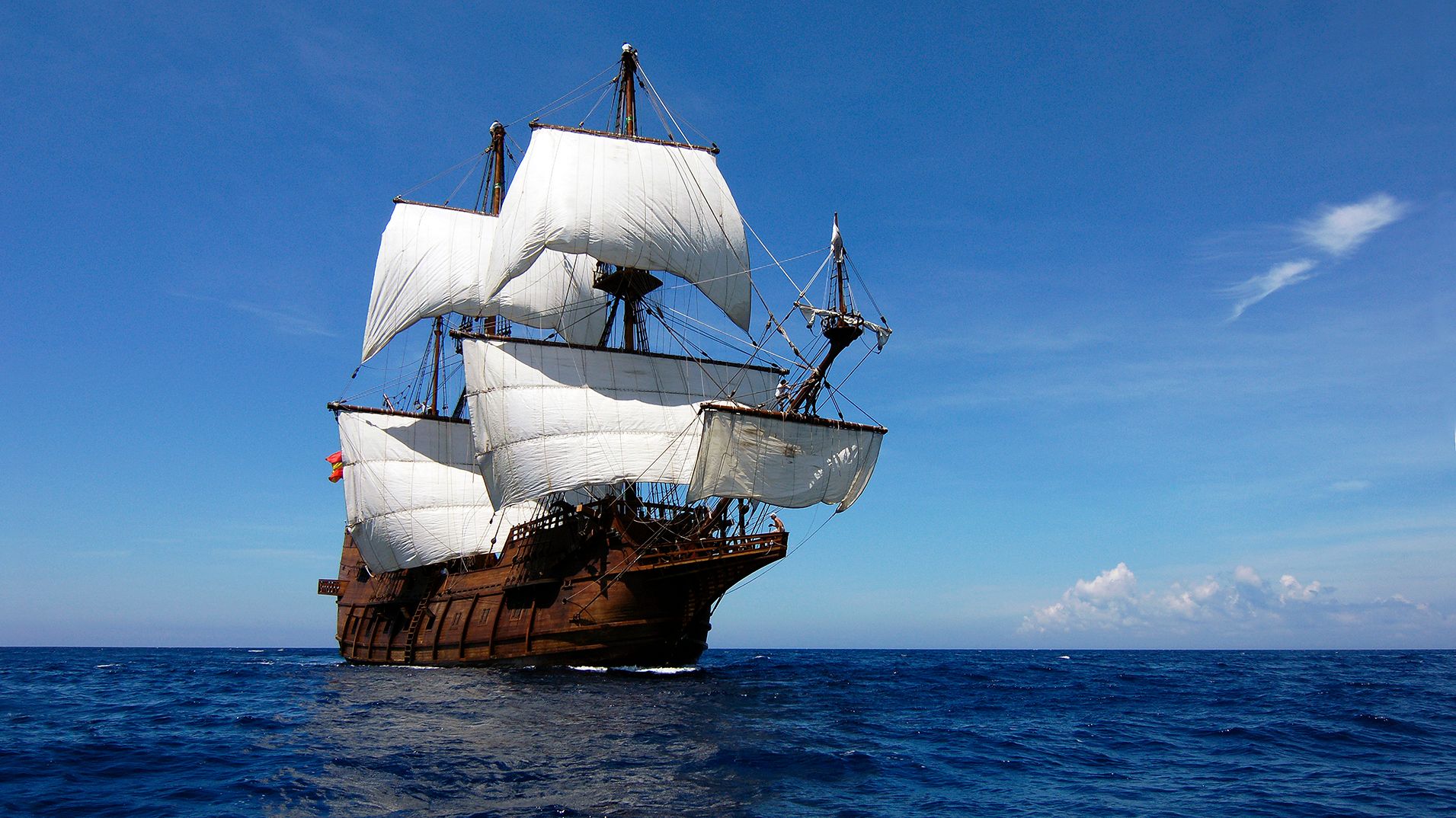
The Galeón Andalucía, a replica 17th-century galleon, docks in Ayr, offering visitors a glimpse into maritime history.
The waters at Ayr harbour are usually filled with commercial cargo ships and the occasional flutter of the Waverley paddle steamer. However, for the past two weeks, the scene has been graced by a different type of vessel—a stunning replica of a 17th-century Spanish galleon flying its national flag proudly.
The tall ship Galeón Andalucía, dubbed a floating museum by its crew, is set for departure from Ayrshire on Monday, embarking on its journey to Tobermory on the Isle of Mull as part of its European tour.
Constructed by the not-for-profit organisation Nao Victoria Foundation in 2009, the 55-meter-long vessel is manned by cadets from the Spanish navy. Historically, ships like the Andalucía were crucial in establishing trade routes between Spain, the Philippines, and America, serving primarily as merchant vessels. Yet, the presence of cannons on the replica serves as a reminder of their defensive capabilities.
These cannons have drawn the attention of visitors, with many children excitedly posing for photographs alongside them, and some adults joining in the fun. For crew member Eze Thomas, a 21-year-old marine engineer who has been with the ship for five months, the galleon has a deeper purpose—bringing history to life.
“Not many people have been on a ship, especially one like this,” Thomas shares. “Children love it; they’re always eager to see the artillery deck. It’s really important, especially in Spain. It represents real history and culture, and aboard, you can truly see how sailors lived.”
Thomas points out that the vessel also serves a practical role, providing valuable sea experience. “You get to see exactly how an old merchant ship functioned, but for us, it’s also experience. I’m a marine engineer, and it’s vital for us to log sea days. In Spain, we require at least nine months out at sea as cadets.”
While the ship offers genuine historical insights, some aspects of daily life aboard have been modernised for comfort. The sleeping quarters are revamped, eliminating the need to sleep in hammocks, while the galley features updated cooking facilities. Nevertheless, much of the ship has been built to resemble its historic counterparts.
“These ships journeyed along spice routes, and their holds were spacious enough to carry spices, gold, and silver,” Thomas explains. “They were smaller and more agile than warships, so the cannons would only be employed for self-defence.”
The vessel includes detailed recreations of the admiral’s quarters, authentic nautical instruments, and informative plaques providing historical context.
The construction of the galleon was an extensive process, taking four years and ten months, with 16 months solely dedicated to building it.
The response from the public has been positive, with steady crowds visiting the ship during its stay in Ayr. Earlier this year, it also made a stop in Oban and is scheduled to arrive in Tobermory on August 26.
However, navigating maritime logistics can come with challenges. During its time in Ayr, the ship had to temporarily vacate its berth for one day to allow the Waverley, the world’s last sea-going paddle steamer, access to the South Harbour.
Keep in touch with our news & offers
Subscribe to Our Newsletter
Thank you for subscribing to the newsletter.
Oops. Something went wrong. Please try again later.