Reform UK plans to support apprenticeships with taxpayer rebates for businesses, sparking debate on university degrees and vocational paths.
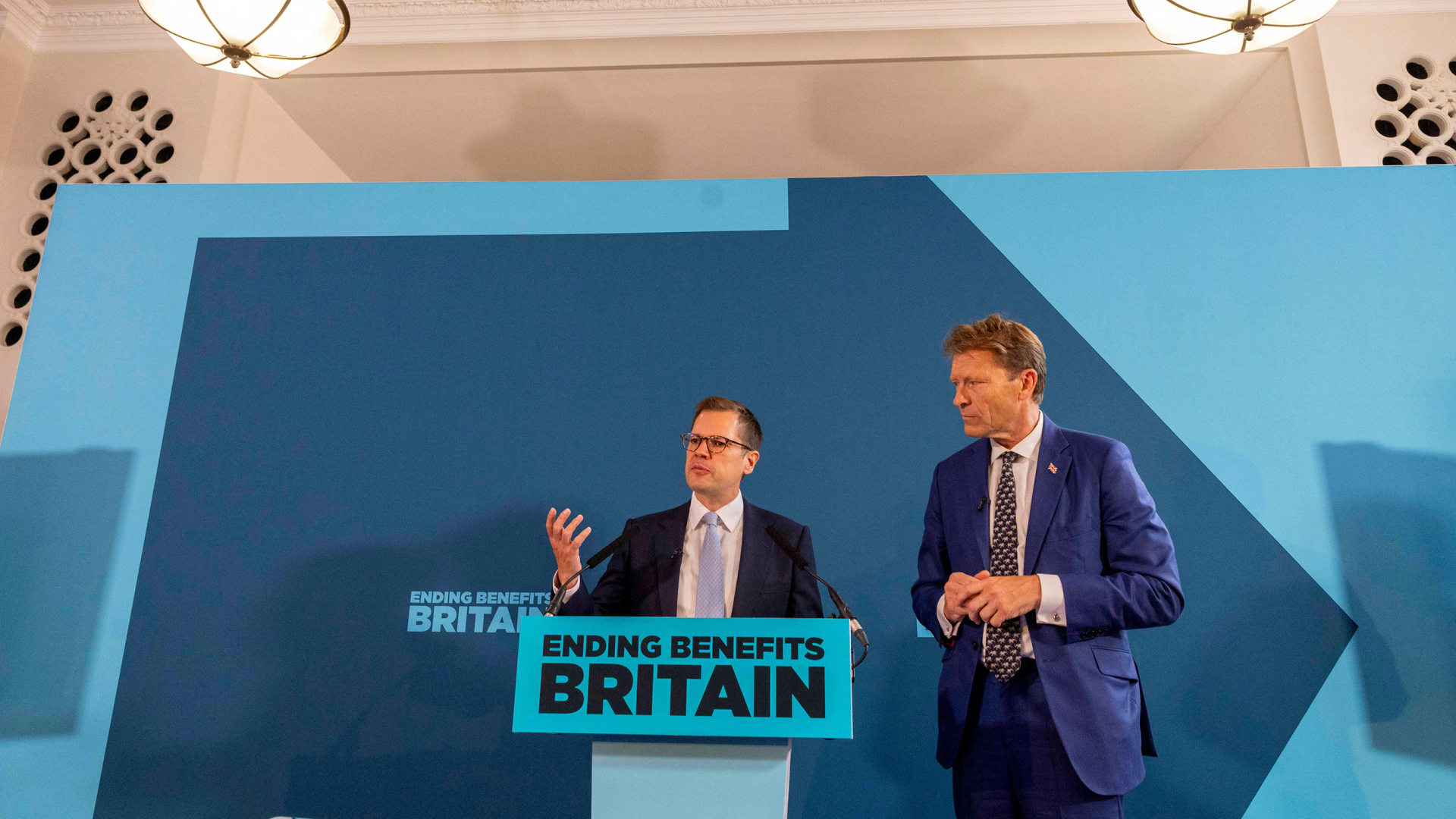
Reform UK plans to support apprenticeships with taxpayer rebates for businesses, sparking debate on university degrees and vocational paths.
Reform UK has put forward a proposal to subsidize young apprentices, suggesting that a portion of their wages should be financed by taxpayers. This initiative targets delivering what the party describes as a “skills revolution” within the country.
The education spokeswoman for Reform UK, Suella Braverman, announced that a potential government led by her party would introduce an “apprenticeship wage credit.” This scheme promises small and medium-sized businesses a 30% tax rebate on the wages paid to apprentices aged between 16 and 18. Braverman also advised GCSE students not to be misled by what she calls the “great university scam” and encouraged them instead to consider trade apprenticeships.
Prime Minister Andy Burnham has expressed aspirations for teenagers to have alternate technical career paths that could compete with traditional university degrees. Currently, the government is making strides to engage more young individuals in the workforce, including offering some parents on welfare as much as £4,500 annually to motivate their children to begin apprenticeships.
Former minister Alan Milburn has been assigned to investigate why a significant number of young people are neither in employment, education, nor training (NEETs). Reform UK claims that its announcement marks the beginning of a series of proposals with the goal of reaching 600,000 apprenticeship starts per year by the end of the forthcoming Parliament, likely in 2034.
Funding for these initiatives would stem from the proposed ban on foreign students accessing taxpayer-funded loans, along with the elimination of what the party refers to as “Mickey Mouse degrees.” The reform plan also includes a £2,000 tax-free retention bonus for those apprentices who remain loyal to the businesses that trained them for a minimum of two years after completing their apprenticeships. The total cost of this policy is estimated to be between £1.48 billion and £2 billion over five years.
Braverman articulated concerns about the increasing number of graduates whose qualifications do not align with the skills required in the UK. She advocated for trade learning over traditional academic pursuits, asserting that it would be a more pragmatic use of students’ time.
Highlighting the benefits of their proposed wage credit, Braverman noted that businesses could save an average of £4,000 each year per apprentice. Her assertions were met with questions regarding whether implementing such policies would necessitate the closure of some universities. While she did not foresee such outcomes, she proposed that universities should adapt, transforming into colleges focused on construction and manufacturing.
When pressed for examples of “Mickey Mouse degrees,” Braverman cited areas such as “gender studies” and “golf course studies,” stating there is a lack of necessity or value in many of these fields. This stance has previously drawn criticism from the British and International Golf Greenkeepers Association (BIGGA), which asserted that golf course management is a thriving field currently facing a shortage of qualified applicants.
A spokesperson for the Labour Party emphasized that every young individual deserves access to a clear pathway toward a successful career, whether through properly funded apprenticeships, high-quality technical education, or university. They highlighted that the current Labour government is already creating 500,000 new employment opportunities, including apprenticeships and training, aimed at helping young people either earn or learn.
On a similar front, Conservative shadow education secretary, Laura Trott, pointed out the demand for apprenticeships and indicated that the Labour government is not doing enough to enhance this supply. She noted, “Our New Deal for Young People would eliminate degrees deemed dead-end that do not lead to jobs and instead focus on investing in apprenticeships to provide more choices to school leavers.”
From the Liberal Democrats, spokesperson Ian Sollom raised concerns regarding the need to protect local colleges and universities alongside boosting apprenticeships. He described Reform’s proposals as “dangerous economic vandalism,” which could create a significant gap in the UK’s university sector.
Green Party MP Hannah Spencer, a former plumber, criticized Reform’s approach, arguing that it divides people unnecessarily. She emphasized that those who have benefited from apprenticeships still recognize the value of degrees, supporting diverse educational pathways for all.
The discussion surrounding apprenticeships takes center stage on GCSE results day, with local businesses like a Warwick firm urging students to consider apprenticeship options in light of rising university costs. Appreciation for degree apprenticeships has surged as scrutiny over university expenses continues.
Success stories from Hull highlight the pathway to degree success for apprentices, with some achieving first-class honors.
Keep in touch with our news & offers
Subscribe to Our Newsletter
Thank you for subscribing to the newsletter.
Oops. Something went wrong. Please try again later.