A plane crash in Beijing’s CITIC Tower killed the pilot and injured 13 others. Authorities remain tight-lipped about details.
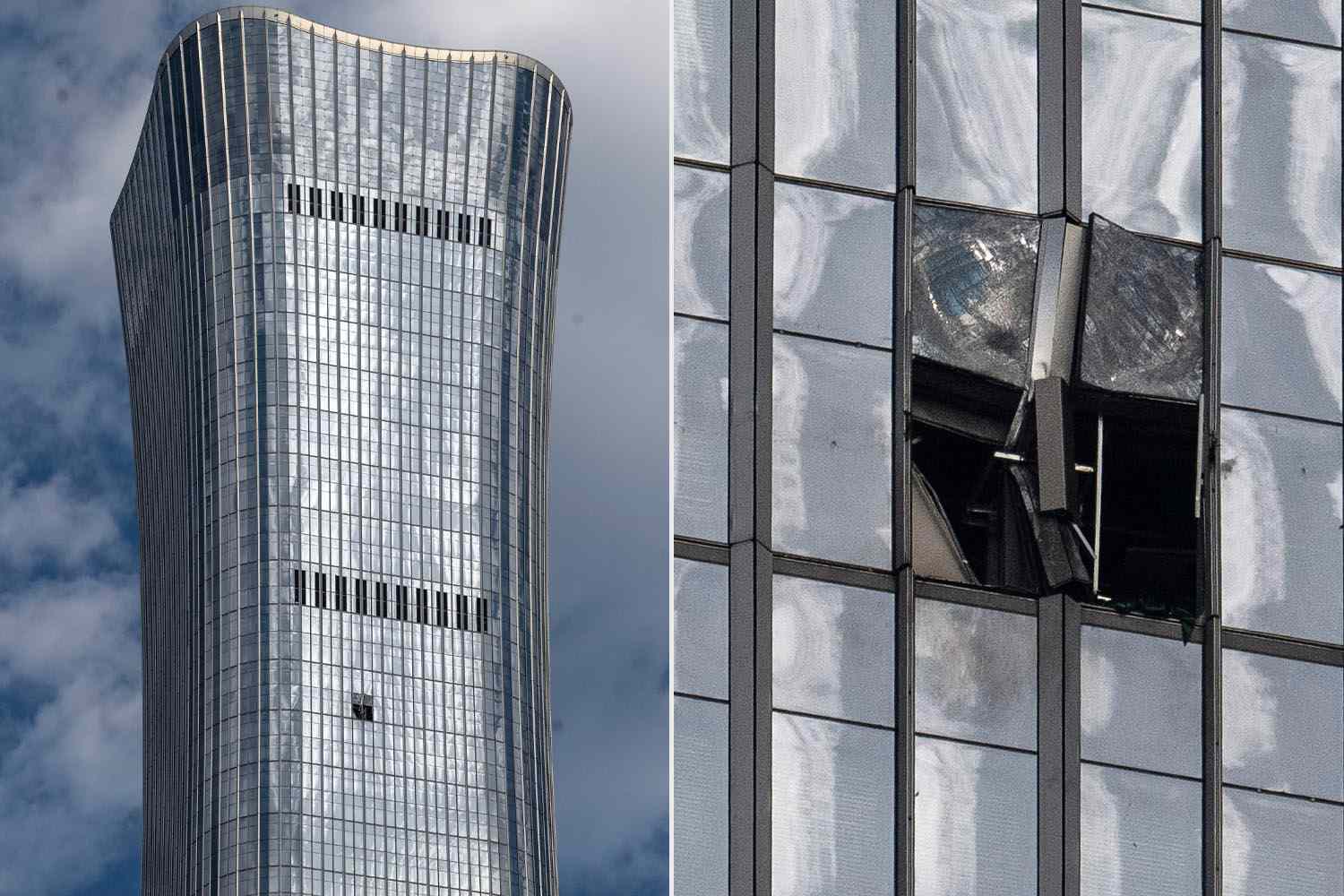
A small plane crashed into Beijing’s tallest skyscraper on Friday, resulting in the death of the pilot, the sole occupant of the aircraft, and injuring 13 others. The incident has sparked widespread speculation and concern, exacerbated by the lack of information from Chinese authorities regarding the crash.
The mishap occurred near Zhongnanhai, the Communist Party’s headquarters, and has left visible damage to the 109-storey CITIC Tower, with holes now boarded up. Beijing Daily published a brief report outlining the basic facts, but more comprehensive details have not been forthcoming.
In the wake of the crash, various aviation firms reported that they had been ordered to suspend light aircraft operations, though they refrained from providing further commentary, complying with directives to maintain silence on the issue.
The secrecy surrounding the incident has led to rising public speculation about the aircraft’s flight path and the effectiveness of the rigorous airspace controls within the city. Notably, China has a permanent no-fly zone encompassing a ring around its political center, which has come under scrutiny as questions arise regarding how the plane was able to breach such a secure area.
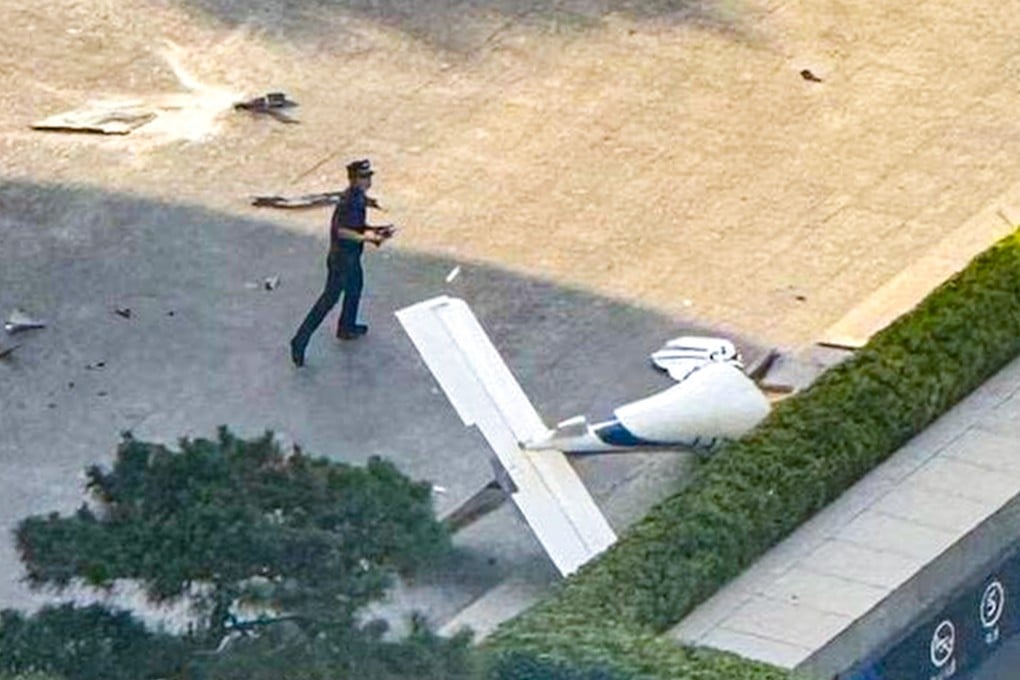
This incident, described by experts as a ‘massive security breach’, raises significant concerns about government oversight and competence. Observers point out that a mere few more seconds of flight time could have resulted in a far more disastrous event had the plane crashed into the Zhongnanhai compound.
Meanwhile, photographs and videos of the crash have been systematically erased from Chinese social media, adding to the atmosphere of censorship that pervades discussions critical of the state. Experts have noted the length to which the government is willing to go to manage its image, asserting that the incident threatens established narratives about safety and security.
In an alarming comparison, some users on social media have likened the incident to the September 11 attacks in the United States, calling attention to the similarity of the sudden shock of the news. One user noted that the alert they received felt eerily reminiscent of those alerts from 2001.
China’s aviation regulations have just been tightened with new rules now mandating the registration of drones before they can enter or exit the city, pointing to the heightened security concerns following this incident. Experts suggest that officials could face significant repercussions for their roles in this critical failure.
The crash involved an Aurora SA60L, a two-seat, single-engine aircraft manufactured by the Chinese company Sunward Aircraft. Designed for recreational purposes, the aircraft’s relatively small size raises additional questions about how it could traverse so much of the city without being intercepted.
As investigations continue, the implications of this crash extend beyond immediate safety concerns and into the realm of governmental accountability. Authorities have maintained a tight-lipped approach about developments, leaving the public and analysts to grapple with the unanswered questions surrounding this unusual and alarming incident.