The Panama Canal will reduce ship passage due to El Niño-induced drought, impacting global trade and potential further restrictions looming.
The Panama Canal will reduce ship passage due to El Niño-induced drought, impacting global trade and potential further restrictions looming.
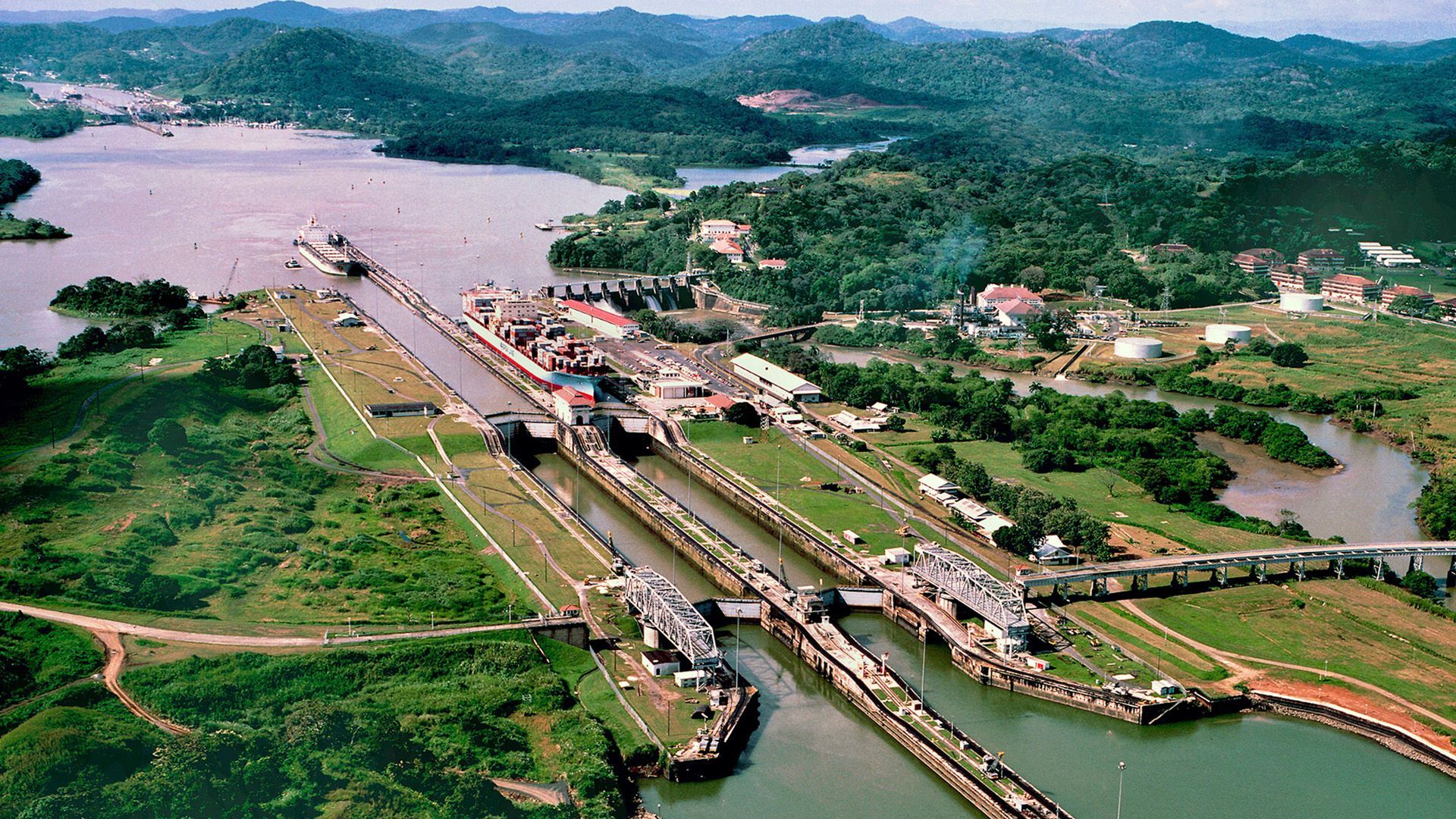
The Panama Canal is set to implement reductions in the number of vessels allowed to transit through it beginning September 3, due to a severe drought exacerbated by the El Niño phenomenon, which has significantly affected Central America.
From the start of the month, the daily ship allowance will decrease from 36 to 34, and by September 15, it will further drop to 32. The Panama Canal Authority has noted that the region is experiencing reduced rainfall—34% below its historical average from May to August—prompting these restrictions aimed at bolstering the waterway’s long-term sustainability.
This crucial route handles 5% of global maritime trade and approximately 40% of US container traffic, making its operation vital for shippers seeking to minimize costs and transit times, particularly for large retailers and energy companies moving goods between China and the US.
The authority has already implemented various water conservation measures, including lowering the maximum draft for the largest ships, in response to decreasing water levels in the lakes that feed the canal. In 2023, water levels had dropped so drastically that daily transit was cut from 38 to just 22 vessels. This situation led to significant bottlenecks, with ships waiting for their turn to get through the canal.
As restrictions come into effect, the waiting times for ships without reservations are expected to increase. Currently, around 90% of ships passing through the canal do so with reservations, while the remaining slots are auctioned off to the highest bidder. This year, the highest winning bid surged to an extraordinary $4 million, reflecting heightened demand amid these operational challenges.
The canal operators, who are closely monitoring rainfall forecasts, have left the door open for further restrictions depending on weather developments. The centrality of water in Panama has also raised concerns as the lakes not only feed the canal but also supply clean water to half of Panama’s population of 4.2 million.
El Niño events typically recur every two to seven years, and the current occurrence is projected to be among the strongest on record. In a related move, Honduras has declared a drought alert for 80% of its territory, indicating widespread impact across Central America.
Keep in touch with our news & offers
Subscribe to Our Newsletter
Thank you for subscribing to the newsletter.
Oops. Something went wrong. Please try again later.