Discover how Nintendo’s decision to betray Sony changed the video game industry forever, giving rise to the iconic PlayStation.
Discover how Nintendo’s decision to betray Sony changed the video game industry forever, giving rise to the iconic PlayStation.
The business world can be cutthroat, a reality often seen in industries shaped by politics, backstabbing, and deception. The video game realm, while often perceived as an entertaining arena, is no exception. During the late 1980s and into the 1990s, Nintendo reigned supreme in home gaming consoles, significantly revitalizing the industry with the launch of the Nintendo Entertainment System (NES). While Sega’s Master System provided a viable alternative, it could not quite match the NES’s extensive library of quality titles.
As technology evolved, so did the expectations for faster and higher-resolution gaming hardware. Spotting this trend, Nintendo aimed to enhance its console series with the introduction of CD-ROM technology. In the early 1990s, the potential of CD-ROMs shone brightly – they could hold more data, were economical to produce, and could incorporate music and full-motion video. Recognizing this opportunity, Nintendo approached Sony to collaborate on a new console that could play both SNES cartridges and utilize the new CD format.
Initially, both parties expressed enthusiasm over the partnership. However, tension arose when Sony proposed a contract that granted them substantial control over game licensing, software publishing, and royalties. Nintendo, known for its strict control over its business operations, found these terms unpalatable. In a swift maneuver, without communicating with Sony, Nintendo sought an agreement with Philips instead.
This led to one of the most significant betrayals in gaming history. At the 1991 Consumer Electronics Show, Sony prepared to unveil their collaboration with Nintendo, the Nintendo PlayStation, during a press conference. As global eyes turned to them, Nintendo shocked everyone by announcing its decision to partner with Philips instead, leaving Sony blindsided. The event marked a turning point, casting a cloud of embarrassment over Sony executives.
Despite the fallout, Sony resolved to not retreat from the console market. Instead, they focused on developing their own gaming console. A few years later, leveraging the full potential of CD technology, Sony launched the PlayStation in Japan in 1994, followed by an international debut in 1995. This new console emphasis was on 3D graphics, authentic audio, developer-friendly tools, and cost-effective production.
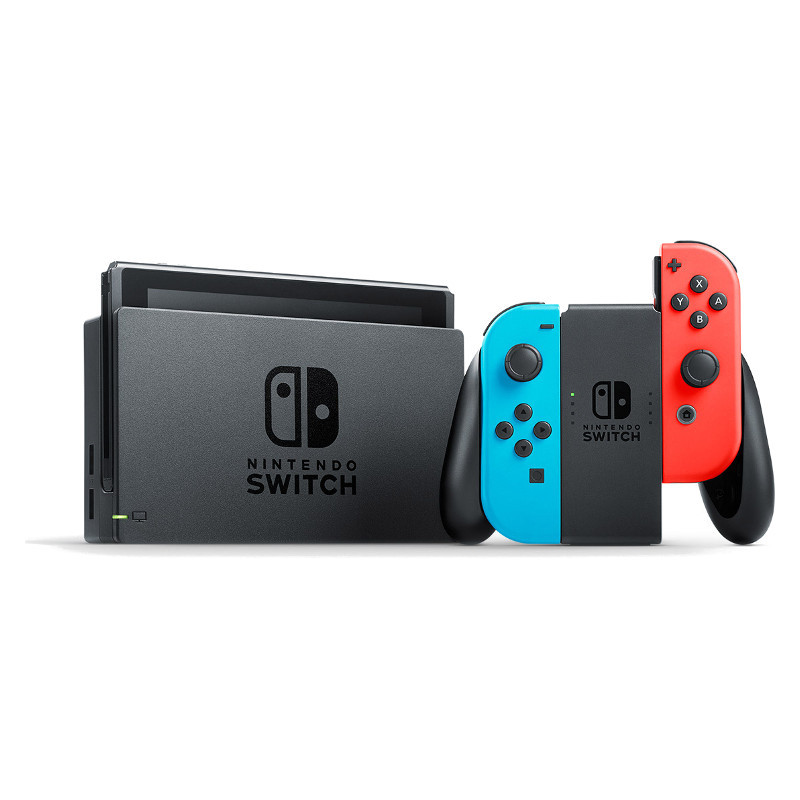
Meanwhile, Nintendo stuck to its cartridge format for the N64, a decision that would prove detrimental. While the N64 provided some advantages, it ultimately fell behind due to higher costs and limited storage capacity. The PlayStation’s success was undeniable; it sold 102 million units compared to the N64’s 33 million, cementing its place as a leader in gaming technology for years to come. Though both companies remain successful, the PlayStation series, including its latest iteration, the PS5, has outstripped Nintendo’s offerings until the arrival of the Nintendo Switch.
Keep in touch with our news & offers
Subscribe to Our Newsletter
Thank you for subscribing to the newsletter.
Oops. Something went wrong. Please try again later.