Netflix enters the short-video space, competing with YouTube by adding clips from various publishers to enhance viewer engagement.
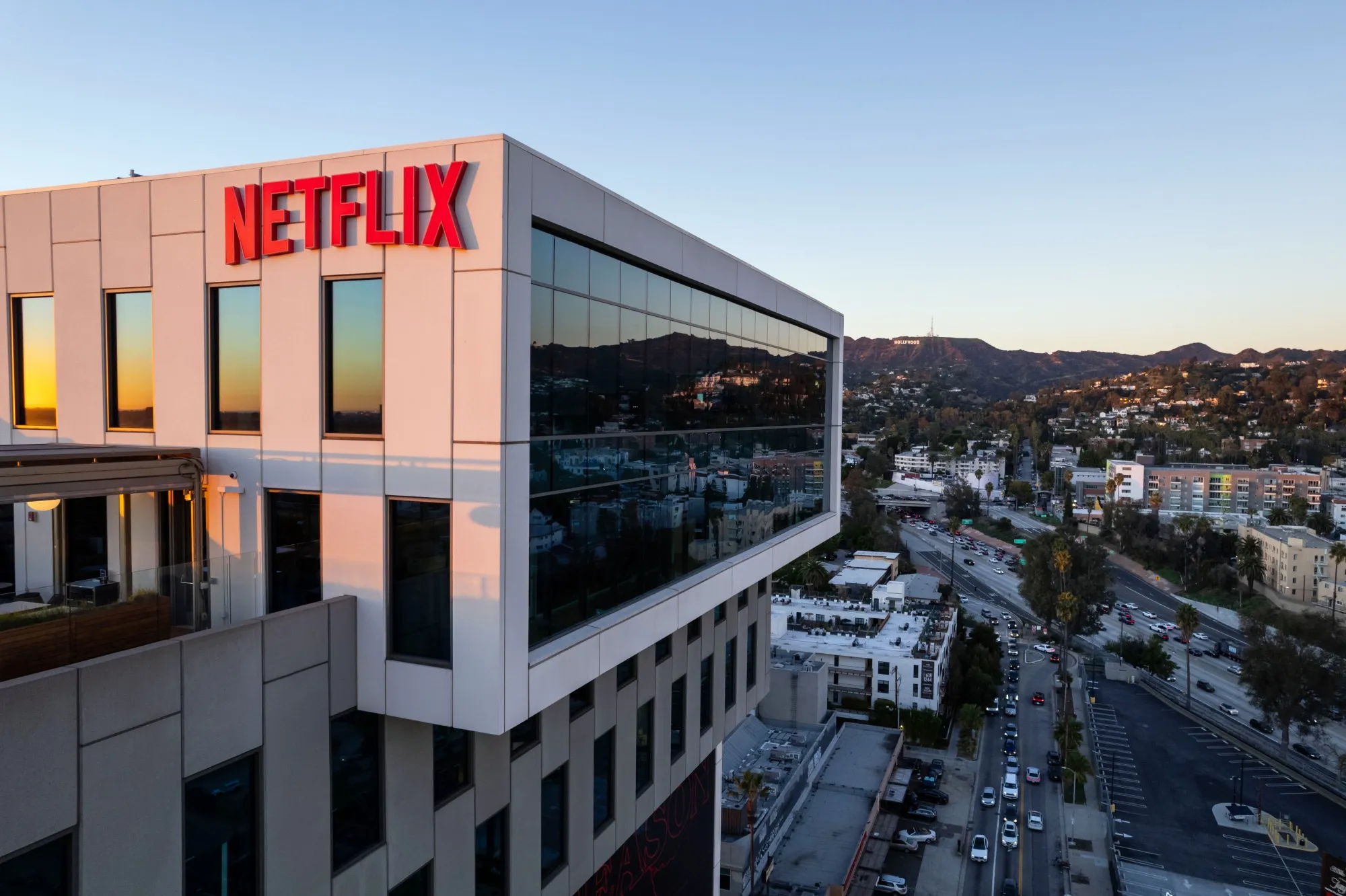
Netflix enters the short-video space, competing with YouTube by adding clips from various publishers to enhance viewer engagement.
Netflix is leaning into snack-sized content as it seeks to claw viewing time from YouTube. The streaming service’s new licensing deals, described as being “straight out of the YouTube handbook” by Brandon Katz, the insights director at entertainment research firm Greenlight Analytics, signal a strategic shift for the platform.
“It’s another attempt to court low-cost engagement with lean-back pop culture programming,” Katz remarked, adding that Netflix aims to become a more habitual source of entertainment without incurring the high costs associated with original programming.
In recent months, other streaming platforms have also embraced short-form clips, aiming to drive higher engagement and encourage users to access their apps throughout the day, rather than just during prime time. John Derderian, the VP of Animation Series and Kids & Family TV, stated, “These partnerships help us deepen fandom and create more ways for members to carry those stories with them throughout their day.”
Short-form video isn’t entirely new territory for Netflix. The platform first ventured into vertical clips in 2021 with a feature called “Fast Laughs,” which showcased snippets from comedy shows, though it was discontinued soon after. Nonetheless, the company reintroduced short-form video earlier this year, while also offering videos under four minutes long as part of its “WWE Legend Profiles” series.
To speed up its incorporation of YouTube content, Netflix is providing publishers with more flexible licensing terms. Two sources who have directly engaged with the streamer recently indicated that during its initial podcast push in 2025, Netflix required podcasters to remove their video shows from YouTube, a demand that posed challenges for creators with established followings on the platform. Although Netflix struck early deals with creators like Ms. Rachel, those deals did not insist on leaving YouTube.
Currently, Netflix is in discussions about licensing shows and podcasts without demanding that these creators abandon their YouTube presence, marking a notable pivot in its strategy. “It’s a real change,” remarked one individual familiar with the negotiations.
However, podcasters and creators face a dilemma: whether the potential benefits of appearing on Netflix will outweigh the risk of cannibalizing their YouTube audiences and if the licensing fees offered will compensate for any potential losses they might incur.
Keep in touch with our news & offers
Subscribe to Our Newsletter
Thank you for subscribing to the newsletter.
Oops. Something went wrong. Please try again later.