Iran has reached an agreement with Oman regarding a shipping route through the Strait of Hormuz, although security concerns with the US remain.
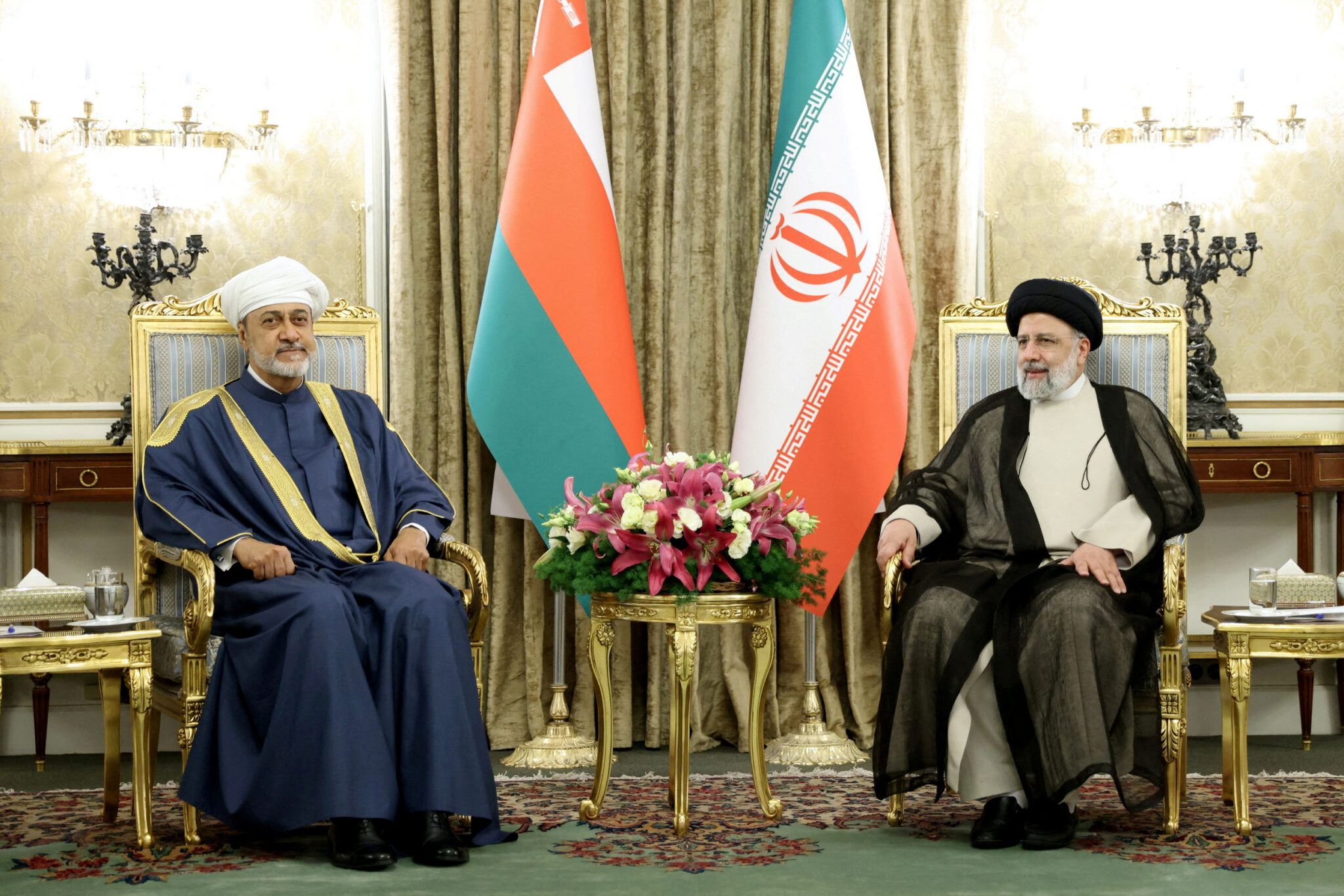
Iran has reached an agreement with Oman regarding a shipping route through the Strait of Hormuz, although security concerns with the US remain.
Iran has announced an agreement with Oman concerning a shipping route through the strategic Strait of Hormuz. The foreign ministry spokesman, Esmaeil Baqaei, revealed that the deal is currently in its final stages, though he did not provide specific details regarding the arrangement.
Baqaei cautioned that the agreement would not ensure safe navigation in the strait, emphasizing that security remains vulnerable due to ongoing US blockades affecting Iran’s ports. Neither the US nor Oman has commented on the proposed route as of now.
The geopolitical tension has escalated since the US and Israel initiated attacks against Iran in February, which led Tehran to effectively block the Strait of Hormuz—a vital passageway through which approximately 20% of the world’s oil and liquefied natural gas typically flows.
In a stark warning, US President Donald Trump indicated that Iran would face severe repercussions if the strait did not reopen soon. His statement followed reports from senior US officials suggesting that discussions aimed at resuming shipments could potentially advance within the week. However, Iran has maintained a firm stance, asserting that it is not in negotiations with the US.
Reopening the strait has become a central topic in ongoing discussions between Tehran and Washington, mediated by various parties. Baqaei disclosed that “the geographical coordinates of the route” have been settled with Oman but reiterated that other factors making the strait unsafe still persist, largely attributed to US actions.
Iran’s Deputy Foreign Minister, Kazem Gharibabadi, described the new shipping route as temporary, potentially remaining open for two to four months, although further specifics were not disclosed.
Market reactions were evident, with global benchmark Brent crude prices slightly declining by 0.3% to $79.24 during early Asian trading. Fluctuations in energy prices have become commonplace in light of the disruptions affecting shipments via this critical maritime corridor.
Traffic through the Strait of Hormuz has significantly diminished since the onset of hostilities. Iran has taken a firm stance on ensuring that all vessels must secure clearance before crossing, with reports of attacks against those who have defied these orders.
A contentious issue between Tehran and Washington involves Iran’s proposal to impose fees on ships crossing the strait. According to a senior Iranian official, the fees would range from 5% to 7% of the cargo prices, while Oman is suggesting a lower fee of around 3%. The US has advocated for no fees to be imposed at all.
Additionally, the proposed agreement would grant Iran control over the vessels entering the Gulf through the Strait of Hormuz.
Despite the escalating tensions, communication with Iran’s leadership has faced challenges. In June, both Iran and the US signed a Memorandum of Understanding aimed at facilitating peace and reopening the strait; however, that agreement quickly unraveled amid renewed hostilities.
The situation remains volatile as Iran continues to assert its demands while grappling with the implications of US influence in the region.
Keep in touch with our news & offers
Subscribe to Our Newsletter
Thank you for subscribing to the newsletter.
Oops. Something went wrong. Please try again later.