Gianni Infantino faces criticism over FIFA’s handling of Folarin Balogun’s suspension amidst claims of political interference from the White House.
Gianni Infantino faces criticism over FIFA’s handling of Folarin Balogun’s suspension amidst claims of political interference from the White House.
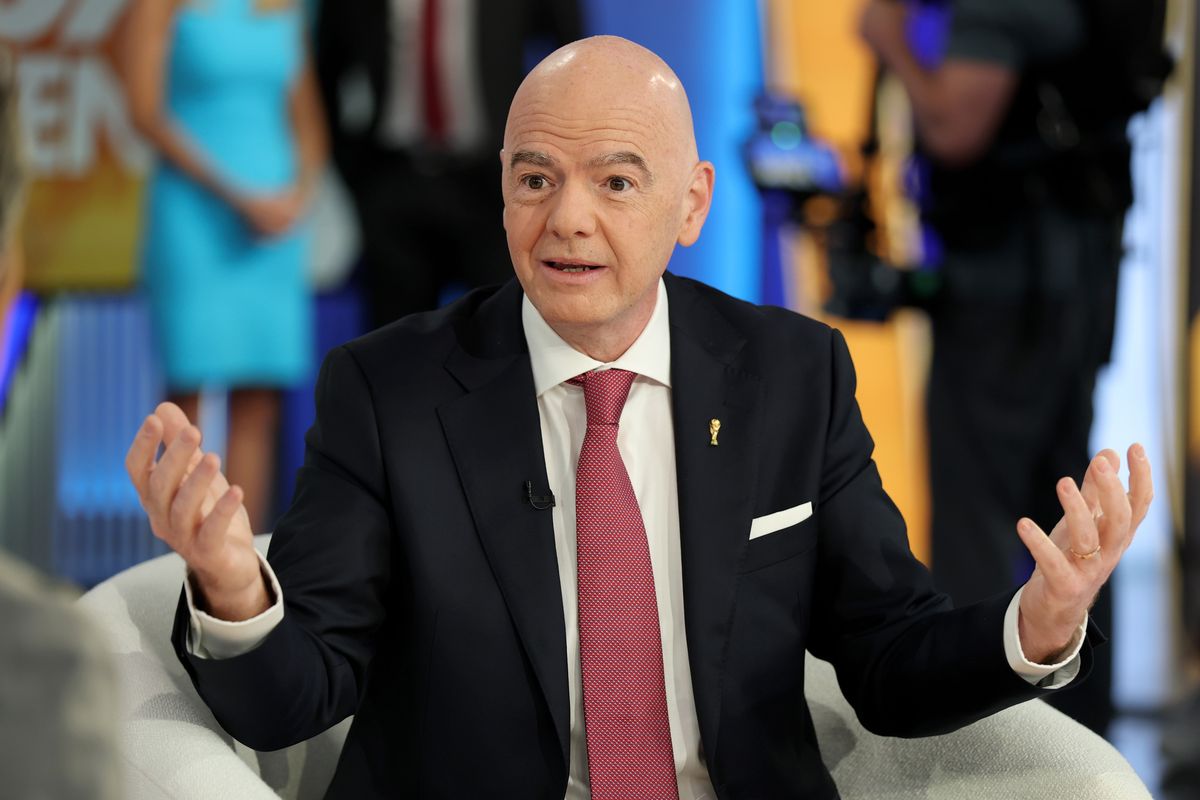
FIFA president Gianni Infantino has stepped into the spotlight defending the decision that allowed Folarin Balogun’s one-game ban to be suspended after a call from United States President Donald Trump aimed at influencing the outcome. This incident has sparked concerns of political interference, particularly with the World Cup set to continue in the United States.
The case centers around Balogun’s eligibility to play for the US Men’s National Team in their crucial round-of-16 match against Belgium. Following a controversial red card issued to Balogun during the tournament, FIFA found itself in the midst of a heated debate over fairness and governance.
Trump confirmed his conversation with Infantino on Monday morning, passionatly advocating for a review of the suspension he deemed unjust. “All I did was ask for a review, because I didn’t think it was a foul,” Trump stated, expressing relief that FIFA made a decision that he believes rectified what he termed a “great injustice”.
Belgium had challenged Balogun’s eligibility, but FIFA’s appeal committee dismissed the claims. Amidst this backdrop, Infantino issued a public response, emphasizing FIFA’s commitment to an independent process. “I have seen the public comments regarding the decision of the independent FIFA Disciplinary Committee related to the suspension of Folarin Balogun,” Infantino said. He reiterated that FIFA’s judicial bodies operate autonomously to preserve the integrity of the sport.
Infantino’s defense also pointed to the necessity of respecting FIFA’s governance framework, drawing attention to the importance of maintaining the organization’s credibility in the eyes of the global football community. “Whether we personally like a decision or not is irrelevant,” he emphasized, stressing respect for independent institutions.
Contrasting with FIFA’s stance, UEFA, European football’s governing body, expressed intense disbelief regarding the decision not to enforce the original suspension. In a sharp statement, UEFA condemned the verdict as “unprecedented, incomprehensible and unjustifiable,” setting the stage for a potential friction between the organizations.
Mohammad Al Kamali, chairperson of FIFA’s disciplinary committee, refuted UEFA’s claims, defending the decision made. “Reviewing the legal consequences of red cards is nothing new in the modern game,” Al Kamali explained, underscoring that overturning red cards is standard practice in many top-tier leagues affiliated with UEFA.
As the dust settles, Infantino’s remarks have opened up a larger conversation regarding the balance between governance, influence, and the preservation of the game’s integrity, especially during a momentous event like the World Cup. FIFA’s commitment to an autonomous process reveals its ongoing struggles against outside pressures and internal debates on fairness in the sport.
Keep in touch with our news & offers
Subscribe to Our Newsletter
Thank you for subscribing to the newsletter.
Oops. Something went wrong. Please try again later.