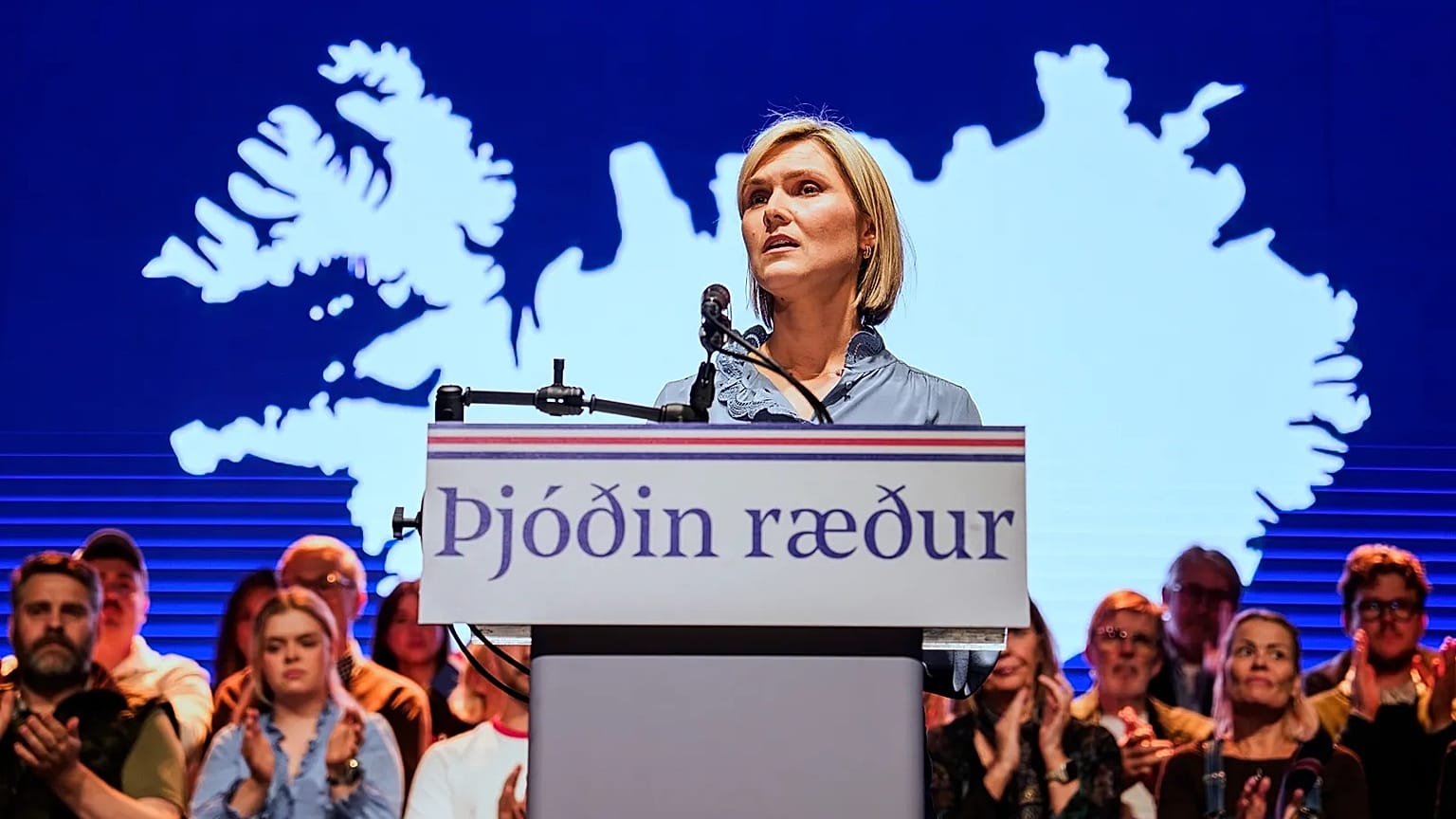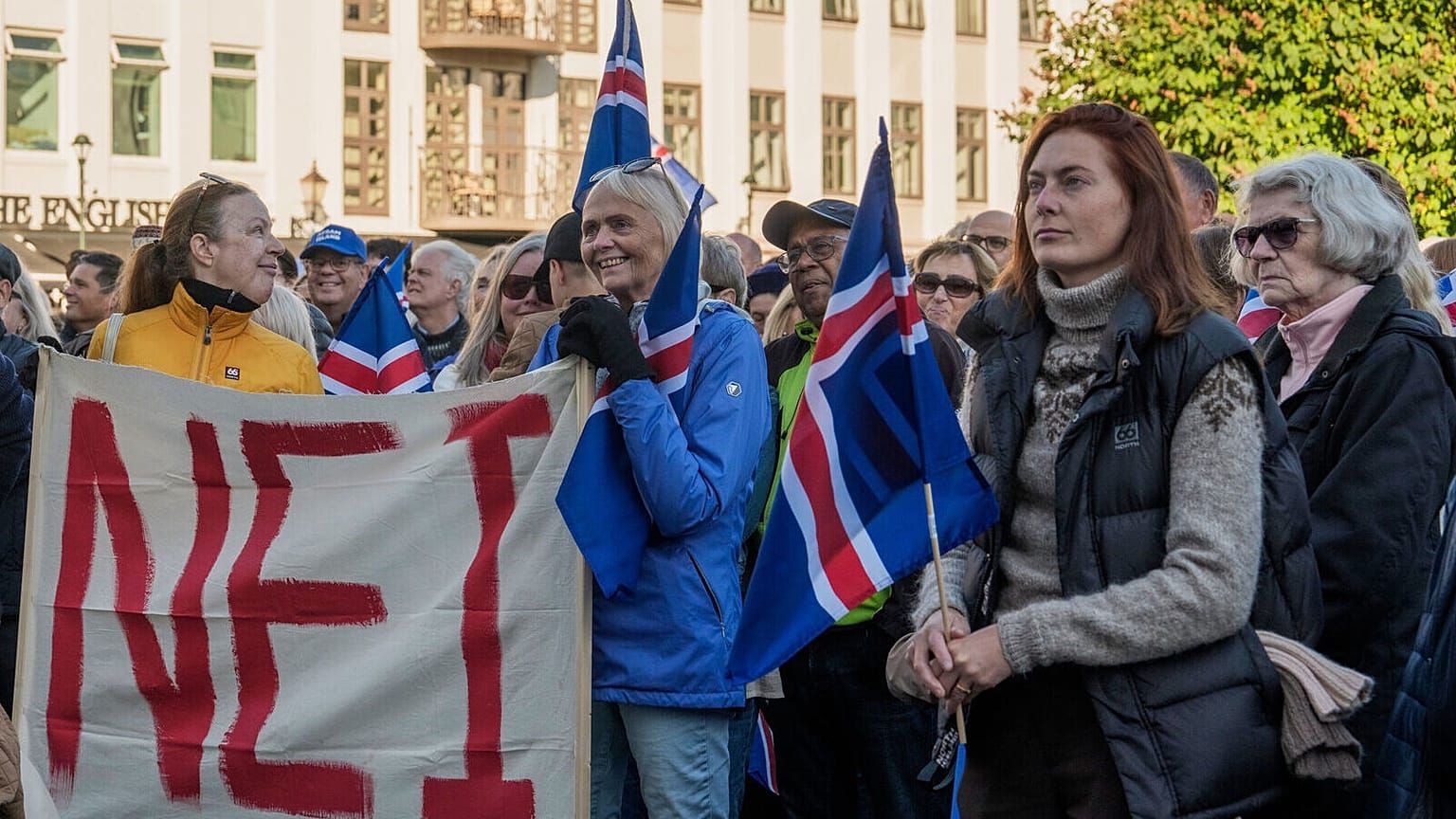
Icelanders voted to reject resuming talks to join the European Union, as domestic control over fishing emerged as a significant factor overriding geopolitical security concerns. Broadcaster RUV reported that 52.8% of voters turned down the government’s proposal to reopen EU membership negotiations, while 47.2% expressed support.
The question posed to the Nordic nation, home to nearly 400,000 residents, asked whether Iceland should restart accession negotiations with the European Union. A majority “yes” vote would have led to a negotiated agreement being put before the public in a second referendum for acceptance or rejection.
The debate gained importance in light of U.S. President Donald Trump’s recent remarks regarding geopolitical dynamics in the Arctic. However, the electorate ultimately prioritized the potential erosion of national identity and the preservation of control over their fishing industry.
Eiríkur Bergmann, a professor of politics at Bifröst University, noted that the “No” campaign resonated with fundamental views of Icelandic sovereignty: “The ‘No’ side succeeded because it tapped into the most fundamental driver of Icelandic national identity: the demand for absolute self-governance. This is inextricably linked to control over natural resources and fisheries, which forms the very heart of the Icelandic understanding of sovereignty.”
Marine products and farmed fish accounted for nearly 47% of Iceland’s exports from August 2025 to July 2026, according to Statistics Iceland. Despite this, production has halved from a peak of 2.2 million tons in 1997 to 1.1 million tons in 2024, as shown by World Bank data. In 1995, agriculture, forestry, and fishing comprised 9.1% of Iceland’s gross domestic product, but this figure dropped to 3.7% by 2025 as manufacturing and services became amplified.
Trump has long argued for the strategic importance of control over Greenland for national security reasons. He notably mixed up Greenland and Iceland during his address at the World Economic Forum in Davos, Switzerland earlier this year.
Iceland, a founding member of NATO, stands out as the only ally with no military forces. It occupies a strategic position in the so-called GIUK Gap, which serves as a naval choke point bridging Greenland, Iceland, and the U.K., linking the Arctic to the Atlantic.
In 2009, Iceland applied for EU membership following the global financial crisis, but negotiations were suspended by a euroskeptic government in 2013, and the process was formally halted in 2015. Despite not being a full member, Iceland is closely integrated into the European framework, benefiting from its membership in the European Economic Area that provides access to the EU’s single market.
It is also part of the Schengen Area, which facilitates passport-free travel with other European countries. Earlier this year, Iceland’s Foreign Minister Thorgerdur Gunnarsdottir emphasized the need for deeper dialogue with the EU to protect national interests, stating, “It is clear that the international system we have lived in since the end of World War II is in turmoil.”
The significance of the referendum lies in the fact that, despite the turbulent geopolitical environment, such concerns did not significantly influence public debate. Bergmann concluded that the “Yes” side faltered as their campaign lacked passion and appeared too technical to engage voters effectively.