The ICC announces a breakthrough in its investigation into war crimes in Darfur, linking RSF leaders to recent atrocities, as violence continues.
The ICC announces a breakthrough in its investigation into war crimes in Darfur, linking RSF leaders to recent atrocities, as violence continues.
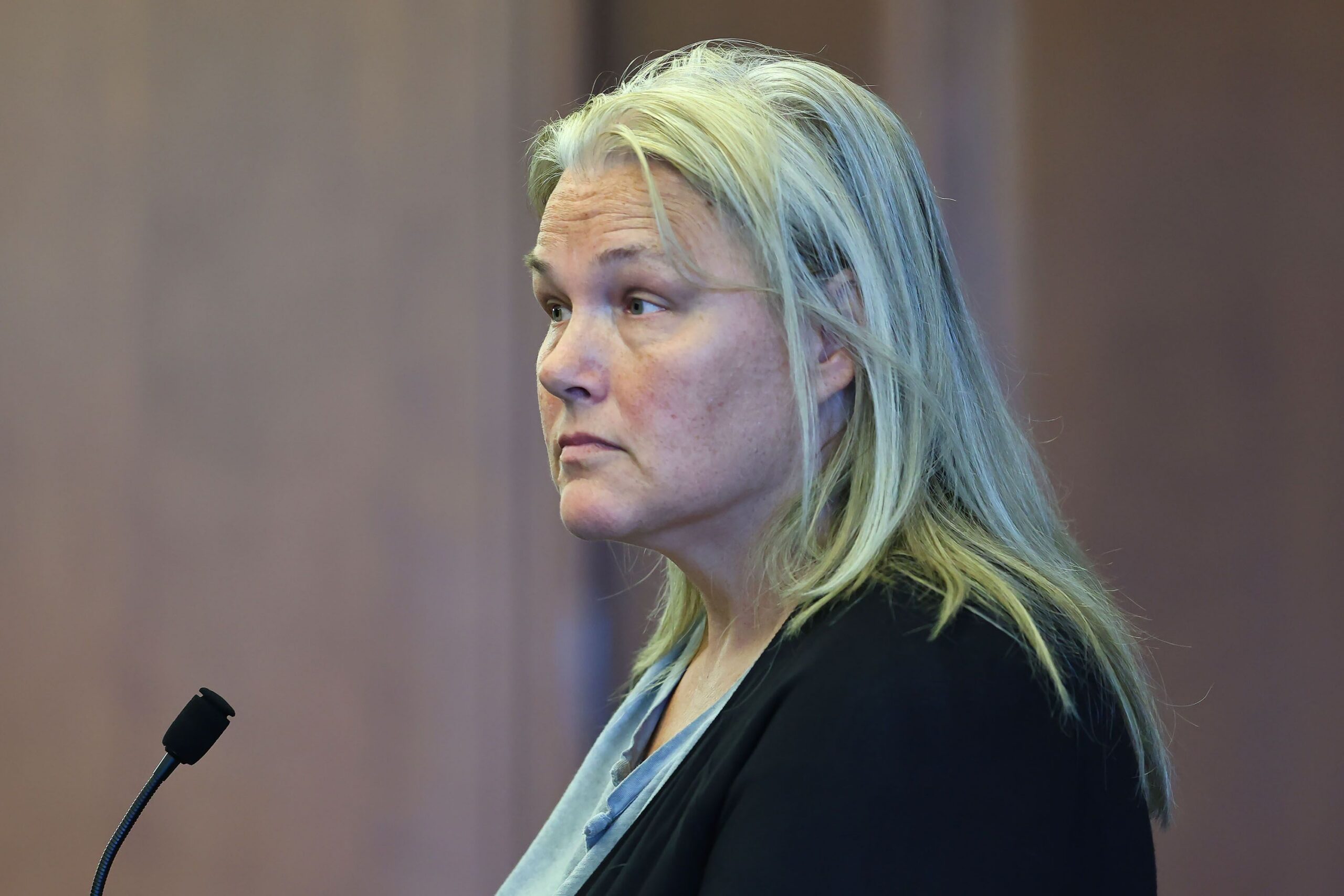
The International Criminal Court (ICC) has reported significant advancements in its investigations pertaining to war crimes in Sudan, particularly in the region of Darfur. The ICC’s deputy chief prosecutor, Nazhat Shameem Khan, revealed that the court has gathered “concrete evidence” linking leaders of the paramilitary Rapid Support Forces (RSF) to recent atrocities committed against civilians.
Khan stated that there has been a “breakthrough” in the investigation, which focuses on the massacres that occurred in el-Fasher and el-Geneina. “It may take time for justice to develop, to be brought to the court, but we will get there,” she emphasized, noting that RSF leaders have connections to crimes against humanity.
The siege and takeover of el-Fasher marked one of the most tragic episodes in the ongoing conflict between the RSF and Sudan’s army, resulting in over 6,000 deaths, according to the United Nations. Similarly, the RSF stands accused of a massacre in el-Geneina. Meanwhile, the RSF consistently denies allegations of widespread killings throughout Darfur.
A recent report from a UN fact-finding mission discovered widespread atrocities in Sudan’s conflict, implicating both the army and the RSF. The report indicated that RSF fighters were primarily responsible for systematic attacks on civilians, targeting specific ethnic groups in what may constitute war crimes and crimes against humanity.
The report described harrowing accounts, including sexual violence perpetrated against civilians during the RSF’s seizure of el-Fasher last year. These crimes have been characterized as efforts to terrorize communities and disrupt their safety.
Speaking to the BBC, Khan provided insight into the ICC’s investigation, which encompasses witness accounts, testimonials, and corroborative evidence such as videos and photographs. Despite the positive progress, she could not project a timeline for potential charges against responsible parties in the ongoing war that erupted in April 2023.
“We cannot say how quickly or how long it’s going to take,” she remarked, but noted that the advancements made are significant.
The ICC operates from The Hague and has the jurisdiction to prosecute genocide, war crimes, and crimes against humanity. Khan’s statements come on the heels of her visit to refugee camps in eastern Chad, where victims of the ongoing violence recounted their experiences.
The UN has expressed grave concerns regarding the situation in el-Obeid, which might face similar atrocities to those seen in el-Fasher. Recently, the Human Rights Council ordered an urgent investigation to probe the alleged crimes during the conflict.
As the ICC continues to investigate war crimes in Darfur—a matter that has persisted for over 20 years—the organization highlights patterns of wrongdoing that emerge reminiscent of previous violence from the 2000s.
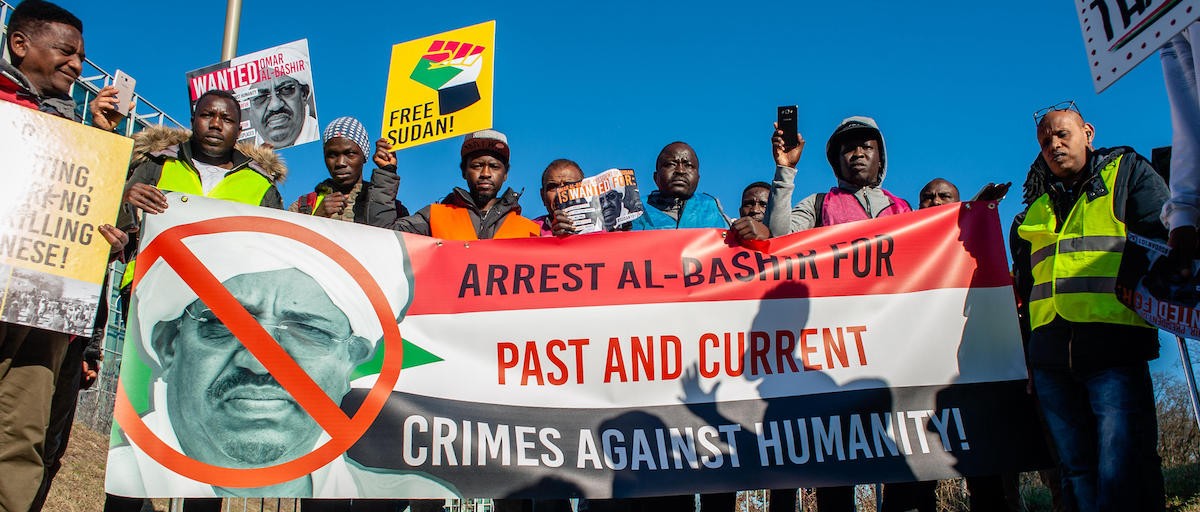
Notably, past ICC investigations have led to seven arrests, including that of Sudan’s former president, Omar al-Bashir, who remains at large. The ICC’s work continues to draw attention to the ongoing struggle for justice in the region and the relentless fight against impunity.
Amid escalating violence, the UN’s Human Rights chief cautioned that the plight of civilians caught in conflict continues to grow dire, underscoring the urgent need for accountability and action.
Keep in touch with our news & offers
Subscribe to Our Newsletter
Thank you for subscribing to the newsletter.
Oops. Something went wrong. Please try again later.